
Scientists at Washington State University (WSU) are set to conduct a six-year study to investigate the effects of biochar and hemp on the growth and health of key crops such as wheat, corn, and chickpeas. The research is backed by a $5 million grant from the U.S. Department of Energy and aims to explore how these two agricultural practices can enhance soil quality and crop productivity.
Biochar, a product derived from the partial burning of organic materials like timber and crop waste, improves soil by enhancing its structure and nutrient retention capabilities. David Gang, the project leader and a fellow at WSU’s Institute of Biological Chemistry, emphasizes the potential of biochar to store carbon while also enriching soil health.
The study will specifically evaluate various combinations of biochar application and hemp rotations to determine their combined effects on crop systems over time. Collaborators will include local farmers from the Yakama Nation and the Colville Reservation, as well as researchers from the Pacific Northwest National Laboratory and the University of Connecticut.
Gang points out that biochar can significantly alter soil properties. When applied, it raises soil pH, increases moisture retention, and promotes microbial activity, which in turn aids plants in accessing essential nutrients more effectively. The study aims to quantify these improvements and their impact on crop yields.
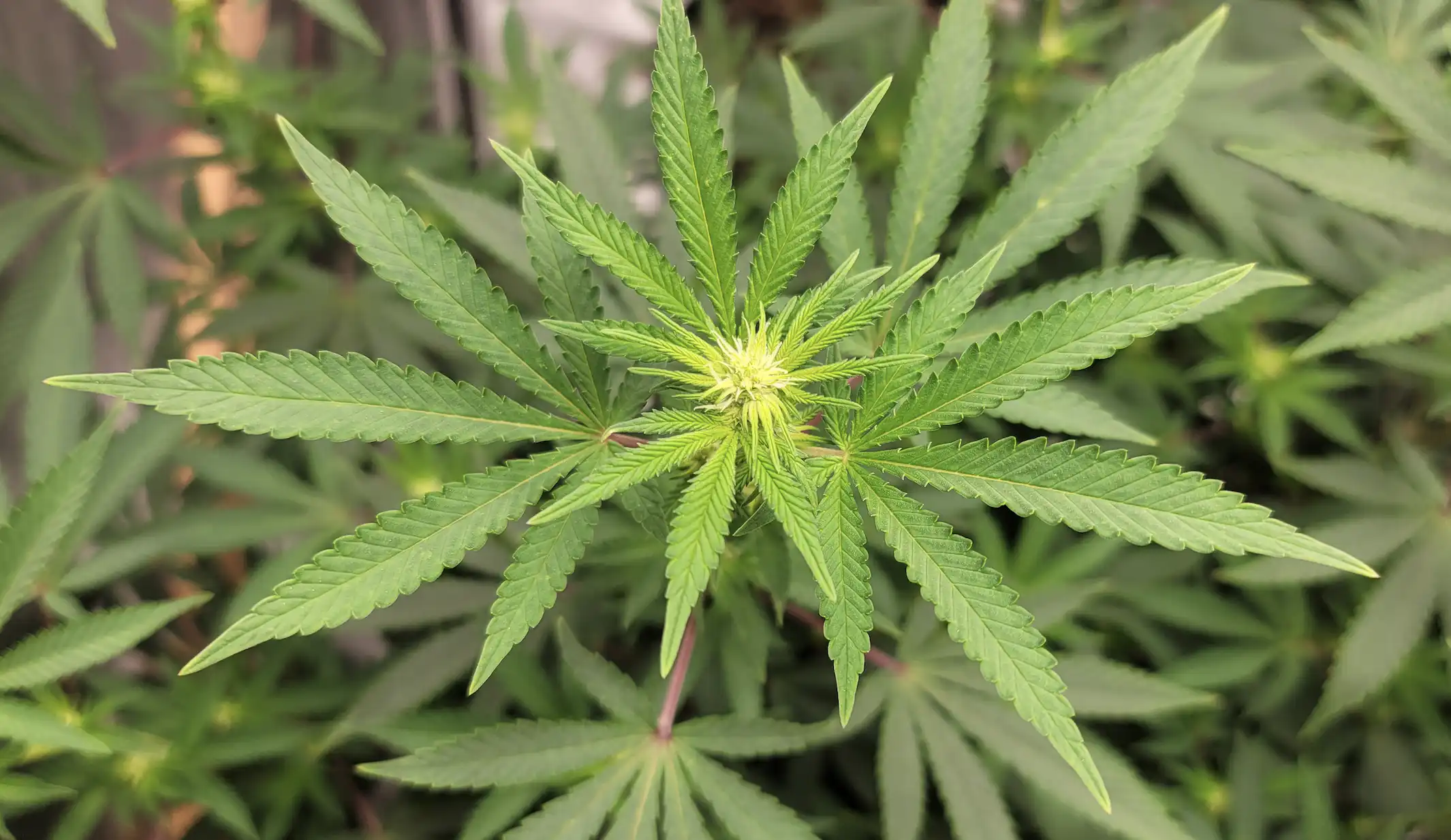
Hemp will also play a crucial role in this research. Known for its deep root system, hemp helps prevent soil erosion, improves soil structure, and can remove harmful contaminants. Gang notes that by rotating hemp with other crops, farmers can enhance the overall health of the soil, leading to better crop outcomes in subsequent planting seasons.
The research will test multiple biochar application rates and formulas, including combinations with time-release fertilizers, to find optimal strategies for agricultural practices. The expected results could lead to reduced fertilizer needs, lowering costs and minimizing environmental impact while maintaining high crop yields.
Work will commence in the coming spring, with researchers applying biochar across test fields. The goal is to create a model that demonstrates the benefits of integrating hemp and biochar in farming practices, which could be vital for revitalizing degraded soils in regions like the Colville Reservation and other affected areas.
Gang expresses a long-term vision for this work, stating, “We need soil that sustains our ability to feed ourselves. This is something I need to do for my grandkids and my grandchildren’s grandchildren.” This project not only aims to enhance immediate agricultural productivity but also contributes to sustainable farming practices that could benefit future generations.