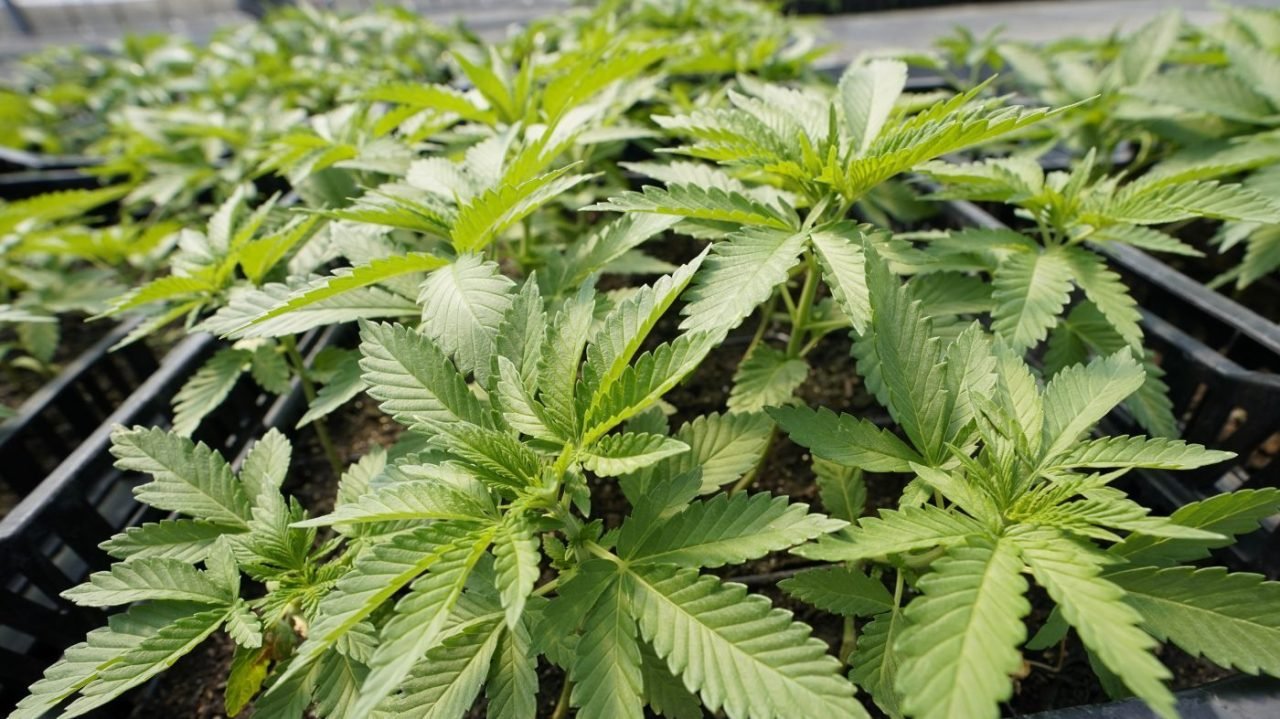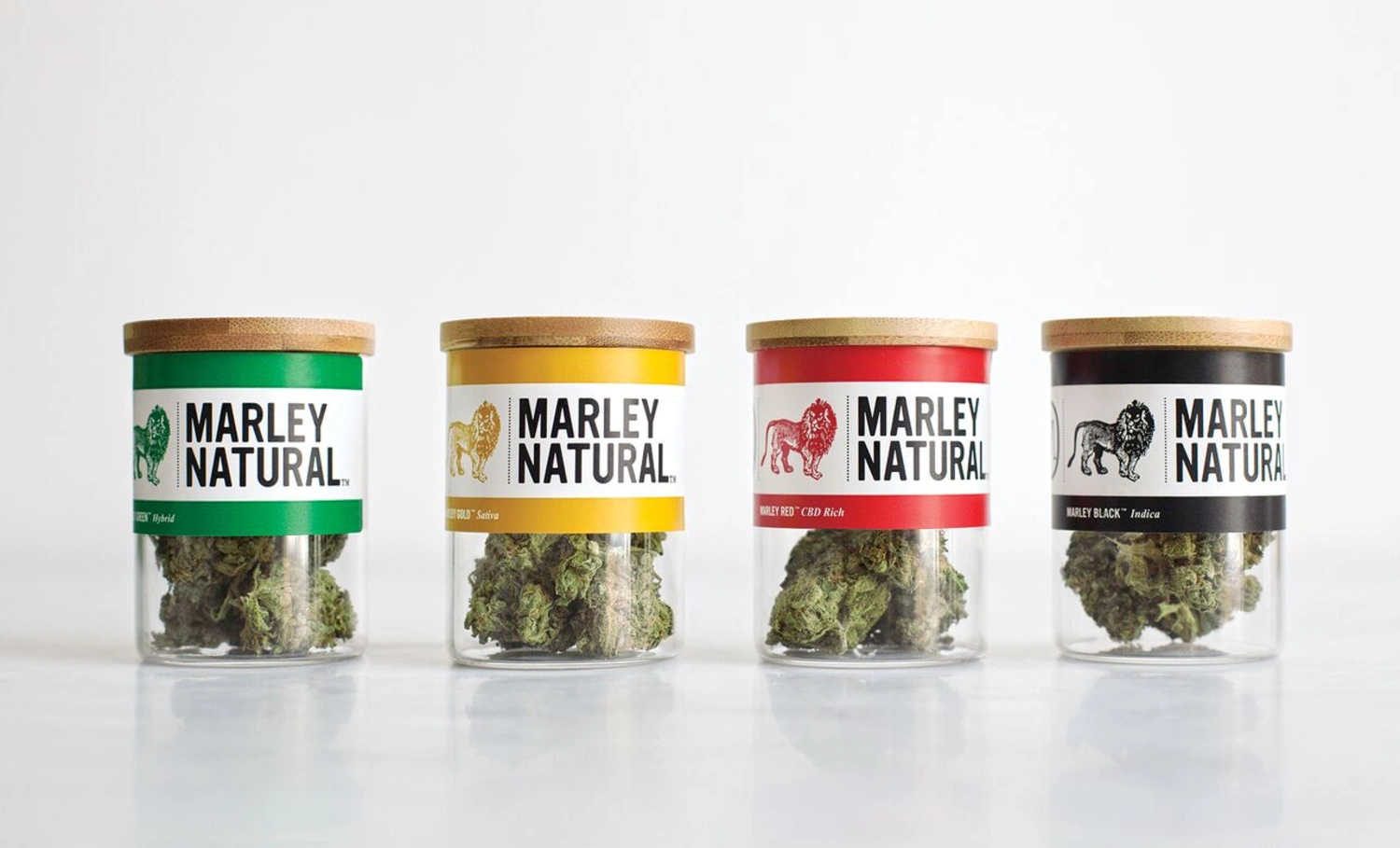

The Drug Enforcement Administration is considering rescheduling cannabis from Schedule I to Schedule III, a change that would signal a federal determination that all cannabis products have an accepted medical use. If approved, the move would apply to marijuana flower, pre-rolls, vape cartridges, concentrates, edibles and tinctures. That classification change raises a clear question: does the scientific evidence support treating crude cannabis as a medicine?
Legal recreational use and medical classification are separate issues. States have legalized adult-use cannabis on ideological grounds; medical status under federal law depends on scientific criteria. Federal drugs gain medical classification after trials show safety, consistent manufacturing, known dosing and a favorable risk-benefit profile. Those standards rely on randomized, controlled trials and regulated manufacturing—requirements that, according to reviewers, cannabis in state dispensaries generally does not meet.
The federal record contains some FDA approvals for cannabinoid-derived drugs. More than 40 years ago, the FDA approved a purified form of tetrahydrocannabinol (THC). Today, three specific cannabinoids have FDA approval for particular indications. Those approvals result from clinical trials of defined molecules, fixed doses and regulated production. The central policy question before the DEA is whether raw or minimally processed cannabis satisfies the same evidence standards. Current reviewers say the answer is no.
Supporters of rescheduling argue that Schedule I status impedes research. The executive order under President Trump titled Increasing Medical Marijuana and Cannabidiol Research directed expedited Schedule III rulemaking to expand research. If research access is a problem, agencies can target those barriers directly through research protocols, streamlined approvals and dedicated funding. Historically, drug approvals follow evidence, not precede it: clinical proof of efficacy usually comes before a broad medical designation.
At the same time, cannabis research output has grown. Indexing by the National Institutes of Health lists more than 53,000 cannabis-related publications, and roughly 4,000 new papers appear each year. Those numbers show active scientific interest, but reviews of that literature emphasize variability in study quality, small sample sizes, inconsistent product characterization and limited randomized, placebo-controlled trials for whole-plant cannabis.
State medical programs do not substitute for clinical consensus. Federal reviewers cite state programs as evidence of medical acceptance, but state program data show concentrated participation by a small number of clinicians. Colorado keeps public records on medical certifications: 0.1 percent of clinicians with prescribing authority issued more than 70 percent of all medical-marijuana certifications, while about 98 percent of eligible practitioners issued no certifications. Those figures indicate program use driven by a narrow subset of providers rather than broad clinical endorsement.
Rescheduling would also change public perception. A Schedule III label commonly signals a medicine with accepted uses and known dosing. Many consumers and patients interpret federal classification as validation. For example, clinicians and drug-testing officers report parents who accepted adolescent cannabis use because they believed it was a legitimate medical treatment for anxiety. That perception can affect behavior and parental supervision.
Clinical risks have shifted as products have changed. Average THC potency in commercially available cannabis has increased compared with several decades ago, and clinicians now report higher rates of acute adverse events tied to potent products. Medical reviewers have documented cannabis-induced psychosis and cannabis hyperemesis syndrome in recent years—conditions less commonly described in older clinical literature. Large-scale developmental data reinforce concerns about adolescent exposure: the Adolescent Brain Cognitive Development Study enrolled more than 11,000 participants and found that teens who used cannabis showed reduced gains in memory, attention and problem-solving compared with peers who did not use.
Policy-makers face a tradeoff: rescheduling could reduce regulatory barriers for some research and change banking, taxation and prescribing rules, but it would also create a federal imprimatur of medical validity for products that vary widely in composition and dosing. A Schedule III label would affect taxation under 280E, allow prescription-based insurance coverage in some contexts, and ease cultivation and distribution constraints—concrete legal and economic effects that extend beyond scientific assessment.
Rather than reclassifying on the basis of program prevalence or political pressure, federal agencies can pursue targeted steps that match the scientific path to drug approval: expand well-designed clinical trials of defined cannabis formulations; standardize product testing and labeling; fund comparative-effectiveness research against existing therapies; and create streamlined protocols for investigators to study whole-plant products under controlled conditions. Those steps would generate the randomized, controlled data needed to evaluate benefits, define dosing, measure harms and set manufacturing standards.
Rescheduling cannabis without a sufficient clinical evidence base would conflate public policy with medical validation. If federal classification changes, agencies should ensure it reflects trial data, reproducible manufacturing standards and clear dosing recommendations for defined indications. Otherwise, the change risks substituting political judgment for scientific proof and altering public behavior and healthcare practices on a federal scale.