

Cannabis use can have serious mental health implications for teenagers, contradicting their common belief that it is safe due to its ‘natural’ and legal status. The potency of cannabis has increased significantly over the years, raising concerns about its impact on adolescent development.
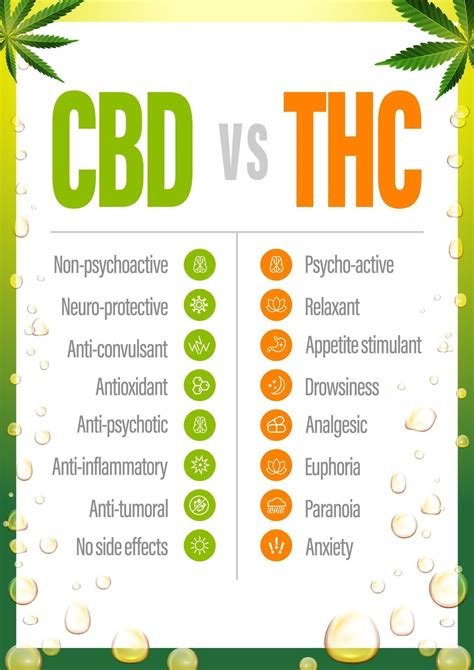
Cannabis contains two main active components: cannabidiol (CBD), which is often linked to pain management and anxiety relief, and delta-9-tetrahydrocannabinol (THC), which causes the psychoactive effects associated with cannabis. THC potency is a key factor in determining the quality of cannabis. The average THC content has risen dramatically from about 1% in the 1960s to around 15% today, with some products reaching as high as 38% and vaping products even exceeding 90% THC.
Since Canada legalized cannabis in 2018, more than 3,600 retail stores have opened to meet a growing demand, particularly among teens. Reports indicate that cannabis use among teens increased by 26% within four years of legalization. Despite regulations prohibiting sales to minors, four out of five teens surveyed said legalization made it easier to obtain cannabis from family or friends. Furthermore, teens are consuming cannabis 34% more frequently since legalization.
The rise in cannabis use among adolescents is alarming because their brains are still developing. Key areas responsible for decision-making, memory, and emotional regulation are maturing during this period. Regular cannabis consumption can lead to long-term cognitive impairments, worsening anxiety, exacerbating depression, triggering insomnia, and aggravating attention-deficit/hyperactivity disorder (ADHD). Health Canada has reported that over one-third of Grade 12 students have used cannabis in the past year, likely an underestimate due to stigma.
The normalization of cannabis use has also led to increased consumption of cannabis-infused edibles, such as cookies and candies. The number of teens using vape pens and oil cartridges nearly doubled in the five years following legalization. Nearly one in three teens now reports vaping cannabis, and those consuming edibles increased their usage by 43%. The delayed effects of edibles, combined with their appealing forms, raise the risk of overdose, particularly in younger children. In Ontario, cases of cannabis poisoning in children surged ninefold within three years of legalization.
Quebec took a different approach by setting the legal age for cannabis use at 21 instead of 19. This decision correlated with a 10% decrease in cannabis use among teens and a 20% drop in edible consumption in that province. Quebec’s awareness of the harmful effects of cannabis on developing brains contrasts with the trend in the rest of Canada, where cannabis use among teens has risen.
THC affects brain regions involved in attention, learning, and emotional regulation, making it difficult for adolescents to process information and manage new challenges. The increased availability and normalization of cannabis use pose risks to mental health, especially as teens may underestimate its potential harms.
With Canada’s high rates of teen cannabis use and the associated mental health risks, there is a pressing need for a reevaluation of the legal age for cannabis access. Public health initiatives must prioritize education about the dangers of cannabis for teens, recognizing that the cannabis industry is unlikely to provide unbiased information. Parents, educators, and health professionals share the responsibility of guiding teens in making healthy choices regarding cannabis use.


 Czech
Czech  English
  Spanish
  German