
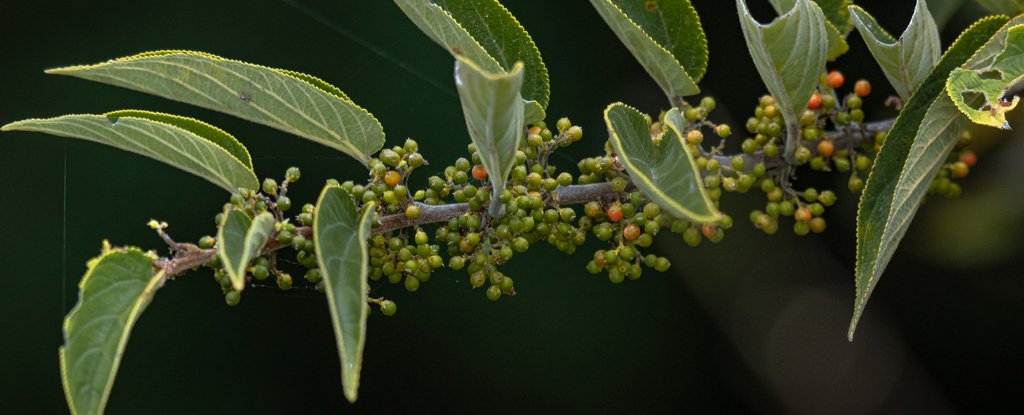
Researchers have identified cannabidiol (CBD), a key compound in cannabis, in a widely available Brazilian plant known as Trema micrantha. This discovery could lead to new methods for producing CBD, which is increasingly recognized for its therapeutic potential.
The study, conducted by molecular biologist Rodrigo Moura Neto from the Federal University of Rio de Janeiro, revealed that CBD exists in the fruits and flowers of Trema micrantha, a shrub that flourishes throughout Brazil and is often viewed as a weed. CBD is commonly used to manage conditions such as epilepsy, chronic pain, and anxiety. Unlike tetrahydrocannabinol (THC), which is the psychoactive component of cannabis, Trema micrantha does not contain THC, making it a legal alternative for CBD production in regions where cannabis remains prohibited.
“This plant grows abundantly across Brazil, providing a simpler and more affordable source of cannabidiol compared to cannabis,” Neto stated. The research team previously identified CBD in a related plant species in Thailand, suggesting that CBD-producing plants may be more widespread than initially thought.
Neto has not yet published the full findings but plans to expand the research to determine the most effective methods for extracting CBD from Trema micrantha. They will also investigate the efficacy of the extracted CBD for treating conditions that are currently managed with medical cannabis. The Brazilian government has awarded Neto’s team a grant of 500,000 reais (approximately US$104,000) to support this five-year research initiative.
Market analysis firm Vantage Market Research estimates that the global CBD market is nearing US$5 billion and is projected to exceed US$47 billion by 2028, primarily driven by its health and wellness applications. This new discovery could play a significant role in the expansion of the CBD market, providing a legal and abundant source of the compound as demand continues to rise.



 Czech
Czech  English
  Spanish
  German