
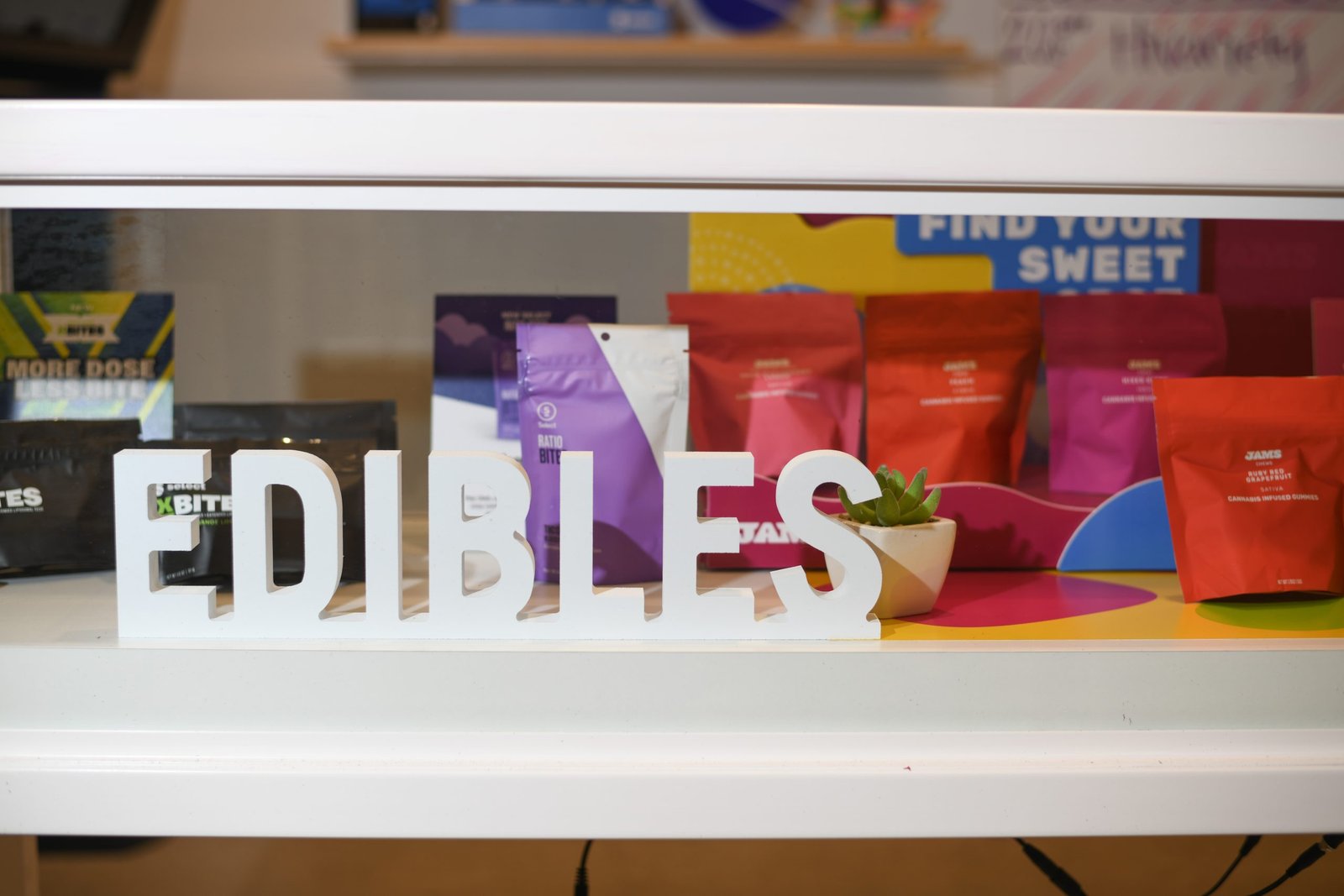
Utah’s medical cannabis program, established to provide patients with access to cannabis medicine, has shown promise but remains flawed, particularly regarding accessibility and cost. This analysis, the fourth in a series on Utah’s cannabis medicine development, highlights key challenges faced by patients and stakeholders.
Despite the program’s structure, many patients struggle to afford the necessary expenses associated with obtaining and maintaining a medical cannabis card. Nanette Berezhnny, a patient since 2021, emphasizes that having a medical cannabis card is a privilege in Utah, underscoring the financial burden patients face. Due to cannabis being classified as a Schedule 1 drug federally, insurance does not cover any related expenses. This leaves patients paying out-of-pocket for initial doctor visits, renewal fees, and medication.
Recent legislative changes reduced the cost of card applications from $15 to $8 and transaction fees from $3 to $1.50. However, the high fees for doctor visits remain a significant barrier. Initial cardholders often face renewal visits every three months, costing hundreds of dollars, which some patients find unaffordable long-term. Salt Baked City Magazine Founder Cole Fulmer points out that while over 200,000 individuals have obtained cards, only about 100,000 remain active due to these financial hurdles.
Berezhnny also highlights the challenges of learning how to use cannabis medicine effectively. Although Utah has a pharmacy-pharmacist system, patients often need to experiment with various products to determine what works best for them. The lack of guidance complicates the process, as Berezhnny notes, “We’re all playing mini-scientists and doctors sometimes, trying to figure out how to treat ourselves with this medicine that we know works.”
To lower costs, a multifaceted approach is necessary. Increased participation from medical providers could help reduce initial visit fees, which were exorbitantly high at the program’s inception, ranging from $200 to $500. As more providers join the program, costs have declined, but with only about 1,000 providers covering over 100,000 patients, the market remains competitive.
State Rep. Jennifer Dailey-Provost argues that patients should seek recommendations from their primary care physicians instead of visiting specialized clinics, which often charge high fees. Recent legislation aims to facilitate this by allowing any provider with a controlled substance license to recommend cannabis after completing four hours of relevant education.
Industry challenges also contribute to high prices. Because cannabis remains illegal federally, all products must be cultivated and processed in Utah, limiting competition. Luke Flood, regional senior vice president at Curaleaf, notes that Utah has only eight cultivation centers and 15 retail locations, leading to higher consumer prices. Vertical integration allows some businesses to control production and reduce costs, but many licensees struggle to keep prices low due to their limited operational scope.
The Utah Department of Agriculture and Food, under the guidance of Brandon Forsyth, is working to prevent monopolistic practices in the tightly controlled market. The state recently issued two new pharmacy licenses, increasing the total to 17, with plans to locate new pharmacies in medically underserved areas.
Despite legislative efforts to improve the program, some changes have hindered access. A recent law eliminated pop-up “card drive” events, which previously allowed patients to connect with qualified medical providers at reduced costs. These events enabled individuals to obtain medical recommendations close to $100 and facilitated follow-up visits. The decision to halt these events has drawn criticism, as it disproportionately affects patients who struggle with costs or lack access to traditional medical routes.
Fulmer observes that progress in Utah’s medical cannabis program often comes with setbacks. New pharmacy licenses might help alleviate some cost and access issues, but logistical challenges remain. Berezhnny points out that even with pharmacies nearby, logistical obstacles can still make obtaining medication difficult for patients on a budget.
State lawmakers are aware that an unaffordable and inaccessible program can push patients toward the black market, which poses safety risks due to the lack of regulatory oversight. Hennessy from the Utah Patients Coalition notes that some black market products have been tested and found to contain harmful residues.
Fulmer emphasizes that the cannabis community must shift its attitude to discourage patients from resorting to illegal alternatives. Both Forsyth and Hennessy express a preference for patients to remain within the regulated medical cannabis program, where products are subject to quality control.
As Utah’s medical cannabis program continues to evolve, addressing these financial and accessibility challenges remains crucial for ensuring that all patients can access the treatment they need.


 English
  Spanish
  German
  Czech
Czech