

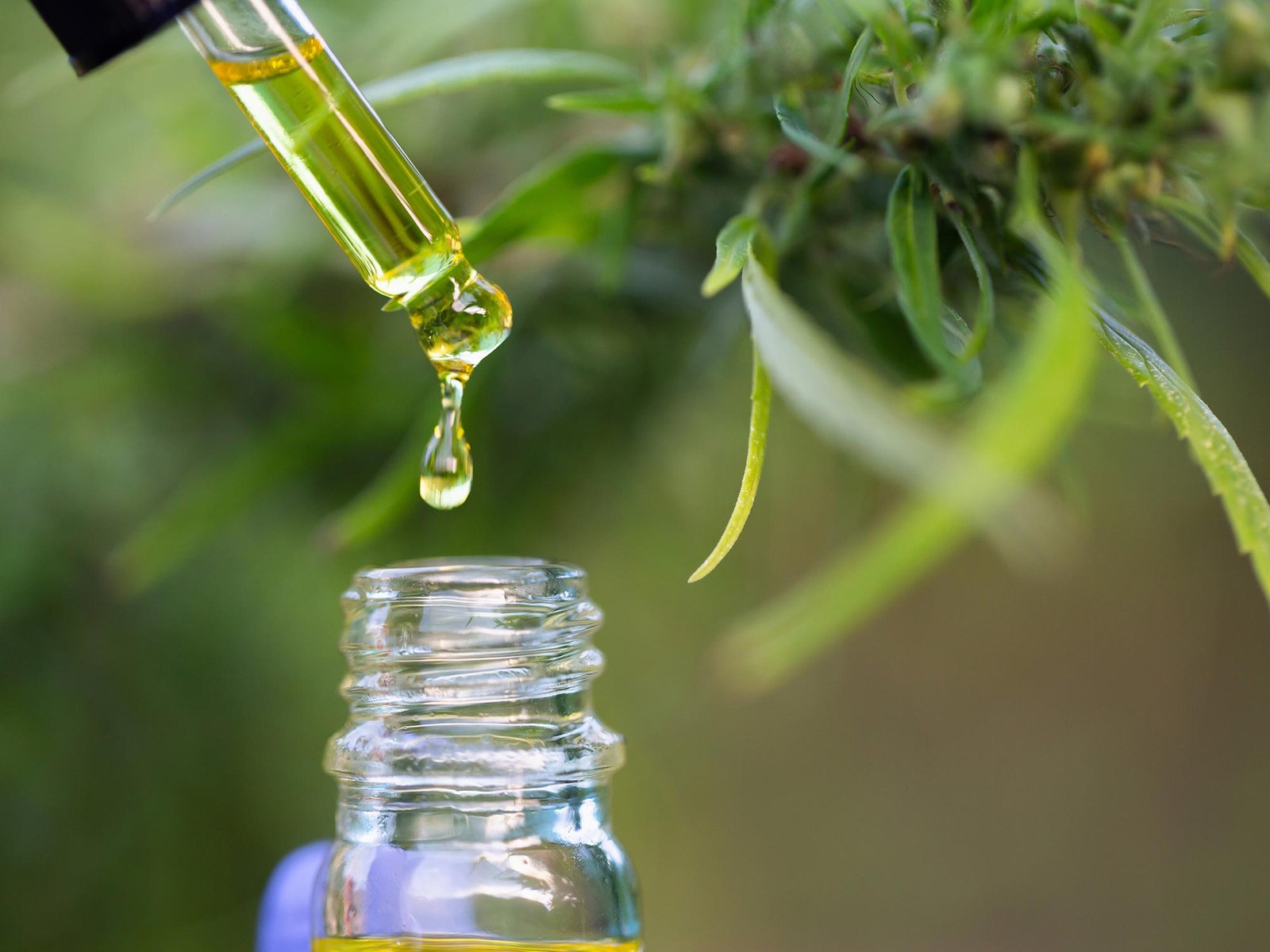
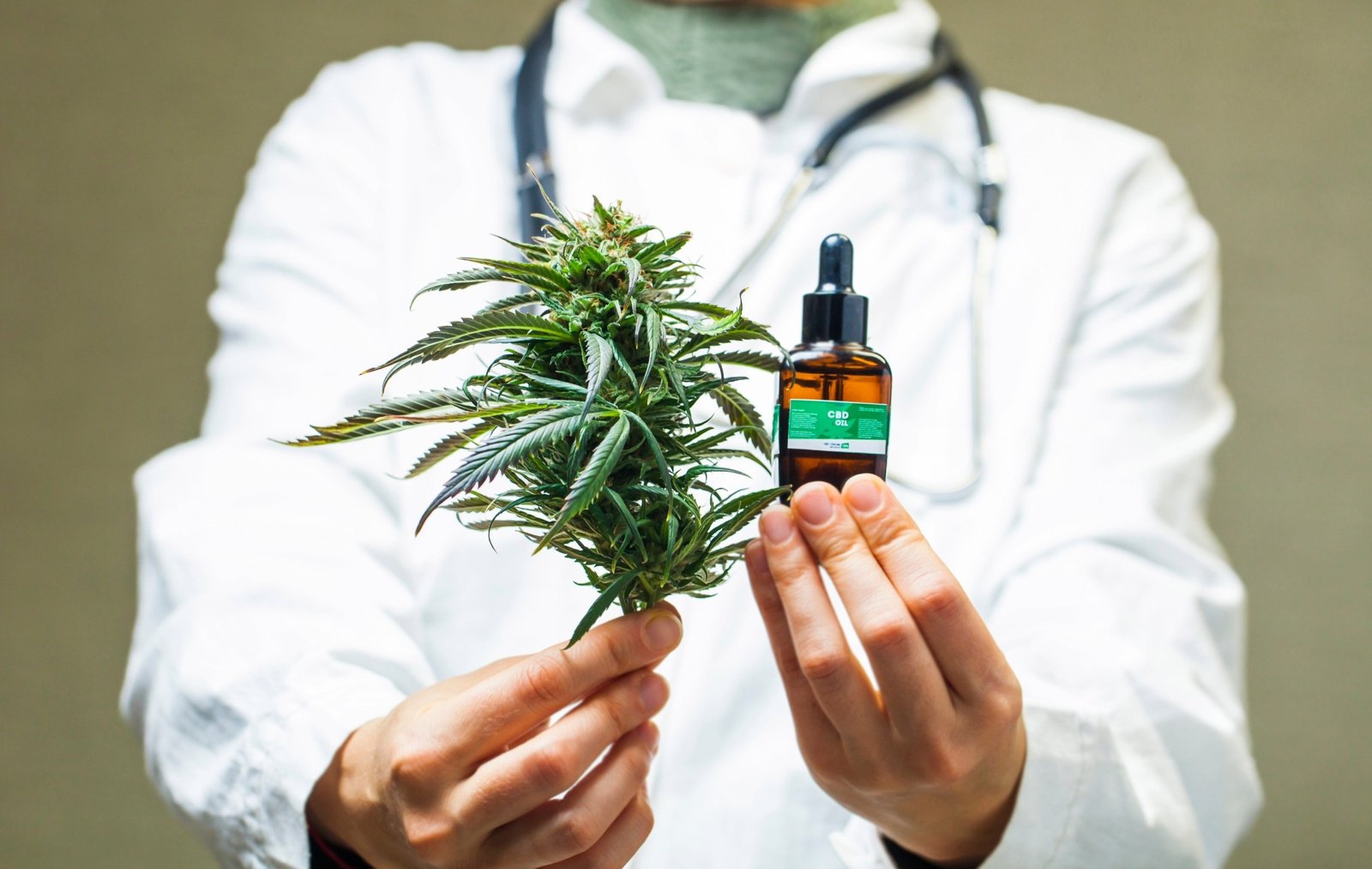
Australia is experiencing a surge in prescriptions for medicinal cannabis, which includes products derived from the cannabis plant and its active ingredients such as THC (tetrahydrocannabinol) and CBD (cannabidiol). These products can be found in various forms, including oils, capsules, dried flowers, sprays, and edibles.
Recent data indicates that approximately half of the medicinal cannabis approvals in Australia are for chronic pain that is not related to cancer. Chronic pain affects about one in five Australians aged 45 and over, highlighting a significant public health concern.
A 2021 review of 32 randomized controlled trials involving nearly 5,200 participants assessed the impact of medicinal cannabis on chronic pain. The findings revealed that those using medicinal cannabis experienced modest improvements in pain levels and physical functioning compared to those receiving a placebo. Specifically, to achieve a 30% pain reduction for an individual, 24 patients would need to be treated with medicinal cannabis.
The same review noted slight enhancements in sleep quality but found no consistent benefits for overall quality of life measures. Experts, including those from the Faculty of Pain Medicine, argue that the current evidence does not sufficiently support the widespread use of medicinal cannabis for pain management outside of clinical trials.
The Therapeutic Goods Administration (TGA), Australia’s regulatory body, has expressed caution regarding the use of medicinal cannabis for chronic non-cancer pain. The TGA emphasizes that evidence for clinically significant pain relief is limited and recommends that patients explore conventional therapies first. When considering medicinal cannabis, it should be viewed as a secondary option after standard treatments have been exhausted.
The TGA also advises against inhaled cannabis due to safety concerns, favoring pharmaceutical-grade products like nabiximols, which contain standardized amounts of THC and CBD.
Despite the mixed evidence, many patients report finding relief from medicinal cannabis. Individual responses can vary based on health conditions and personal beliefs, which may explain why some users find it effective while others do not.
However, medicinal cannabis is not without risks. Common side effects include drowsiness, dizziness, impaired concentration, dry mouth, and nausea. These effects can be more pronounced with high-potency THC products, which have seen a rise in approvals. A study from 2024 indicated that one in four individuals using medical cannabis may develop a cannabis use disorder, with withdrawal symptoms like irritability and sleep disturbances occurring for some users.
Moreover, interactions with other medications, particularly those that cause drowsiness or are used for mental health conditions, can pose additional risks. Fragmented care, where patients receive cannabis prescriptions from separate telehealth clinics, may further complicate treatment and increase the chances of harmful drug interactions.
When compared to other chronic pain treatments, the effectiveness of medicinal cannabis remains modest. Established interventions such as exercise, cognitive behavioral therapy, and pain management education often yield better outcomes with fewer risks. However, accessibility and affordability of these options can be challenging, particularly in rural areas.
As medicinal cannabis usage grows, it reflects not only the demand for effective pain relief but also the gaps in existing healthcare options. While some patients experience benefits, the evidence suggests that the advantages may be limited for many individuals. It is crucial for those considering medicinal cannabis to consult with their healthcare providers, ideally ones who are familiar with their comprehensive medical history, to determine the most appropriate pain management strategies.

 English
  Spanish
  German
  Czech
Czech