
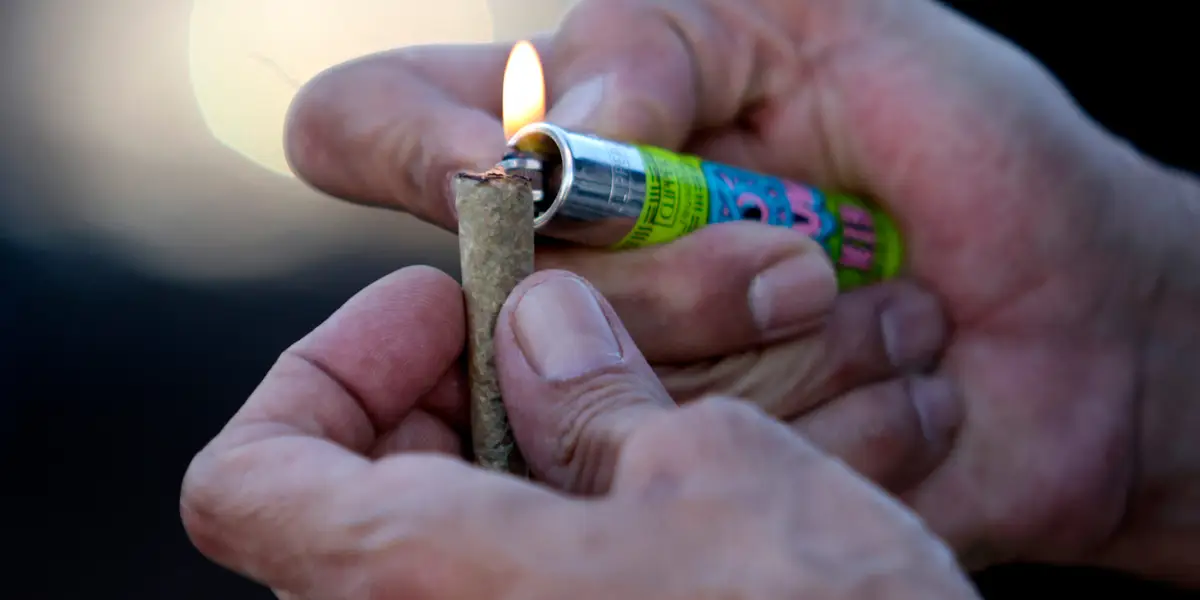
Albuquerque, New Mexico has launched a basic income initiative funded by tax revenue from recreational cannabis sales. Starting this month, 80 low-income families in two struggling districts will receive $750 monthly payments with no conditions attached. This program aims to address economic challenges faced by vulnerable communities.
The city council approved a $4.02 million basic income plan in March, with over $2 million sourced from cannabis taxes. This financial support targets families in areas where students encounter significant academic difficulties. In addition to direct payments, the program includes financial counseling to assist families in managing their finances effectively.
This initiative is part of a broader trend in the United States, where various cities are testing guaranteed basic income programs to support specific low-income demographics, such as new mothers and marginalized communities. Unlike universal basic income, which would provide payments to every citizen regardless of their financial situation, guaranteed basic income focuses on those most in need.
Proponents argue that basic income programs can help individuals stabilize their financial situations, improve housing security, enhance mental well-being, and provide the opportunity for education and better employment prospects. Studies suggest that recipients often experience improved quality of life as a result of such programs.
However, not all lawmakers support this approach. In states like South Dakota, Iowa, and Idaho, legislation has been enacted to prevent cities from implementing basic income initiatives, with critics arguing these payments could disincentivize work and promote dependency.
In Albuquerque, officials emphasize that their basic income program seeks to mitigate inequalities, particularly for communities adversely affected by cannabis criminalization. The city prioritizes assistance to Black, Native American, Asian, and Pacific Islander families, as well as women and low-income households. Mayor Tim Keller stated, “This program puts money where it’s needed most, into the hands of struggling families working to build a better future. Albuquerque is a city that will always fight to correct injustices and will push to help families get the tools they need to succeed with dignity.”
City Councilor Klarissa Peña, who leads the Cannabis Equity and Community Reinvestment Fund, highlighted the importance of tracking the program’s effectiveness. She stated, “This isn’t just about allocating dollars. It’s about delivering tangible benefits to the communities disproportionately impacted by past injustices. We owe them more than good intentions. We owe them results.”
Peña also noted that basic income is just one part of a larger effort to improve community health outcomes and reduce addiction rates, ultimately benefiting taxpayers as well.
As Albuquerque begins this basic income project funded by cannabis tax revenue, it sets a precedent for how cities might utilize recreational cannabis tax funds to support community welfare and address economic disparities.

 English
  Spanish
  German
  Czech
Czech