
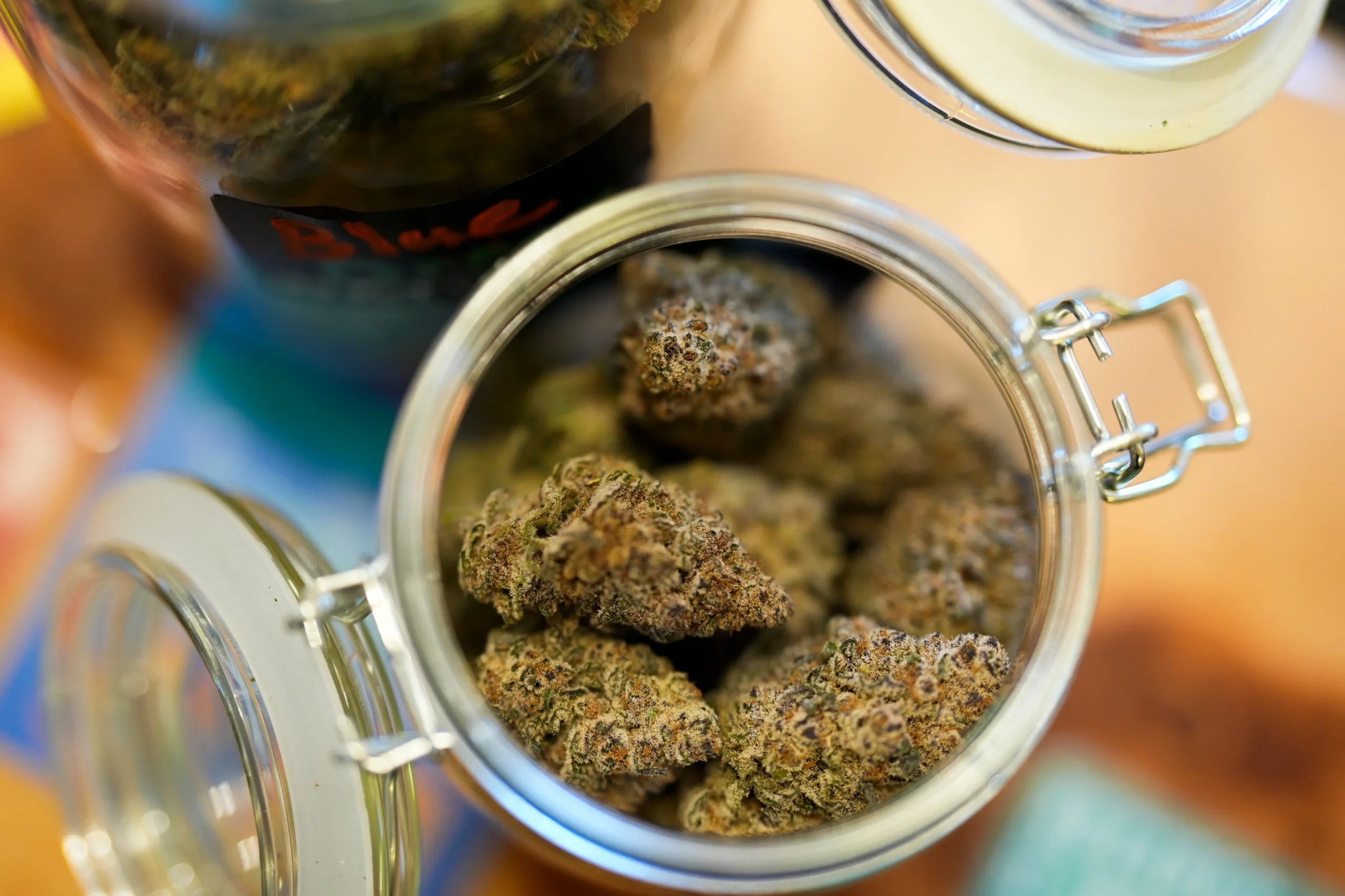
The Pennsylvania House of Representatives has passed a bill to legalize recreational cannabis, marking a significant development in the state’s legislative process. The bill, which spans 173 pages, was introduced by Democratic state Representative Rick Krajewski and was approved after extensive discussions over the past year.
The proposed legislation includes provisions for state-operated cannabis stores, a social equity program, and decriminalization measures. It also permits individuals to cultivate cannabis for personal use and aims to generate tax revenue for the state. This bill represents the furthest progress for an adult-use cannabis legalization effort since Pennsylvania legalized medical cannabis a decade ago.
Krajewski emphasized during his remarks that the legislation would help regulate a currently unregulated market, enhancing public health while generating substantial revenue. The bill passed the House with a narrow 102-101 vote, with all Democrats in favor and all Republicans opposing it.
Key elements of the bill include:
1. State-Operated Retail Stores: Pennsylvania would establish a network of state-run cannabis dispensaries where individuals aged 21 and older can purchase cannabis. The maximum allowable purchase would be 1.5 ounces of cannabis flower, 5 grams of concentrates, or products containing up to 500 milligrams of THC.
2. Taxation: Cannabis products would incur a 12% tax, with a 6% sales tax on retail sales. Municipalities could add an additional 3% tax. The state estimates that revenue from licensing fees and taxes could reach approximately $1.1 billion by 2027.
3. Social Equity Program: The legislation proposes the creation of an Office of Social and Economic Equity, which would manage a lottery system for microbusiness licenses and provide grants and loans to diverse cannabis enterprises. However, critics argue that the current framework does not sufficiently support small and minority-owned businesses in the cannabis sector.
4. Decriminalization Measures: The bill includes provisions for expunging past cannabis-related offenses and outlines penalties for underage cannabis sales that involve warnings rather than severe fines. Employers would be restricted from discriminating against employees who use cannabis, although they could enforce drug testing policies.
Despite the bill’s passage in the House, it faces significant challenges in the Republican-dominated Senate. Skepticism exists regarding the state-operated retail model, with some senators expressing a preference for a more privatized system. In the past, a bipartisan bill proposed by Senators Dan Laughlin and Sharif Street sought to legalize cannabis without a state-run store model but ultimately stalled in committee.
Key stakeholders, including the Pennsylvania Cannabis Coalition, have criticized the new bill for potentially undermining the existing medical cannabis industry by limiting the ability of current dispensaries to convert to recreational operations. Concerns have also been raised about the lack of inclusion for social equity applicants in the dispensary licensing process.
As this legislation moves forward, the outcome in the Senate remains uncertain, but advocates continue to push for reforms that would address the needs of diverse communities and existing cannabis businesses.


 English
  Spanish
  German
  Czech
Czech