
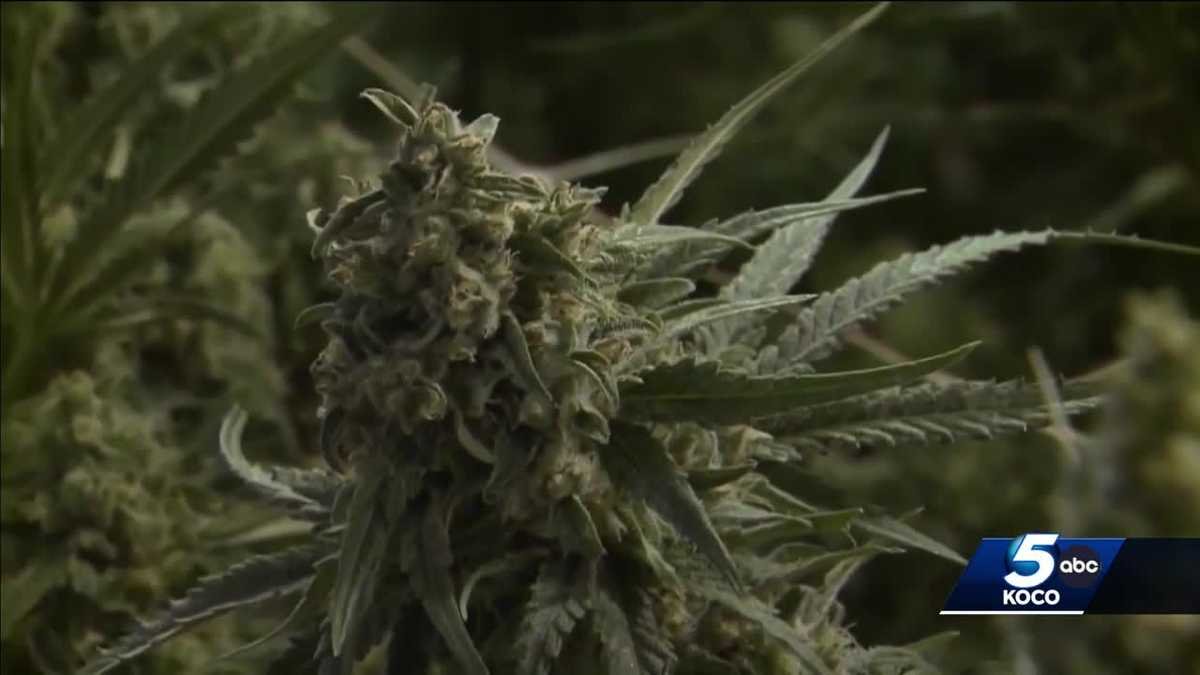
A black market marijuana operation in Oklahoma has led to the sentencing of ten individuals who will collectively serve 38 years in federal prison. The U.S. Department of Justice announced that the sentences are part of an extensive investigation into a drug trafficking organization (DTO) involved in the illegal cultivation and distribution of cannabis.
The investigation, which lasted four years, concluded with the sentencing of Naiqing Lin, a 37-year-old Chinese national residing in New York, to 37 months in prison. Lin was found guilty of conspiring to possess and distribute over 1,000 kilograms of marijuana and 1,000 marijuana plants. The case highlights the operations of a DTO that shifted from Michigan to Oklahoma to evade law enforcement.
From January 2019 until May 2023, co-defendants Fei Xie, 36, and Naigang Lin, 38, spearheaded the DTO’s activities. Initially based in Michigan, the group cultivated and distributed marijuana illegally across the United States. After facing law enforcement challenges in Michigan, the DTO relocated to Ada, Oklahoma, where they established an illegal marijuana grow operation.
The DTO utilized a network of stash houses in Oklahoma City to store large quantities of marijuana before shipping it out of state. Authorities seized approximately 3,500 pounds of marijuana, around 5,000 marijuana plants, nearly $410,000 in cash, and 10 properties valued at over $4.6 million during the investigation. They also confiscated 10 vehicles linked to the operation.
In total, the ten defendants received various sentences, with Naigang Lin and Fei Xie each receiving 120 months in federal prison for their roles in the conspiracy. Other defendants, including Naiyang Lin, Li Jin Yang, and several others, received sentences ranging from four months to 60 months, depending on their involvement.
U.S. District Judge Joe Heaton emphasized the serious nature of the DTO’s operations, stating that this criminal organization exploited Oklahoma to expand its black market marijuana and money laundering activities nationwide. U.S. Attorney Robert J. Troester remarked on the coordinated efforts of law enforcement agencies, including Homeland Security Investigations (HSI), in dismantling the DTO and pursuing those behind such illicit activities.
The investigation involved multiple federal agencies, including the Drug Enforcement Administration and the Internal Revenue Service-Criminal Investigations, as part of the Organized Crime Drug Enforcement Task Force (OCDETF) initiative, aimed at targeting high-level drug traffickers and money launderers. Assistant U.S. Attorneys played a key role in prosecuting the case, which underscores the ongoing challenges authorities face in combating illegal drug operations and ensuring accountability for those involved.


 English
  Spanish
  German
  Czech
Czech