
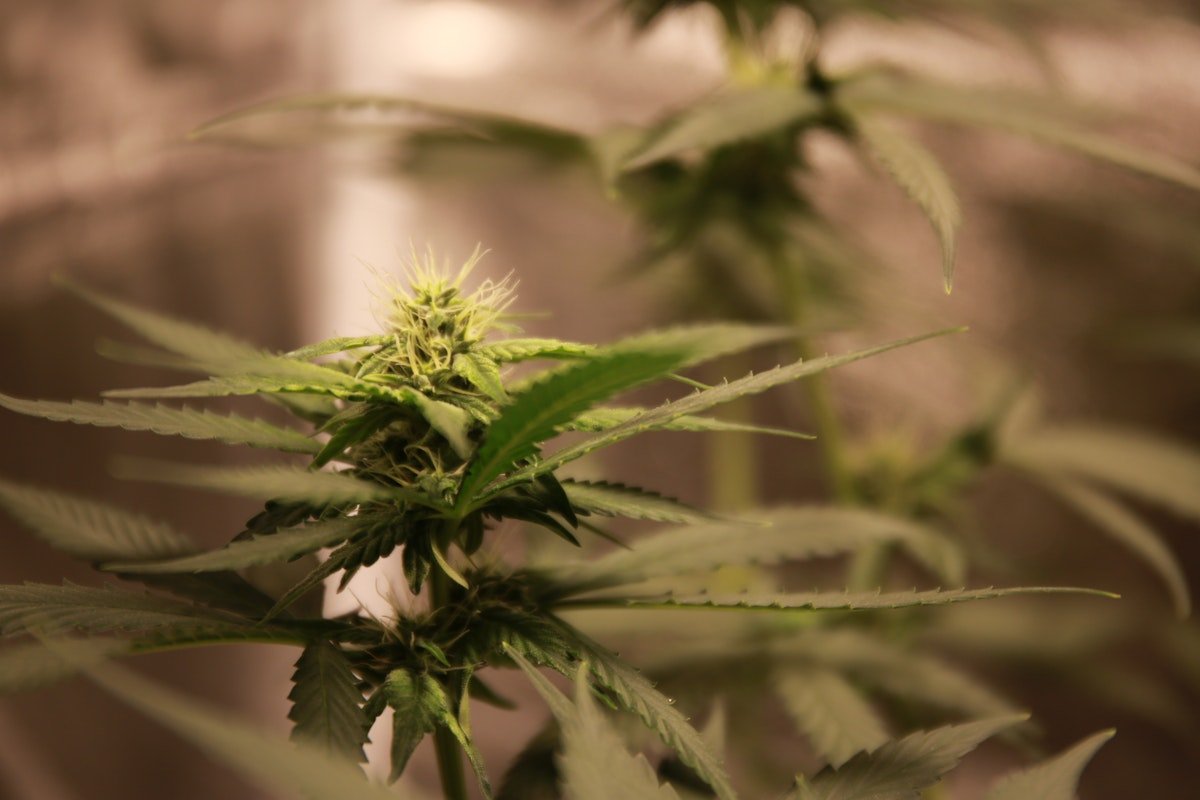
A recent study published in Psychological Medicine reveals a strong connection between daily or near-daily cannabis use and elevated levels of soluble urokinase plasminogen activator receptor (suPAR), a biomarker indicative of chronic inflammation. This research suggests a potential health risk associated with frequent cannabis consumption, particularly regarding inflammation-related conditions.
The study analyzed data from 914 participants, aged 24, who were part of the Avon Longitudinal Study of Parents and Children (ALSPAC). Among these participants, 22% were diagnosed with major depressive disorder, 29% had anxiety, and 10% reported experiencing psychotic symptoms in the previous six months. Participants provided blood samples for analysis and responded to questions about their cannabis use frequency.
Findings showed that approximately 5% of participants reported daily cannabis usage, while 7% used it weekly or monthly, and 21% used it less frequently than once a month. Notably, cannabis use did not correlate with levels of interleukin-6 (IL-6), C-reactive protein (CRP), or tumor necrosis factor-alpha (TNFα). However, those who used cannabis daily exhibited significantly higher levels of suPAR, indicating a marked increase in chronic inflammation.
The research team, led by Emmet Power, aimed to explore the relationship between cannabis use and immune system activity. Elevated suPAR levels can suggest chronic inflammation, which is linked to various health risks, including cardiovascular disease, cancer, and other serious conditions.
While the study establishes a correlation between daily cannabis use and elevated inflammation markers, it does not imply a direct cause-and-effect relationship. The authors note that further research is needed to understand the mechanisms underlying this association. They also highlight the potential implications of frequent cannabis use on oxidative stress and its role in chronic diseases that may affect multiple bodily systems.
This study emphasizes the need for awareness regarding the health implications of regular cannabis use. As cannabis continues to gain acceptance both recreationally and medicinally, understanding its effects on the body becomes increasingly important for users and healthcare professionals alike.


 English
  Spanish
  German
  Czech
Czech