
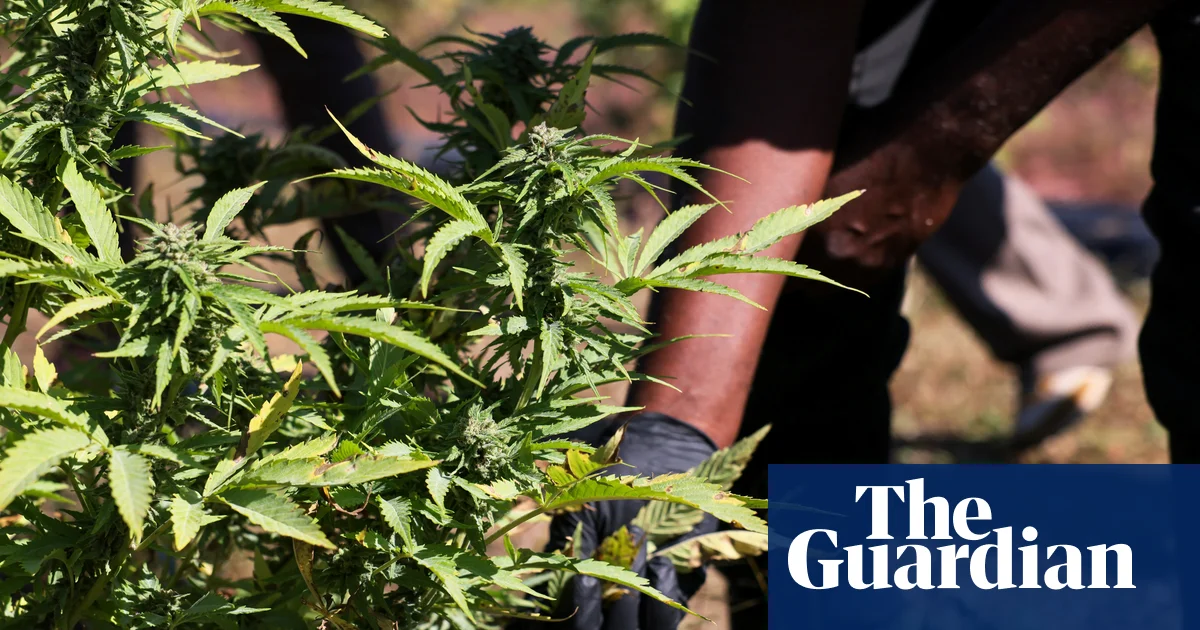
A new bill, the Evidence-Based Drug Policy Act of 2025 (EBDPA), aims to remove barriers to research on cannabis and other Schedule I drugs. Introduced by Representatives Dina Titus and Ilhan Omar, this legislation seeks to align drug policy with the growing body of evidence surrounding cannabis use and its effects.
Currently, substances classified as Schedule I, including cannabis, heroin, and MDMA, are defined as having no accepted medical use and a high potential for abuse. This classification complicates research efforts. Advocates argue that the federal Schedule I status of cannabis contradicts its use by patients in various states for medical purposes.
The Biden administration previously suggested reclassifying cannabis to Schedule III, a move that would allow cannabis-based medicines to gain FDA approval. However, progress on this front has stalled. In contrast, the EBDPA could be enacted more swiftly, as it seeks to repeal existing restrictions that prevent federal funding from supporting research on Schedule I substances.
Omar emphasized the need for drug policy to reflect current scientific understanding and the realities faced by states where cannabis is legalized. She stated, “We need drug policy to follow the science and reflect the reality on the ground in states across the country.”
The bill’s proponents believe it can attract bipartisan support. Katharine Neill Harris, a drug policy fellow at Rice University, described the EBDPA as a modest proposal with potential for broad appeal. Cat Packer, director of Drug Markets and Legal Regulation at the Drug Policy Alliance, echoed this sentiment, noting that the bill prioritizes evidence over ideological positions.
Despite these optimistic views, some remain skeptical about the bill’s chances of passing. Aaron Smith, CEO of the National Cannabis Industry Association, expressed doubts, citing the current hyper-partisan climate in Congress. He stated that passing any legislation, including the EBDPA, seems unlikely in the near future.
Packer argued that the bill is essential for developing effective cannabis policies. Currently, the federal government lacks the means to evaluate cannabis’s impact on youth consumption, health outcomes, arrest rates, and economic implications of legalization. Existing policies are outdated, and Packer noted that there is a disconnect preventing the federal government from adapting to real-world conditions.
Ideally, the EBDPA would lead to increased rigorous research on cannabis and other Schedule I substances, addressing questions about their medical use, optimal dosages, and long-term effects. While the primary focus of the bill is cannabis research, it would also facilitate studies on other Schedule I substances, such as psilocybin and MDMA, which may offer therapeutic benefits.
Harris pointed out that if evidence emerges supporting the medical use of a Schedule I drug, the ONDCP would no longer be obligated to oppose it. However, she raised concerns about whether sufficient federal funding would be allocated for this research, especially given the Trump administration’s previous stance against federal research funding.
In summary, the EBDPA represents a significant opportunity to improve federal drug policy by fostering research on cannabis and other Schedule I substances. While the path to passage remains uncertain, the bill could help bridge the gap between scientific research and drug policy, ultimately benefiting medical practices and public health.