Georgia’s medical cannabis program expanded on July 1 under the Putting Georgia’s Patients First Act. The law removes the prior 5% THC concentration cap, changes product regulation to total THC per product and per-patient purchase limits, and authorizes new delivery forms and dispensing channels.
Law changes and key numbers – Effective date: July 1. – THC cap removed: The old 5% concentration limit no longer applies. Regulators will control products by total milligrams of THC per item and by how much a registered patient may buy over a set period. – Participation to date: About 35,000 Georgians hold medical cannabis registrations; roughly 5,000 were purchasing monthly under the previous rules.
Product types and distribution The law authorizes lotions, transdermal patches, suppositories and nebulizers in addition to existing oral oils and tinctures. It also allows independently owned pharmacies to dispense medical cannabis to cardholders. Previously, sales were limited to a small number of state-licensed dispensaries. Advocates say opening pharmacies will increase retail points and shorten travel distances for patients.
Expanded qualifying conditions The act adds specific conditions to the registry, including HIV, lupus, irritable bowel syndrome, endometriosis and terminal illnesses requiring hospice or palliative care. Physicians now have broader discretion to recommend medical cannabis for chronic pain tied to existing qualifying diagnoses. Lawmakers removed the requirement that many conditions be labeled “severe” or end stage before a patient can qualify, enabling earlier access for some patients.
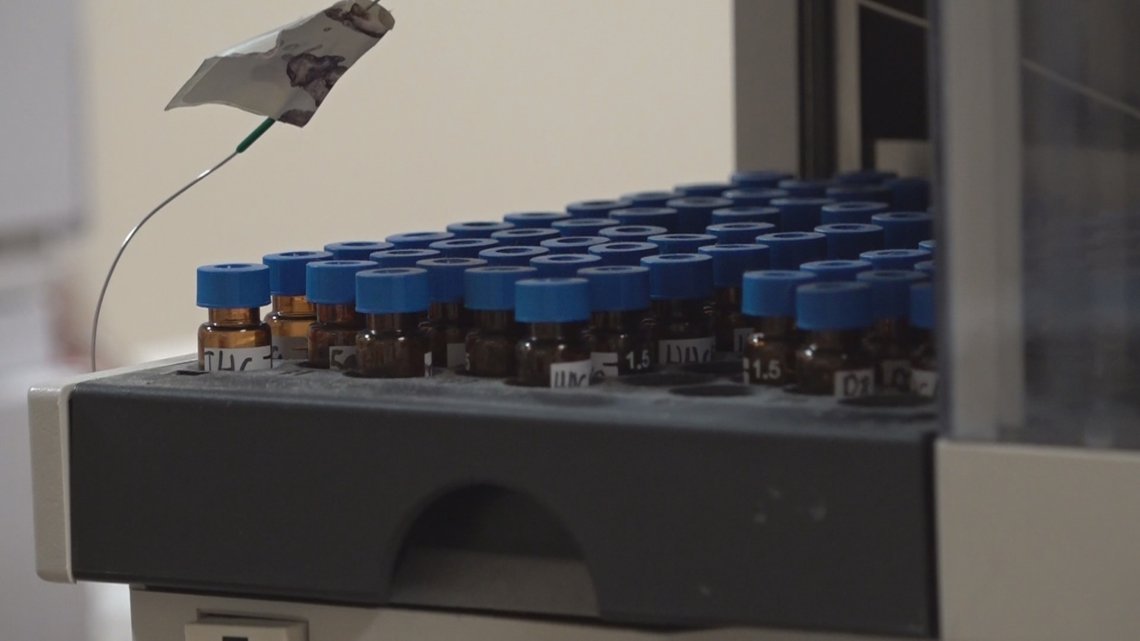
Industry and testing SJ Labs and Analytics, Georgia’s first cannabis testing laboratory, will continue sample testing under the new framework. The lab measures cannabinoid potency and screens for contaminants such as pesticides, heavy metals, residual solvents and microbial impurities. SJ Nicholls, founder and scientific director at SJ Labs, said testing becomes more important as product variety and patient volume increase.
“We got patients access,” Nicholls said. “Immediate relief for patients in Georgia, that’s the big takeaway. We have a legal market without the risk of incarceration.” Nicholls also highlighted the difference between hemp and medical cannabis regulation: federal and hemp rules can restrict THC in hemp products, while Georgia’s medical program now allows higher-THC medical preparations under state oversight.
Patient response and expected growth Early indicators point to increased demand. Clinics that certify patients reported a rise in inquiries after the law took effect. In Macon, the single dispensary reported constant customer lines on the first day of expanded access. Nicholls compared Georgia to Florida, where program changes produced a rapid jump in registrants; Georgia officials and industry operators expect a similar increase in patient participation.
Remaining gaps Advocates and providers note remaining logistical issues. Hospice patients may decline faster than the time needed to obtain a card. Caregivers face paperwork and pickup challenges when retrieving medication on a patient’s behalf. Lawmakers and regulators may need to adopt measures to speed issuance for terminally ill patients and to clarify caregiver pickup rules.
How patients can apply State law still requires certification by a Georgia-licensed physician to receive a Georgia Medical Cannabis Card. The Georgia Department of Public Health’s Medical Cannabis Program lists qualifying conditions and application steps. Patients and physicians should consult the department’s website for current forms, fees and timelines.
What changes for providers and operators Operators who invested in Georgia’s market say the law improves business viability. Under the previous regulatory regime, monthly active purchasers averaged about 5,000 despite roughly 35,000 registered patients. By broadening qualifying conditions and allowing pharmacies to sell medical cannabis, the law aims to increase active purchasing and expand patient access across more retail locations.
Bottom line The Putting Georgia’s Patients First Act removes the 5% THC cap, shifts regulation to total THC and purchase limits, adds product forms and qualifying conditions, and permits pharmacies to dispense to registered patients. The state expects patient participation to rise; testing labs and pharmacies will need to scale operations to handle more products and higher volumes. Patients should obtain physician certification and follow Georgia Department of Public Health guidance to apply for a medical cannabis card.