Thailand cannabis policy is under immediate review after a series of international seizures traced to Thai sources. Four years after decriminalisation in 2022, the government says stalled control laws and rising illegal exports have allowed cannabis grown in Thailand to appear in shipments seized in the United Kingdom, Germany, Indonesia and Hong Kong. Prime Minister Anutin Charnvirakul has warned the sector may be re-criminalised if lawmakers cannot contain cross-border smuggling.
The 2022 move made Thailand the first Asian country to decriminalise cannabis and aimed to open a regulated market for medical use. Legislators have not finalised detailed control legislation since then. In that regulatory gap, retail outlets that sell for recreational use multiplied on high streets and online. At the same time, growers facing a sharp drop in domestic prices responded to oversupply by seeking bulk buyers abroad, officials say. Those export channels are now linked to multiple foreign seizures.
Anutin spoke to reporters after authorities in several countries intercepted shipments and arrested people connected to product traced back to Thailand. “No matter how strict our measures are, if people can still smuggle drugs out, we need to go back and reassess our approach,” he said. The prime minister framed the seizures as evidence that current laws and enforcement do not stop illicit trade.
Cause and effect are clear in the government’s account: incomplete legislation allowed widespread retailing and production; production exceeded domestic demand and pushed prices down; some producers shifted to exporting in bulk; some of those exports moved through illegal channels and were intercepted abroad. That chain of events has erased a key selling point of the 2022 policy — that a legal, regulated market would prevent black‑market activity and protect public health.
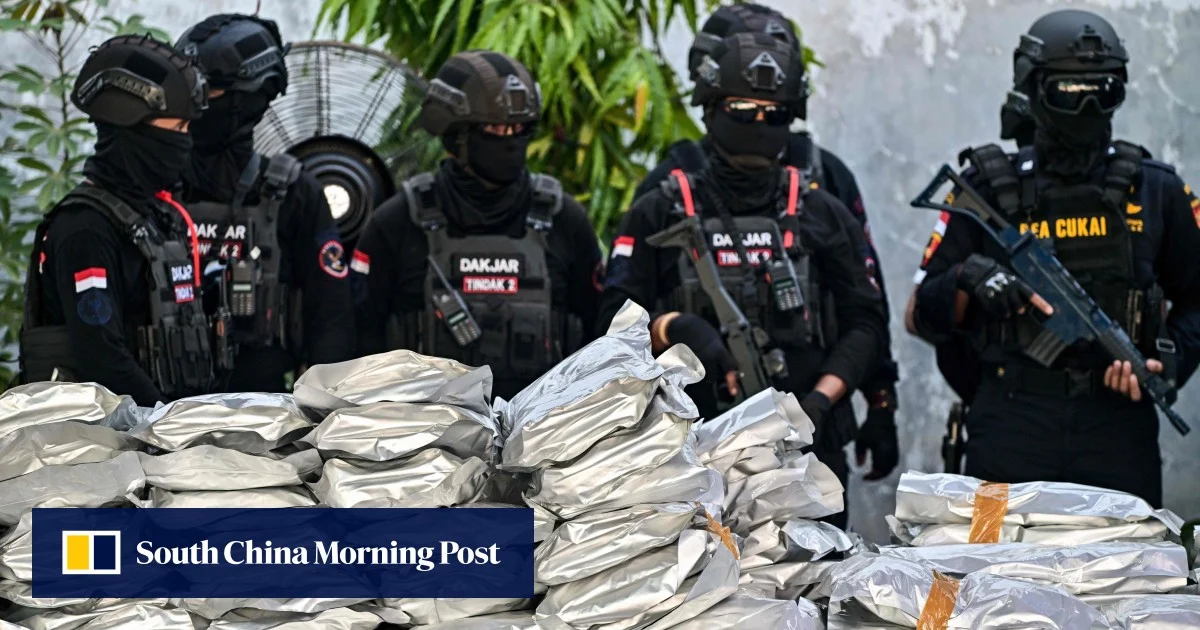
Officials have not published a comprehensive list of the number of seizures linked to Thai product, but media and law‑enforcement reports have named police actions in at least four jurisdictions. British, German and Hong Kong authorities reported large consignments that their investigations traced to Thai farms or distributors. Indonesian authorities also reported arrests tied to shipments with Thai markings or supply chains. Those foreign operations prompted emergency briefings within Thailand’s health and interior ministries and triggered cross‑agency discussions on enforcement and export controls.
Industry and farmers say the market dynamics are more nuanced. Growers who expanded production after decriminalisation faced a market glut and “collapsed” wholesale prices, according to several small producers interviewed by local media. Many licenced and unlicenced retailers now sell THC products openly. Without clear export rules and with limited enforcement capacity at ports and airports, some producers are selling large volumes to intermediaries who then move products abroad.
If the government follows through on recriminalisation, the legal status of current cultivators and retailers would change rapidly. Recriminalisation could mean revoking licences, seizing stock, and increased arrests for production and distribution. That would reverse the 2022 policy and put thousands of growers and shopkeepers at legal risk. The government has not outlined a timetable for such measures, but Anutin’s comments make the threat explicit: if smuggling continues, the state will “reassess” the legal framework, a phrase the prime minister used to describe the possible return to prohibition.
Lawmakers face two immediate choices. One option is to accelerate passage of a control law that defines licencing, production quotas, export rules and penalties. Clearer rules could restrict recreational sales, set minimum prices or restrict who can cultivate and sell. The second option is to tighten enforcement under existing laws while debating new rules, including stepped‑up inspections at packing houses, stricter seed‑to‑sale tracking, and sharper penalties for intermediaries who ship product overseas.
Internationally, the seizures have diplomatic implications. Countries that intercepted shipments may press Bangkok for stronger cooperation on investigations and for legal tools to block illegal exports. If Bangkok re-criminalises cannabis, international partners may nonetheless continue to require evidence of cooperation on cases tied to Thai supply chains.
For the domestic market, policymakers must balance three measurable risks: (1) public‑health and public‑order risks from unregulated recreational sales, (2) economic damage to growers from volatile prices and sudden policy reversals, and (3) diplomatic and trade consequences from repeated cross‑border smuggling incidents. The government’s immediate decision will affect tax revenue projections, business licences already issued, and the livelihoods of small growers who expanded after 2022.
Observers say the most practicable near‑term steps are administrative: tighten export controls, require tracking systems for shipments, impose minimum quality and packaging standards that discourage bulk smuggling, and prioritise inspections at known distribution hubs. Legislative fixes — such as clear export bans or licensed export channels tied to strict documentation — will take longer but can reduce the legal ambiguity that allowed rapid retail expansion and supply growth.
The current crisis shows that policy design and enforcement must align to prevent unintended consequences. Thailand’s government now faces a binary political test: finalize a comprehensive control law that limits illicit export opportunities, or reverse course and re‑criminalise cannabis production and sale. Either path will produce measurable impacts on retail availability, farm incomes, and international enforcement cooperation.
For now, the prime minister’s public warning places immediate pressure on lawmakers to act. If officials cannot show quick reductions in smuggling or pass concrete controls, the government has signalled it will move to reintroduce criminal penalties, a change that would redraw the legal landscape created in 2022 and have direct effects on thousands of businesses and growers across Thailand.