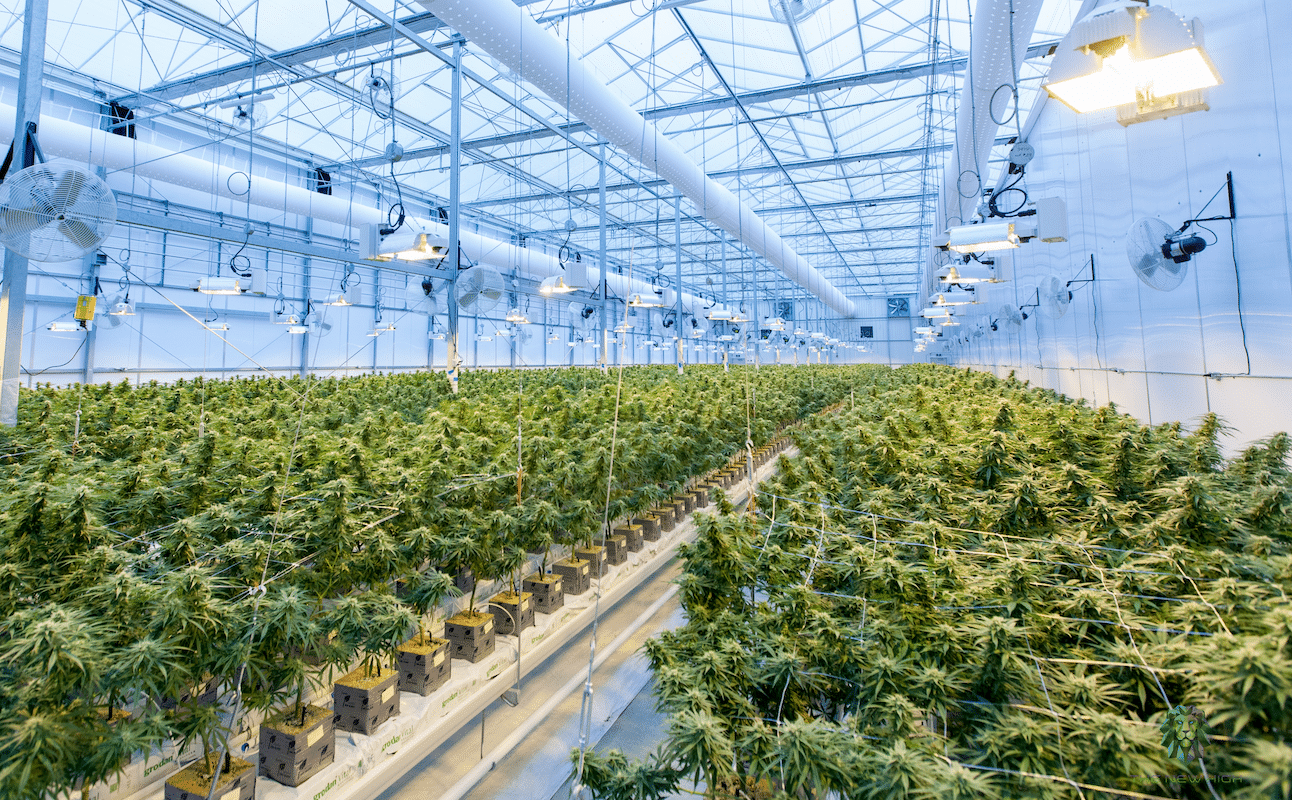
medical cannabis grower Kent Rogert says a Washington County stop-work order has paused construction on his 10-acre cultivation site outside Herman, Neb., delaying planting and threatening next year’s patient supply.
Rogert, a former state senator and one of four cultivators licensed by the Nebraska Medical Cannabis Commission, received his state cultivation license in January. He cleared roughly 10 acres for production, installed security plans that include perimeter fencing and surveillance cameras, and sought local permits to complete infrastructure.
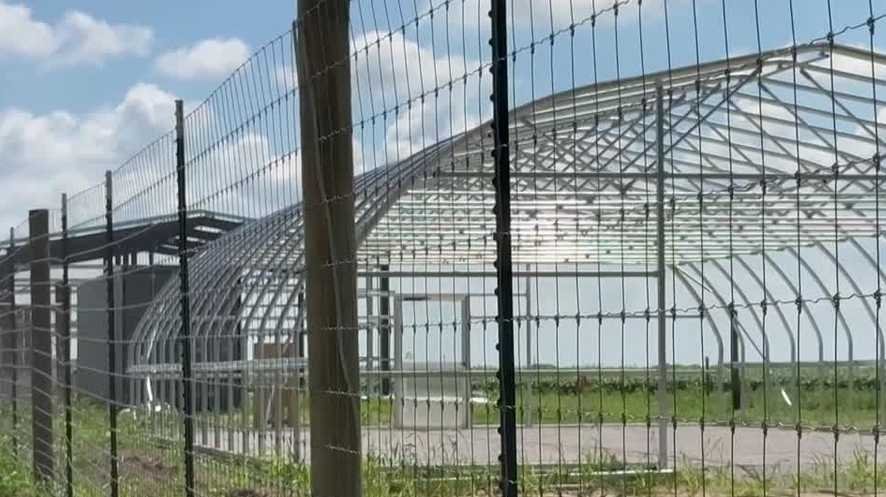
Rogert secured an agricultural building permit in March to construct a barn that would store harvested crop and house the camera system. By May he says the barn, a greenhouse and fencing were nearly finished and the site was days away from planting. “We should have 4-foot plants growing out here right now,” he said. “But we have no plants.”
The county building inspector issued stop-work orders in May, Rogert said, ordering that no construction resume until the Washington County planning office approves all required permits. Rogert said the stops applied to the barn, greenhouse and fencing; materials now sit in incomplete stacks on the field. The only written documents he received from county officials were the stop-work orders.
At issue, Rogert says, is the county’s definition of agriculture. County officials have told him — according to his account — that growing medical cannabis does not qualify as agriculture under local zoning rules. That position would require different permits or possibly prohibit the operation on agricultural land.
Rogert and his attorney have repeatedly sought written guidance from county officials on what permits or changes would cure the stop-work orders. He says the county has not responded to their questions. KETV contacted the Washington County attorney and the county building inspector for comment but had not received a reply at the time of reporting.
Rogert estimates the delays have already lasted more than a month and could shrink the outdoor growing window. He warned that if planting does not occur by early next month, the reduced harvest could limit the supply of medical cannabis available to Nebraska patients in 2027. “We’re not going to have enough medicine for the patients,” Rogert said.
Rogert reported the dispute to the Nebraska Medical Cannabis Commission. Commissioners reviewed the case and asked him what they could do to help, he said. Rogert described that response as constructive and said he wants a clear, written interpretation of zoning rules so he can comply.
Rogert stressed he prefers to resolve the matter cooperatively but did not rule out legal action if the county fails to provide clear rules or timely approvals. “I just want clarity and I’m happy to follow zoning rules,” he said.
Concrete timeline and numbers: Rogert received a state license in January, an agricultural building permit in March, and says stop-work orders arrived in May. He is one of four state-licensed cultivators preparing land for medical cannabis production. Site plans include a barn to store crops, a greenhouse, perimeter fencing and a surveillance system; Rogert prepared roughly 10 acres for outdoor cultivation and expected plants to reach about 4 feet during the current season.
Policy implications: If Washington County enforces a zoning definition that excludes medical cannabis from agriculture, licensed cultivators could face additional permitting requirements or be forced to relocate. That outcome would affect the timeline for licensed operations statewide because Nebraska’s medical cannabis rollout relies on a small number of licensed growers to supply dispensaries and patients.
Next steps: Rogert and his attorney continue to seek written direction from county officials and to work with the state Medical Cannabis Commission. He said he will consider legal remedies if the county does not clarify the applicable zoning rules and allow him to finish construction. County officials had not responded to media requests for comment at the time of publication.
This dispute highlights a local-state regulatory gap: the state issues cultivation licenses and technical requirements, while counties control land use and permitting. In this case, conflicting interpretations of “agriculture” have halted physical work on a licensed site and introduced a measurable risk to patient access in 2027.
For patients and regulators, the immediate measure to track is whether the county issues a written determination that classifies medical cannabis cultivation as agriculture or specifies alternative permits required. That document would set a clear path for Rogert to resume work and for other licensed cultivators in similar situations to plan construction and planting schedules.