
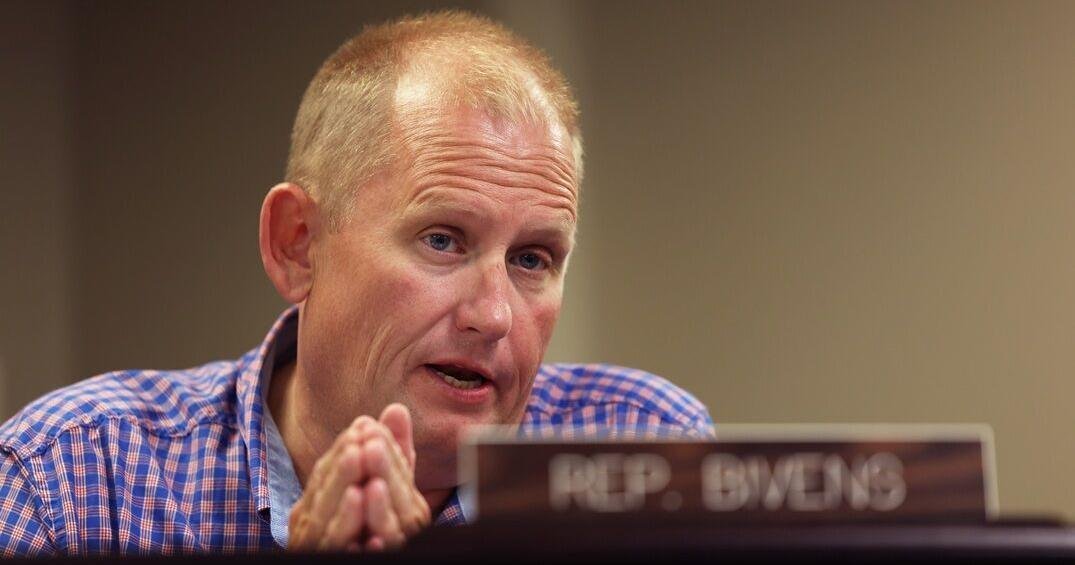
Kentucky lawmakers received a medical cannabis update on July 2 and voiced concerns about patient costs and whether local farmers are securing meaningful roles in the program.
Members of the Interim Joint Committee on Agriculture heard presenters outline the commonwealth’s medical cannabis framework during a meeting Thursday. Committee Co-Chair Rep. Myron Dossett, R-Pembroke, said he is uncertain that Kentucky farmers “are benefitting from the program as they should.” Dossett emphasized that farming and farmers remain central to the state’s economy and explained that those considerations prompted the agenda item.
Lawmakers focused on two related issues: affordability for patients and participation by Kentucky growers. Several legislators asked whether current licensing rules, fee structures, and market practices are pushing prices higher for patients or making it difficult for in-state producers to compete.
What lawmakers asked presenters – Costs to patients: Lawmakers requested figures on retail prices, insurance coverage (if any), and out-of-pocket spending by registered patients. They flagged anecdotal reports that some medical products cost more than patients anticipated. – Farmer participation: Several committee members questioned how many active grower permits are held by Kentucky farmers versus out-of-state companies or investors. Rep. Dossett said he wants to see data showing how many permits were issued to existing Kentucky agricultural operations. – Regulatory barriers: Legislators probed licensing timelines, application fees, and regulatory compliance costs. They asked whether those costs effectively exclude smaller family farms.
Presenters gave an overview of the program’s structure, including licensing categories and the process for cultivation, processing, and retail. They described the state’s oversight responsibilities and noted enforcement actions where applicable. Committee members repeatedly asked for hard numbers—counts of active grower and processor licenses, wholesale and retail price ranges, and patient registration totals—to ground future decisions.
Concrete policy options discussed Committee members and presenters identified several specific steps the legislature could take if it decides to act: – Request a detailed report with license-holder data and price metrics to quantify patient costs and grower participation. – Consider temporary fee reductions or waiver programs aimed at qualifying Kentucky farmers to lower entry costs. – Evaluate license set-asides or scoring preferences in future application cycles for applicants with established agricultural operations in Kentucky. – Review tax treatment and excise rates applied to medical cannabis to measure their impact on retail prices. Each option would require further legal and fiscal analysis, committee members said.
Why the concerns matter to lawmakers Representatives framed their questions around measurable outcomes: patient access measured by cost and registration rates, and local economic impact measured by the number of Kentucky-based growers and processors participating in the market. Lawmakers emphasized that if patients cannot afford medicine, the program fails its stated purpose; likewise, if the supply chain is dominated by nonresident investors, local farms lose potential revenue and jobs.
Next steps Committee leaders asked program administrators to supply the specific datasets lawmakers requested within a defined timeframe. Members signaled they may hold follow-up hearings once they review that information. Any legislative proposals — such as fee changes, licensing adjustments, or tax modifications — would require drafting, fiscal notes by budget analysts, and votes in the full legislature.
What the public should expect This meeting establishes a clear line of inquiry rather than immediate policy changes. Lawmakers have asked for quantifiable evidence on prices and license distribution. If the requested data show gaps in affordability or low farmer participation, the committee could pursue targeted policy changes during the next legislative session.
Bottom line On July 2, Kentucky’s Interim Joint Committee on Agriculture pressed state officials for quantifiable data on patient costs and the extent to which Kentucky farmers participate in the medical cannabis market. Rep. Myron Dossett and other members asked for specific license and price figures to assess whether the program is meeting its goals for patients and local agriculture.


