

Minnesota Governor Tim Walz has signed a new law that decriminalizes bong water containing trace amounts of drugs. This decision follows the passage of a bill by state lawmakers aimed at ending the criminal penalties associated with bong water.
Previously, law enforcement could treat bong water exceeding four ounces as if it were the pure form of the drug consumed, such as methamphetamine. This could lead to severe charges, including first-degree felonies, which carry a maximum penalty of 30 years in prison and a $1 million fine. Under the new law, which is part of a broader judiciary and public safety bill known as HF 2432, authorities can no longer classify the fluid in a water pipe as a controlled substance.
This policy change addresses a ruling from the Minnesota Supreme Court in 2009, which had given prosecutors the authority to pursue harsh penalties for bong water. Although this law was infrequently enforced, critics argued it allowed for selective prosecution, creating disproportionate risks for defendants.
For instance, in a notable case last year, a Fargo woman faced first-degree drug charges based on bong water found at her home. The new law retroactively applies to cases dating back to August 2023, effectively nullifying any ongoing prosecutions related to bong water. This includes the aforementioned case, which is now moot due to the law’s enactment.
The Minnesota Reformer noted that the 2009 ruling had caused the state to become a subject of national ridicule, partly due to an officer’s testimony that suggested drug users might reuse bong water for consumption.
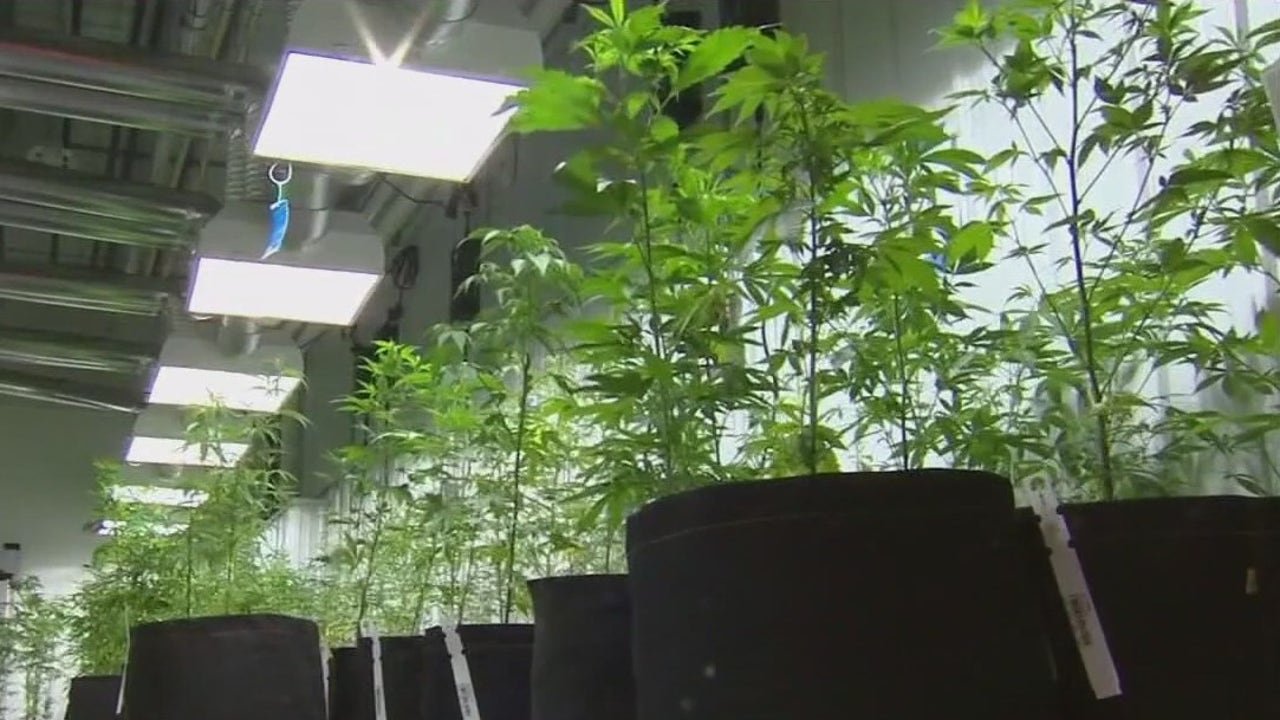
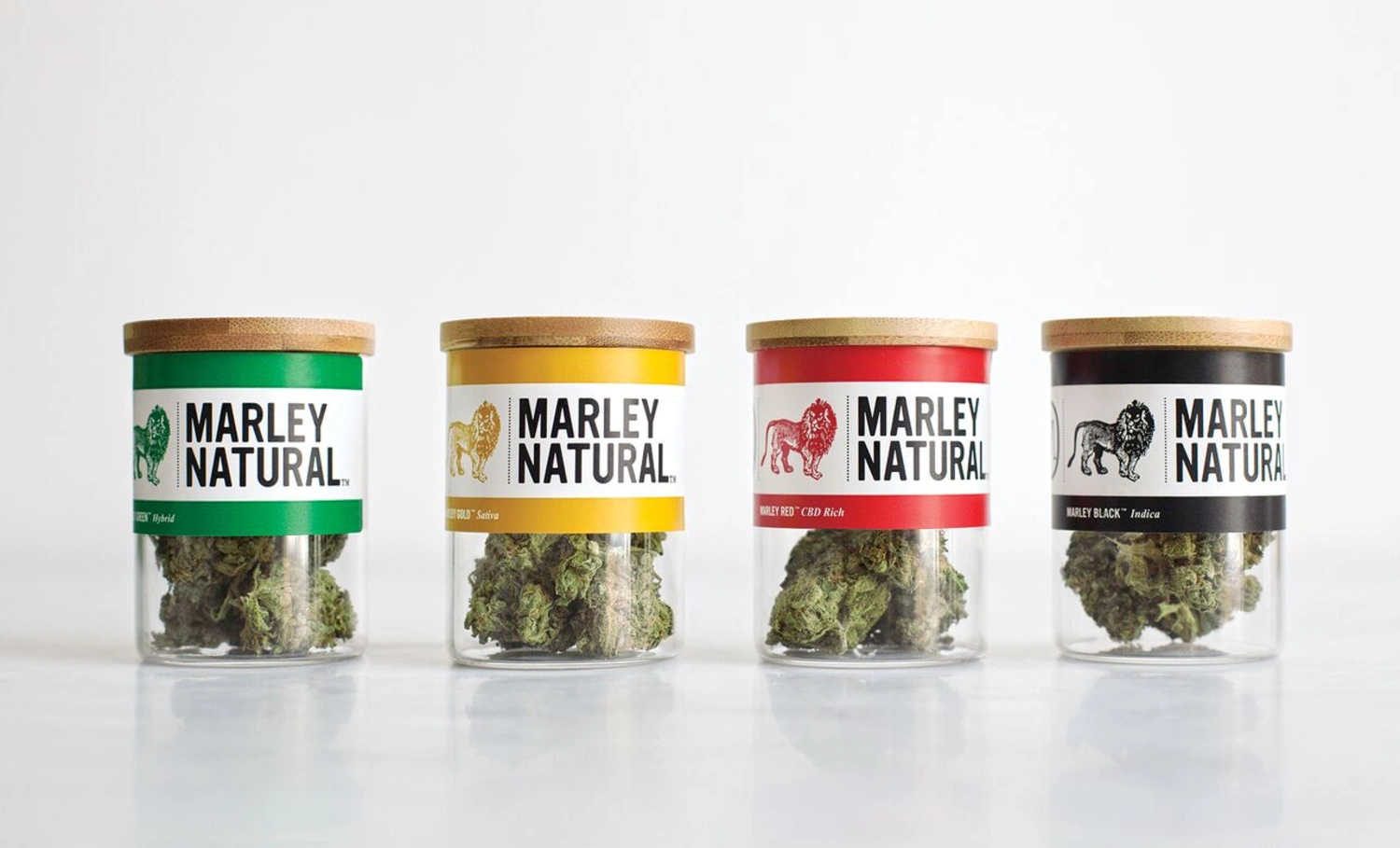
In a related development, the White Earth Nation recently opened Minnesota’s first legal recreational marijuana store outside of a reservation, with plans for additional locations. This move follows a significant agreement signed by Governor Walz that allows the tribe to operate up to eight retail cannabis shops statewide. Minnesota’s cannabis legalization law, passed in 2023, enables tribes to enter the market ahead of state licensing processes.
Since the law took effect, several tribal governments have begun establishing cannabis businesses, including the Red Lake Band of Chippewa Indians and the Leech Lake Band of Ojibwe. Concurrently, more than a dozen cities and counties are applying for licenses to operate their own cannabis retail outlets.
At least 13 municipalities have submitted applications to the state Office of Cannabis Management (OCM) for approval to open government-run stores. For example, the city of Anoka has initiated construction of a $2.7 million facility but is awaiting final approval from state regulators. Other areas like St. Joseph and Osseo are also planning to launch dispensaries once they secure their licenses.
Minnesota requires local governments to allow at least one cannabis store for every 12,500 residents, although they can limit the total number of retailers in their areas. The OCM anticipates that municipal stores could start opening as early as this summer.
In separate matters, a state appeals court is deliberating on whether officials can prosecute tribal members for cannabis-related crimes committed on tribal land. This case involves a White Earth citizen accused of selling cannabis from a tobacco store located on reservation land. Additionally, state officials have postponed plans for safe drug consumption sites, stating further work is needed to ensure these services can be safely implemented. There are also legislative efforts underway to establish legal access to psilocybin for medical purposes, along with proposals to decriminalize personal use and possession of psilocybin among adults.

 Czech
Czech  English
  Spanish
  German