
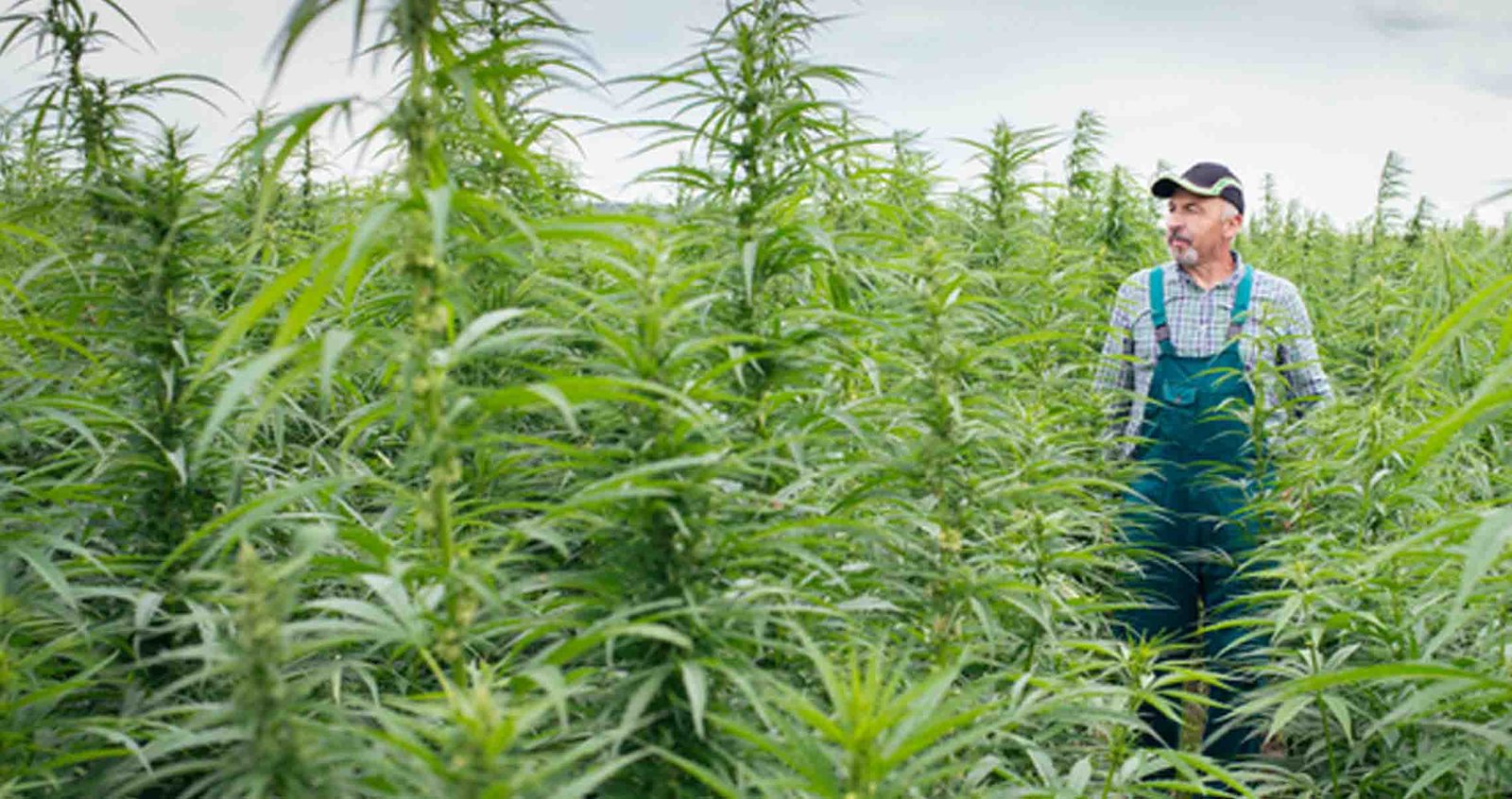
The U.S. Small Business Administration (SBA) has reinstated a policy that disqualifies many hemp and marijuana-adjacent businesses from essential federal loan programs. This updated policy, effective June 1, disproportionately impacts businesses selling hemp-derived consumables like food, supplements, and cosmetics.
Historically, the SBA’s loan programs, including the 7(a) and 504 programs, have been vital for small business financing, offering sources of funding for growth and job creation. However, the recent policy reversal returns to the stricter stance taken in 2020, limiting financial support for operators involved with consumable hemp products.
Since the Agricultural Improvement Act of 2018 legalized hemp at the federal level, the SBA has modified its policies multiple times, reflecting the ongoing tension between federal and state regulations. The SBA’s policy history reveals a pattern of increasing restriction:
– **April 2019**: The SBA acknowledged that hemp businesses complying with federal law could access loans. – **October 2020**: A more detailed policy emerged, requiring lenders to verify compliance with applicable laws, including specific guidance for CBD businesses. – **August 2023**: This policy eliminated references to hemp, stating that loans were unavailable to businesses engaged in federally illegal activities, explicitly mentioning marijuana. – **November 2023**: Further removed marijuana references. – **June 1, 2025**: The current policy reinstates and expands on the previous restrictions, specifically targeting consumable hemp products.
The new policy states that adding CBD to any human or animal food, dietary supplement, or certain cosmetics is prohibited under the federal Food, Drug, and Cosmetic Act (FD&C Act). As a result, many compliant businesses will find themselves ineligible for SBA loans.
This policy change significantly undermines small operators who depend on these loans for financial stability. Well-funded companies may secure private investments, but smaller, independently owned businesses often rely on SBA programs for survival. The hemp market’s existing volatility suggests that denying access to capital will push out smaller operators, consolidating industry control among larger companies.
The FDA has not effectively enforced the FD&C Act regarding consumable hemp products, allowing the market to grow despite existing noncompliance issues. With this new SBA policy, the burden of compliance shifts to lenders, effectively creating a barrier for hemp businesses seeking loans.
Lenders now must evaluate several factors to determine eligibility: 1. **Source of CBD**: Distinguishing between hemp and marijuana-derived products. 2. **Product Type**: Identifying whether products are for topical or ingestible use. 3. **Health Claims**: Scrutinizing any therapeutic or medical claims made. 4. **Compliance with Laws**: Ensuring adherence to all federal, state, and local regulations, which many businesses will fail due to the FD&C Act’s prohibitions.
Additionally, the SBA’s language broadly disqualifies businesses that generate any revenue from marijuana-related activities, creating ambiguity that may lead to overly cautious interpretations by lenders. This could exclude many ancillary businesses that do not directly handle cannabis but support the industry in various ways.
For example, service providers for cannabis companies, hydroponic suppliers, and even compliance consultants may face disqualification under the SBA’s new policy. This vague categorization raises concerns about fair access to loans for businesses that operate legally under state law.
Hemp businesses operating solely within state lines and compliant with local regulations may still qualify for loans, but they will face intense scrutiny from lenders. Furthermore, the SBA’s prohibition extends to businesses selling marijuana-related paraphernalia, which may legally operate in states where such sales are permitted.
The SBA’s policy indicates a troubling trend where cannabis-related businesses, even those compliant with state and federal law, face barriers due to perceived risks associated with the industry. The implications of this policy extend beyond the SBA, as other federal agencies might adopt similar restrictive measures that could further isolate the cannabis market.
As the SBA places the burden of legal interpretation on lenders, many may choose to avoid risk entirely, leading to an environment where compliant hemp businesses struggle to access necessary funding. This policy shift underscores the fragility of the hemp industry, highlighting the need for clarity and stability in cannabis regulations.


 English
  Spanish
  German
  Czech
Czech