Virginia lawmakers reached a cannabis legalization deal that would open a regulated adult-use retail market by July 1 next year. The compromise sets an initial 6% excise tax on retail sales and limits the number of licensed stores to 350, with detailed licensing rules to be set by the Cannabis Control Authority.
The measure emerged amid an intense budget fight that could yield Virginia’s first state government shutdown if leaders do not finalize spending plans before the deadline. Senate leaders and the governor have proposed competing budget proposals; negotiators say a failure to agree by the end of the month could interrupt paychecks for teachers, state police and other state employees.
Senate budget language tied to the cannabis deal includes a new tax on data centers calculated by the number of backup generators at each facility. Senate leaders say the generator-based tax should raise “billions of new dollars” and would replace some federal funding shortfalls, allowing lawmakers to restore programs and provide a 4% raise for state employees. Majority Leader Scott Surovell said the Senate budget funds an additional 1% raise compared with the House plan, at a cost of roughly $1.1 billion per year.
The Senate proposal keeps a controversial sales tax exemption in place “for now,” while adding the data center tax revenue as a funding source. Republican lawmakers criticized the package for not delivering direct tax cuts to residents and warned that the executive branch lacks a public plan for an imminent shutdown. Minority Leader Ryan McDougle said his GOP colleagues were concerned about the state’s preparatory steps if a shutdown occurs.
Key elements of the cannabis deal – Effective date: retail market targeted to open July 1 next year. – Initial excise tax: 6% on retail cannabis sales. – Retail cap: 350 licensed retailers; the Cannabis Control Authority will allocate licenses and set operational rules. – Regulatory authority: Cannabis Control Authority will establish licensing procedures, compliance requirements and retail location limits under guidance from the legislature.
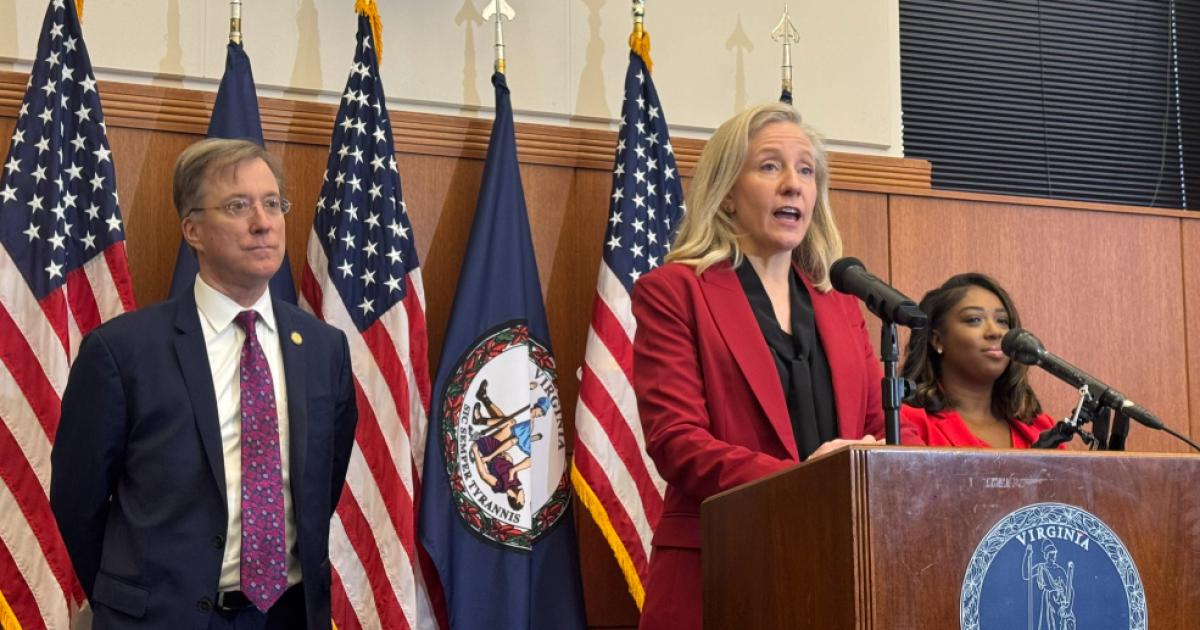
Lawmakers presented the cannabis package Tuesday morning alongside budget negotiators. U.S. Rep. Jennifer Wexton and other officials joined the announcement, framing the compromise as a way to create a legal market while limiting rapid retail expansion. The cap of 350 stores is a concrete limit intended to control market growth in the short term; officials said the Cannabis Control Authority will decide how many licenses each region receives and how to phase in retail operations.
Financial trade-offs and political dynamics Senate negotiators argue the low 6% excise tax and retailer cap strike a balance between launching a legal market and preventing an immediate oversupply of retail outlets. At the same time, the new taxes on data centers are presented as the primary revenue source to offset federal cuts and to fund employee pay increases. Surovell estimated the additional 1% pay raise funded by the Senate plan will cost about $1.1 billion annually.
Republican critics point to the lack of consumer tax relief and to the ongoing disagreement between the House, Senate and governor over overall spending priorities. Democratic lawmakers in both chambers acknowledged internal disputes; State Sen. Louise Lucas described intraparty debate as healthy, while Finance Secretary Mark Sickles warned negotiators that time was short and called the situation an emergency.
Next steps and implementation timeline If lawmakers approve final budget language and the cannabis bill, the Cannabis Control Authority will begin rulemaking and license distribution. That agency will establish application windows, licensing fees, retail compliance standards and regional license allocation. Retail operators must apply for and receive state licenses before opening; local governments will retain zoning and local permitting authority.
Until the budget is signed, the state remains at risk of a partial or full shutdown that could delay administrative steps needed to roll out a legal cannabis market on schedule. Negotiators say they will continue discussions through the deadline; supporters of the compromise argue the 6% tax and 350-store cap give regulators clear, measurable parameters as they craft licensing rules.
The deal ties a new regulated retail cannabis market directly to broader fiscal decisions. Lawmakers must now finalize the budget language, enact licensing rules, and set a timetable for retail licensing to meet the July 1 target while also avoiding a government shutdown that could interrupt state services and payrolls.