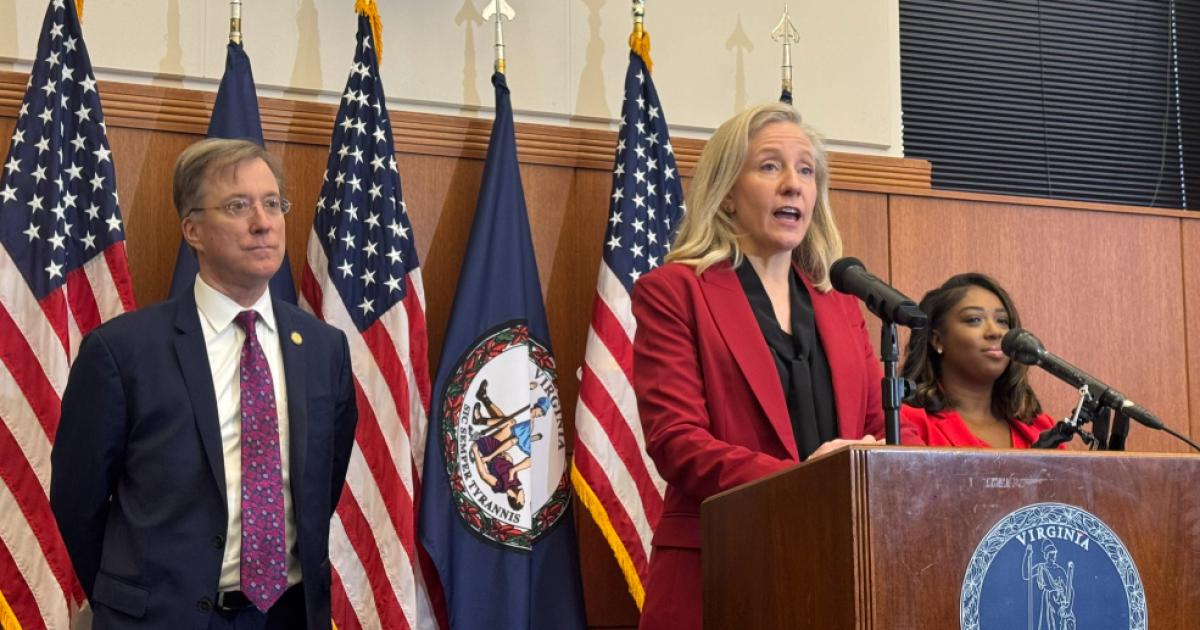
Virginia advances cannabis legalization with a compromise announced June 16 that sets specific taxes, license limits and a public-use penalty as lawmakers race to finalize a budget by July 1. Governor Abigail Spanberger and negotiators from the House and Senate outlined terms intended to launch a regulated retail market next summer and direct revenue to education and health programs.
Key provisions – Launch timing: Retail sales would begin in July 2027 if the compromise is included in the budget approved by July 1. The bill language sets the market start in summer 2027, after an additional legislative session window for changes. – Sales tax: A state-level sales tax starts at 6% on retail cannabis sales, increases to 8% in 2029, and deposits into the general fund. Lawmakers have earmarked the revenue for K-12 and early childhood education, substance abuse treatment and public health campaigns. – Local tax authority: Local governments can levy an additional local sales tax of several percentage points (exact local caps to be defined in the final bill). – Retail licenses: The plan allocates 350 retail licenses to be issued over time. A subset of those licenses will be reserved for an equity program targeting people and communities harmed by past marijuana enforcement. – Public consumption penalty: The compromise creates a $250 civil fine for public cannabis consumption. The penalty is civil rather than criminal and would not take effect until the market opens, giving legislators time to reassess enforcement outcomes.
Why supporters approve Advocates for legalization praised the agreement for creating a regulated retail market with explicit equity provisions. Chelsea Higgs Wise of Marijuana Justice said negotiators produced a framework that advances equity and rolls back some criminal penalties previously proposed by the governor. Advocates pointed to the 350-license cap and the equity reservations as concrete measures to expand business access to those affected by prior enforcement.
Why critics remain concerned Civil-rights and community groups flagged the $250 public-consumption fine as a likely source of unequal enforcement. Chelsea Higgs Wise and others said, based on historic enforcement patterns, the fine could be applied disproportionately to Black Virginians. Legal observers and some negotiators counter that the fine’s civil status and modest dollar amount make frequent prosecutions unlikely: one source compared it to a red-light ticket, suggesting many cases would be dismissed or receive minimal court resources.
Lawmakers weigh enforcement capacity and next steps Republican Senator Ryan McDougle of Hanover, who opposed the retail market, noted local prosecutors already have limited resources and questioned whether they would pursue civil fines aggressively. Democratic Senator Lashrecse Aird of Petersburg, a negotiator on the compromise, emphasized that the public-consumption penalty would only apply after the market opens and after another legislative session—creating an opportunity to monitor enforcement data and adjust the law if needed.
Revenue and allocation details The state sales tax revenue will flow into the general fund but has been earmarked for explicit programs: K-12 and early childhood education, substance abuse treatment and public health campaigns. The bill directs funds to those categories rather than creating a separate cannabis fund. Localities will retain the option to add local taxes, which could increase the total tax on retail cannabis in individual jurisdictions.
License rollout and equity program Lawmakers agreed to cap initial retail outlets at 350 licenses, divided across creation timelines and regulatory stages. The bill includes an equity program that reserves a portion of licenses for applicants from communities disproportionately affected by past marijuana enforcement. The final implementation rules—application criteria, timeline for award, and the split between new and existing operators—will be set by regulators and in subsequent legislative language.
Budget deadline and timeline For the compromise to take effect, negotiators must include it in the state budget both chambers and the governor approve by July 1. If included, retail cannabis sales would begin in July 2027. The delay between budget approval and market start allows regulatory agencies to write rules, assign licenses, and set up compliance and monitoring systems.
What to watch next – July 1 budget vote: Inclusion of the compromise in the budget triggers the implementation timeline. – Regulatory rulemaking: Agencies will define application windows, license criteria and local tax mechanisms. – Enforcement data: Lawmakers and advocacy groups expect to track public-consumption citations after the market opens; the penalty’s civil nature and delayed start leave room for changes during the next legislative session.
Bottom line The compromise creates a concrete framework: a 6% state sales tax rising to 8% in 2029, 350 retail licenses with an equity set-aside, and a $250 civil fine for public use. Supporters say the package launches a regulated market and advances equity; critics warn the public-use penalty risks unequal enforcement. Final implementation hinges on the July 1 budget vote and subsequent regulatory decisions.