
cannabis legalization in Virginia moves forward after Gov. Abigail Spanberger and legislators announced a budget compromise that would permit retail marijuana sales beginning July 1, 2027. The agreement sets tax, store-cap and public-use penalties aimed at launching a regulated market while limiting rapid expansion.
Under the deal, the state will impose an initial 6% excise tax on retail cannabis sales. Localities may add an additional tax ranging from 1% to 3.5%. Lawmakers capped the number of retail licenses at 350 statewide. The compromise replaces Spanberger’s earlier proposal to criminalize public consumption with a $250 civil fine for public use.
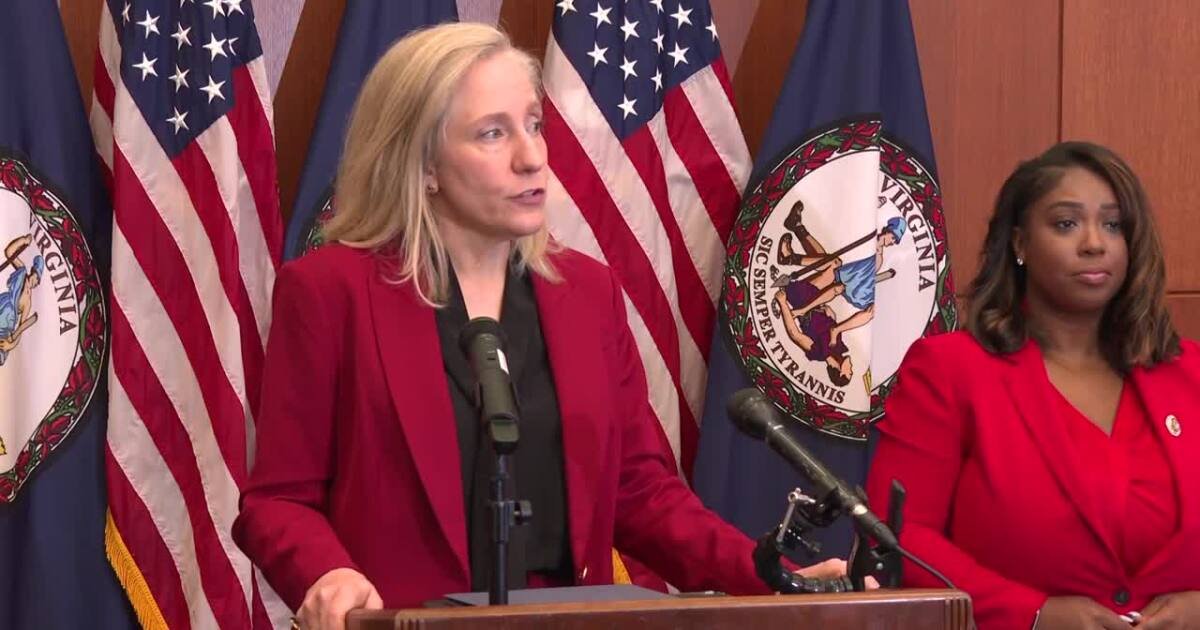
Spanberger said the changes reflect months of negotiation after she vetoed earlier legislation this year. “Virginians have been waiting a long time for policy makers and a governor who wanted to do this and get it right,” she said at a Tuesday press conference, framing the agreement as a targeted, controlled rollout.
The deal responds to two policy gaps that have existed since Virginia decriminalized simple possession in 2021 for adults 21 and older. Possession has been legal for five years, but retail sales have remained in legislative limbo amid competing proposals over licensing, taxation and public-use rules.
Advocates and small-business supporters offered cautious reactions. Virginia NORML’s Executive Director JM Pedini said the group remains concerned about the increased civil penalty for public consumption but called other provisions encouraging. Local business owner Dustin Weekley said he hopes to obtain a retail license and praised the safety benefits of regulated, tested product and limits on large corporate control.
“The legalization of it I think it is going to be great. It’ll be controlled. People don’t have to worry about having other illicit drugs in their marijuana,” Weekley said. He added that the $250 fine strikes a balance: it avoids criminal penalties while discouraging public smoking near children.
Lawmakers designed the 350-store cap to slow initial market growth and allow regulators to monitor licensing, compliance and public safety outcomes. Regulators will set licensing criteria, but the budget framework leaves many implementation details to administrative rulemaking once the spending plan is finalized.
Negotiations over the broader state budget remain unresolved. Legislators face a separate impasse over rules governing data centers, and the budget must be finalized by the June 30 deadline. Lead budget negotiators said they are close to a deal on the overall spending plan; Monday’s press conference outlined how the cannabis provisions would be folded into that agreement.
Former Gov. Glenn Youngkin vetoed previous bills that would have allowed non-medical sales; Spanberger vetoed a separate legalization bill earlier this year before reaching the current compromise with lawmakers. If enacted in the budget, the retail framework would carry the force of law without a standalone legalization bill.
Key numeric elements of the compromise: – Effective date for retail sales: July 1, 2027 – State excise tax: 6% initial rate – Local tax: 1% to 3.5% additional – Retail store cap: 350 statewide – Public consumption penalty: $250 civil fine
Supporters say the staggered approach gives regulators time to set testing, packaging and advertising rules and to study public safety impacts. Opponents, including some advocacy groups, criticized the civil penalty increase and the limited number of retail licenses, arguing both could constrain small operators and continue inequities from past cannabis enforcement.
Next steps: budget conferees must finalize the state spending plan before the June 30 deadline and include the cannabis language. If the budget passes with these provisions, regulators will begin rulemaking and licensing processes ahead of the July 2027 start date.
The compromise marks the most specific plan yet to move Virginia from legal possession to a regulated retail market. It ties concrete limits and tax rates to a multi-year rollout, creating quantifiable markers regulators and local governments can use when drafting implementing rules.