Winston-Salem is positioning itself to expand medical cannabis research, using Wake Forest’s neuroscience and the city’s biotech infrastructure to run clinical trials and real-world studies. That shift follows centuries of therapeutic use, growing clinical evidence for specific indications, and a regulatory landscape that still constrains researchers.
Humans have used cannabis as medicine for millennia. Ancient Chinese physicians prescribed it for pain, rheumatism and digestive complaints. Ayurvedic texts in India recorded treatments for anxiety, insomnia and muscle spasm. Persian and Middle Eastern physicians recommended cannabis for headaches and seizure disorders. In the U.S., cannabis appeared in the U.S. Pharmacopeia until 1942. Federal campaigns in the 1930s and 1940s, led in part by Federal Bureau of Narcotics chief Harry Anslinger, shifted public policy and perception. The plant later received Schedule I status under federal law, which classifies it as having no accepted medical use and tightens research controls.
Modern science treats cannabinoids as distinct compounds, not a single drug. The plant contains more than 100 cannabinoids; two of the best-studied are THC (tetrahydrocannabinol) and CBD (cannabidiol). These molecules interact with the body’s endocannabinoid system, which regulates pain, mood, inflammation and immune responses. Clinical studies and systematic reviews show measurable benefits in several areas: chronic neuropathic pain, chemotherapy-induced nausea, multiple sclerosis–related spasticity, and specific pediatric seizure disorders. The drug Epidiolex (a purified CBD formulation) holds FDA approval for certain severe childhood seizure syndromes. Synthetic or purified cannabinoid medications such as dronabinol (Marinol), liquid dronabinol (Syndros), and nabilone (Cesamet) also carry FDA approvals or market authorizations for nausea and appetite stimulation in defined patient groups. Nabiximols (Sativex) is approved in many countries for MS spasticity but not in the United States.
Evidence strength varies by indication. Meta-analyses report moderate-quality evidence for neuropathic pain reduction and short-term improvement in MS spasticity. For anxiety and sleep disorders, trials show mixed results: low-to-moderate doses of CBD can reduce anxiety measures in some trials, while higher THC doses often worsen sleep quality or produce anxiety. Dose, formulation, and patient condition materially affect outcomes.
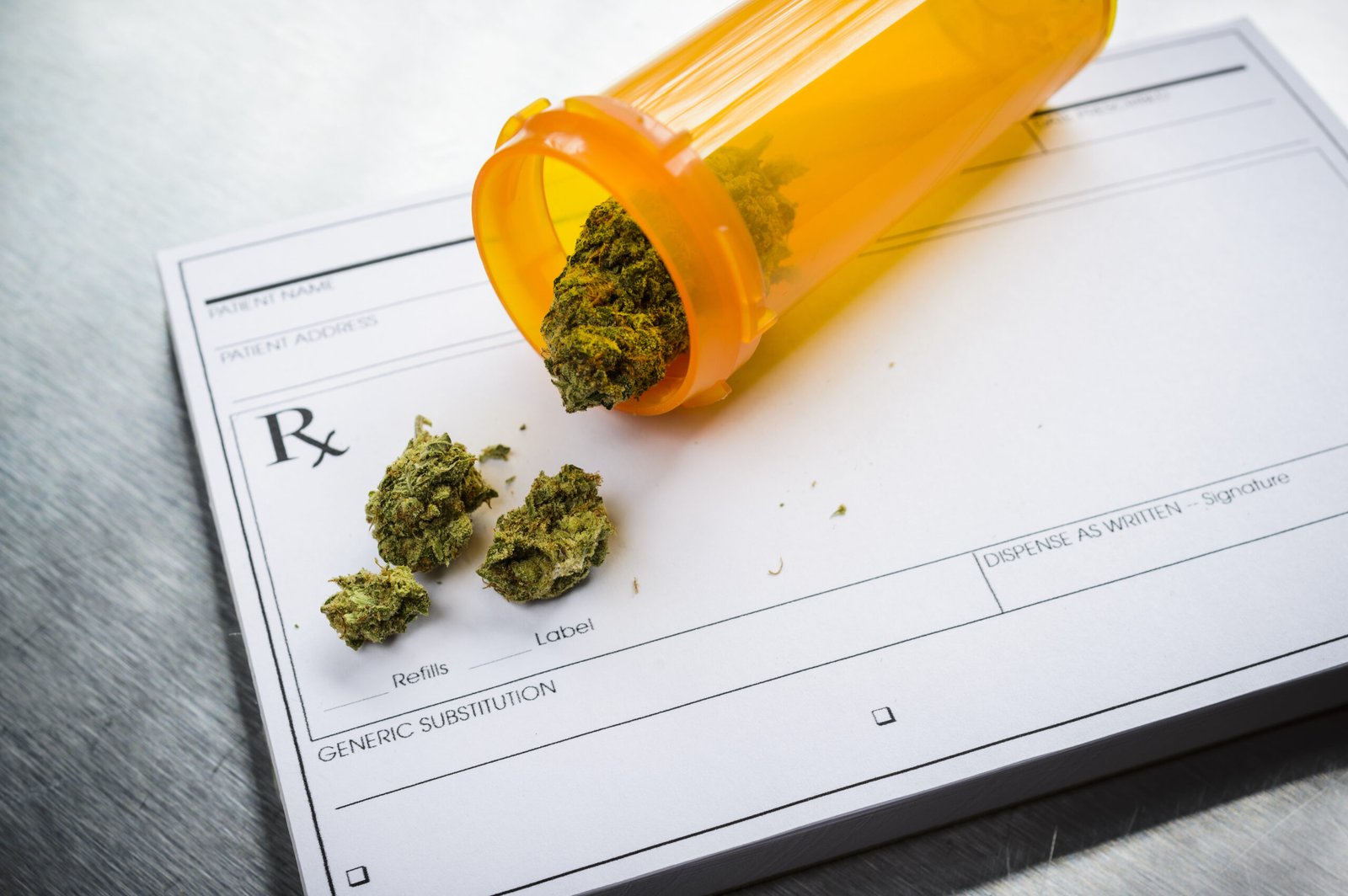
Regulatory status shapes research and market access. Cannabis plant products remain Schedule I at the federal level, which requires extra approvals, limits available study material, and slows multi-site clinical trials. In contrast, approved cannabinoid pharmaceuticals follow standard FDA pathways, receive billing codes, and are often reimbursed by insurers. That creates divergent patient costs: state-run medical cannabis programs commonly require out-of-pocket payments, while prescription cannabinoid drugs may be covered. Reports indicate that branded cannabinoid pharmaceuticals can cost up to $1,200 per month for some patients, while retail medical cannabis costs vary widely by state and product.
Pharmaceutical companies are already active in the cannabinoid space. They publish clinical trial data, file patents on formulations and delivery systems, and market approved products through established channels. If federal scheduling changes, expect larger pharmaceutical investment, more patented formulations, standardized dosing, broader insurance coverage, and clinical trials in partnership with academic centers.
Winston-Salem’s research ecosystem offers concrete assets for that next phase. Wake Forest School of Medicine maintains active programs in neuroscience, pain management, addiction research, pharmacology and public health—disciplines directly relevant to cannabinoid studies. The Innovation Quarter hosts biotech startups and clinical research labs that can run phase II and III trials, pharmacokinetic studies and translational research. Local clinicians already treat patients with chronic pain, cancer-related symptoms and neurological disorders who could enroll in observational studies and controlled trials.
A practical research agenda for the city could include: randomized trials comparing cannabinoid formulations for neuropathic pain measured by standardized pain scales; pragmatic trials tracking quality-of-life and medication use among patients in medical cannabis programs; pharmacology studies on drug interactions between cannabinoids and common prescriptions; and population-level analyses of opioid prescription rates before and after expanded cannabinoid access. Those studies would produce numeric outcomes—effect sizes, percentages of responders, changes in opioid prescriptions per 1,000 patients—that policymakers and payers can evaluate.
Local policymakers and state legislators control key variables: access to research-grade plant material, state-level research approvals, and funding for clinical infrastructure. Without policy changes that simplify federal and state research hurdles, Winston-Salem’s laboratories will face the same procurement, approval and regulatory bottlenecks present elsewhere.
Decisions by city and state leaders will determine whether Winston-Salem runs trials, attracts industry partnerships and captures related jobs and grant funding, or remains a bystander while other cities host clinical sites and corporate labs. Researchers can deliver measurable data—trial enrollment numbers, clinical outcome statistics, and economic impact estimates—to inform healthcare providers, insurers and legislators.
Medical history, clinical evidence and commercial interest now converge on cannabis. For patients with neuropathic pain, chemotherapy nausea and specific seizure disorders, cannabinoid-based treatments already change clinical care. If Winston-Salem aligns university expertise, clinical infrastructure and policy, it can test new formulations, quantify outcomes, and compete for pharmaceutical partnerships. That will require explicit policy choices about research access and funding rather than extended debate over cannabis’ cultural symbolism.