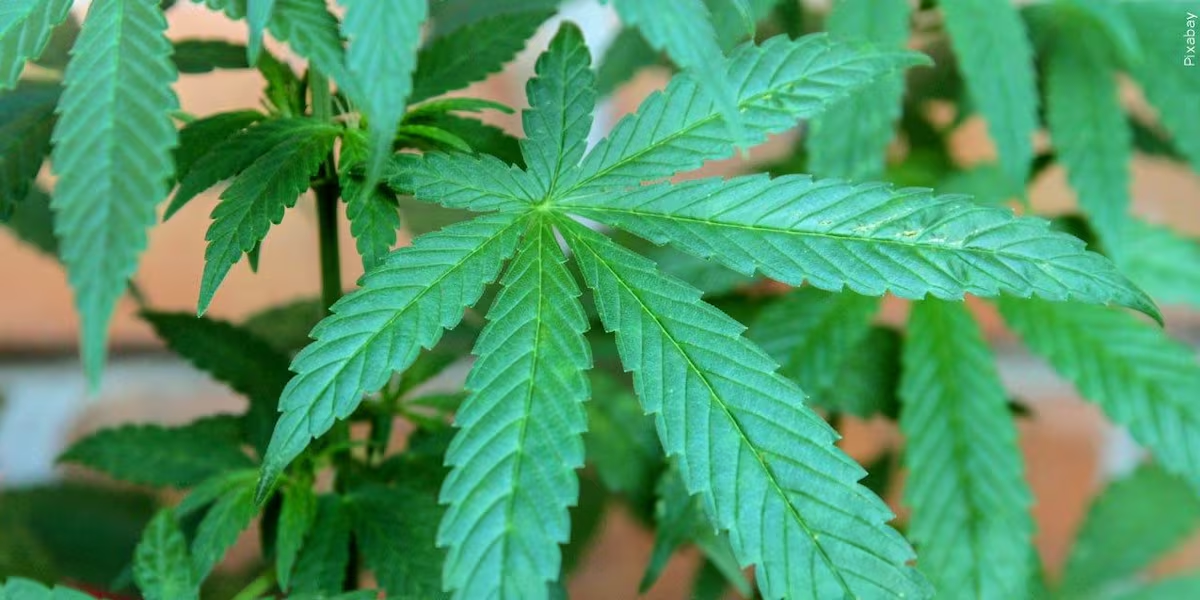

Massachusetts lawmakers are set to discuss a new cannabis bill that includes 45 proposed amendments focusing on various aspects of marijuana regulation. The House will consider these amendments, which aim to impose potency limits on cannabis products, allocate tax revenue for special education, and introduce advertising restrictions.
One notable proposal, Amendment #6 by Rep. Marcus Vaughn from Wrentham, seeks to establish limits on the THC potency of legal marijuana. This amendment stipulates that cannabis flower cannot exceed 30% THC. For concentrated products and vaporizers, the proposal sets a maximum of 5 mg THC per serving and also prohibits the use of sweeteners and flavoring agents in inhaled products. Vaughn’s aim is to address concerns over the increasing potency of cannabis and its potential mental health effects.
Another key amendment, proposed by Rep. Francisco Paulino, aims to allocate 20% of the state’s cannabis excise tax revenue—projected to exceed $57 million annually—to support special education programs. This revenue would be directed into a new trust fund to assist school districts in managing rising costs associated with special education. Paulino emphasized that this funding would supplement existing reimbursements rather than replace them, with administrative costs capped at 5%.
In addition, Rep. Michael Day of Stoneham introduced an amendment requiring retailers selling hemp-based beverages to also hold a license for selling alcoholic beverages that are not consumed on the premises. This follows the growing popularity of hemp drinks, which are often sold in convenience stores and are restricted to adults aged 21 and older under the existing bill.
Rep. Patrick Kearney from Scituate filed Amendment #23 to create a commission focused on the mental health impacts of THC consumption. This commission will examine the links between high-potency THC and mental health disorders such as anxiety, depression, and psychosis, particularly in young adults. The commission will also explore the possibility of implementing a targeted excise tax on THC products to fund public health awareness campaigns.
House Speaker Ronald Mariano indicated that addressing the internal challenges at the Cannabis Control Commission (CCC) is a priority. However, Senate leaders have not shown the same urgency regarding these issues. The House is scheduled to begin its discussions on the bill at 11 a.m. Wednesday, although debates on specific amendments typically start later in the afternoon.
As Massachusetts continues to refine its approach to cannabis regulation, these proposed amendments reflect ongoing concerns about public health, education funding, and the implications of high-potency cannabis products.