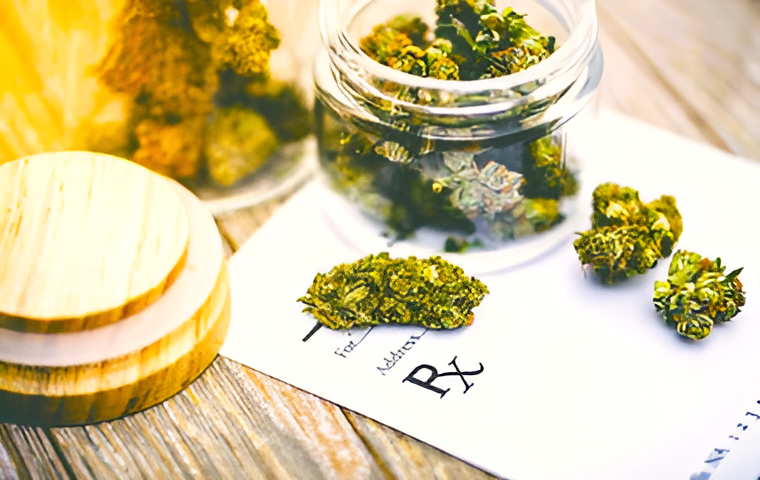

The rate of cannabis use among older adults in the United States has risen significantly, climbing from 4.8% in 2021 to 7% in 2023, according to a study published in JAMA Internal Medicine. This increase reflects a growing trend in cannabis consumption among adults aged 65 and older, based on a cross-sectional study involving nearly 15,700 participants.
Researchers, led by Dr. Benjamin Han from the University of California San Diego School of Medicine, noted that certain demographic groups experienced even more pronounced increases. For instance, older adults identifying as ‘other’ race saw their cannabis usage surge from 1.6% in 2021 to 7.4% in 2023. Other notable demographic shifts included: – White adults: increased from 5.1% to 7% – Women: increased from 3.2% to 5.3% – Individuals with a college or postgraduate degree: increased from 4.9% to 8.3% – Adults with an annual income of $75,000 or more: increased from 4.2% to 9.1% – Married adults: increased from 3.8% to 7.4% – Residents in states with legalized medical cannabis: increased from 5.4% to 7.9%.
The study also linked increased cannabis use to various health conditions. For instance, usage among older adults with chronic obstructive pulmonary disease (COPD) rose from 6.4% to 13.5%, while those with heart conditions increased from 2.8% to 6.5%. Other health issues correlated with higher cannabis usage included diabetes (2.9% to 6.2%), hypertension (4% to 6.6%), and cancer (2.5% to 7.7%).
As cannabis use rises among older adults, researchers caution that this demographic may be more vulnerable to the adverse effects of cannabis due to age-related physiological changes and pre-existing health conditions. The authors emphasized the need for healthcare providers to screen older patients for cannabis use and to educate them about the associated risks.
Dr. Han and his team pointed out that adults with higher incomes had the lowest initial cannabis usage rates compared to other income brackets but experienced the highest prevalence by 2023. This shift may indicate better access to medical cannabis, which can be costly.
While the study highlights the rising trend, it also acknowledges mixed evidence regarding the medical benefits of cannabis for older adults. An accompanying editorial by Dr. Nathan Stall of the University of Toronto noted that research on the therapeutic use of cannabis in this age group is inconsistent across various health conditions. He outlined potential harms, such as increased risks of cardiovascular issues, cognitive impairment, falls, and drug interactions.
The authors of the study encourage healthcare professionals to engage in open discussions with older patients about cannabis use, including safe consumption methods and age-appropriate dosing guidance. They stressed the importance of evaluating how cannabis might interact with other medications and existing health conditions.
The data for this study was collected from the 2021-2023 cohorts of the National Survey on Drug Use and Health. However, due to methodological changes in the survey, it is not possible to compare these findings with data from previous years. The study population consisted of 15,689 adults aged 65 and older, with women making up 54% of the cohort.
The authors acknowledged limitations, such as the inability to capture the frequency of cannabis use or differentiate between recreational and medical use, as well as cannabinoid types.
This research reflects a broader trend in society, as older adults increasingly turn to cannabis for various reasons, including potential therapeutic benefits for chronic health conditions. As this demographic continues to grow, understanding the implications of cannabis use among older adults will be crucial for healthcare providers.