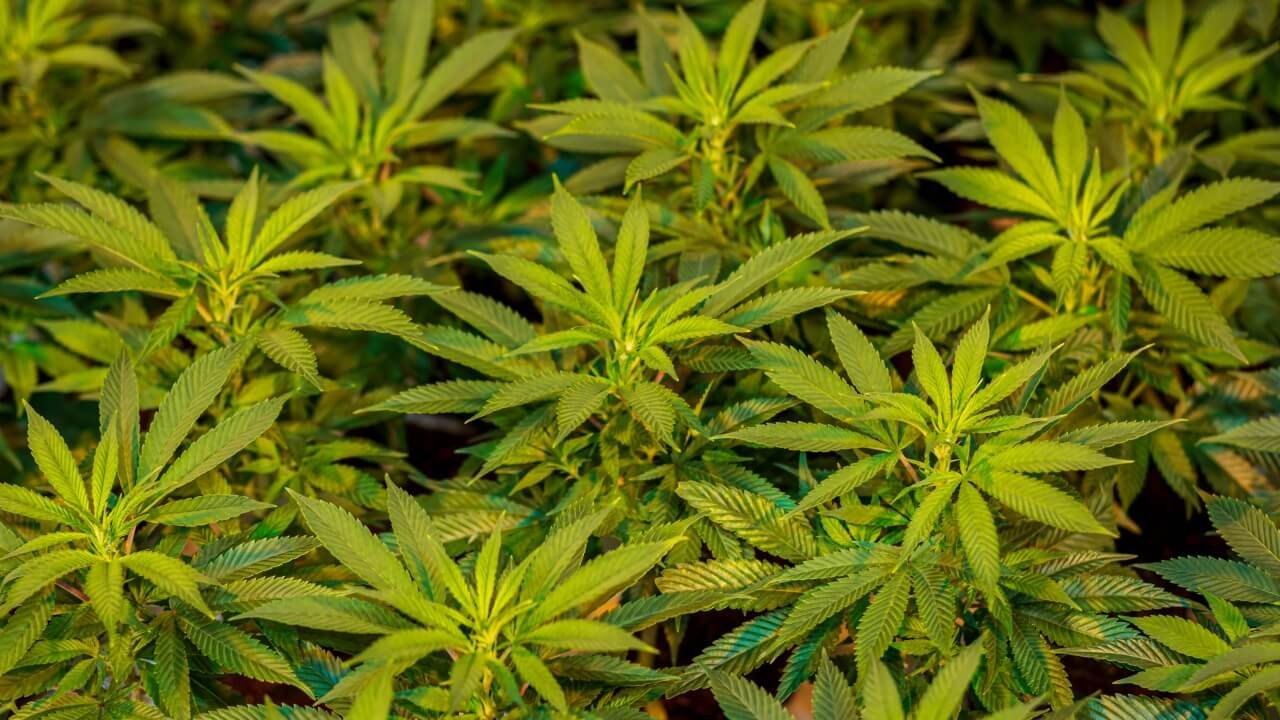

Hemp, a variety of the Cannabis sativa plant, is one of the oldest cultivated crops in human history. Its industrial use has gained renewed attention due to its numerous environmental benefits. Hemp is known for its rapid growth, requiring only a short growing season of about 90 to 120 days. During this time, it can absorb significant amounts of carbon dioxide—up to 22 tons per hectare—making it an effective tool in combating climate change.
Hemp cultivation also promotes soil health. The plant’s deep root system helps prevent soil erosion and improves soil structure, enhancing nutrient retention. Additionally, hemp can grow in various soil types and does not require chemical fertilizers or pesticides, reducing harmful runoff into local waterways.
In terms of water usage, hemp is more efficient than many traditional crops. It requires about half the amount of water that cotton needs, making it a more sustainable choice for textile production. According to research, hemp can produce high-quality fiber and seeds with fewer resources, making it an attractive alternative for farmers seeking sustainable options.
Hemp is versatile and can be used in numerous industries, from textiles and paper to biodegradable plastics and biofuels. Recent studies indicate that hemp-based materials can reduce reliance on petroleum products, aligning with global sustainability goals.
In the construction industry, hempcrete—a mixture of hemp fibers, lime, and water—has emerged as a sustainable building material. It offers excellent insulation properties, reduces carbon emissions, and is fire-resistant. Buildings made from hempcrete can help reduce energy consumption, contributing to lower overall greenhouse gas emissions.
The economic impact of hemp cultivation is also noteworthy. In 2022, the U.S. hemp market was valued at approximately $4.6 billion, with projections indicating growth to $26.6 billion by 2025. This growth is driven by increasing demand for hemp products across various sectors, resulting in job creation and new business opportunities.
Governments and organizations are now recognizing the importance of hemp in promoting sustainability. Several countries have started to implement supportive policies to encourage hemp farming, acknowledging its potential to contribute to environmental conservation efforts.
In summary, hemp cultivation presents a viable solution for enhancing environmental sustainability. Its ability to absorb carbon, improve soil health, and reduce water usage positions it as a key player in addressing some of today’s pressing environmental challenges. As awareness of these benefits grows, the future of hemp in agriculture and industry looks promising.