LC Square plans cannabis dispensary at its Adams cultivation site and aims to open within 12 months. The company, which already cultivates and manufactures cannabis products on its property, intends to convert a former weigh station — an outbuilding measuring under 700 square feet on the south side of the lot — into a retail storefront.
Company plans and site details LC Square filed plans to adapt the small outbuilding into a retail space. The structure’s footprint, under 700 sq ft, will limit sales floor area and likely require a compact layout for product displays, point-of-sale, and secure storage. The company told local media it expects to complete permitting and build-out work and begin retail operations within the next 12 months.
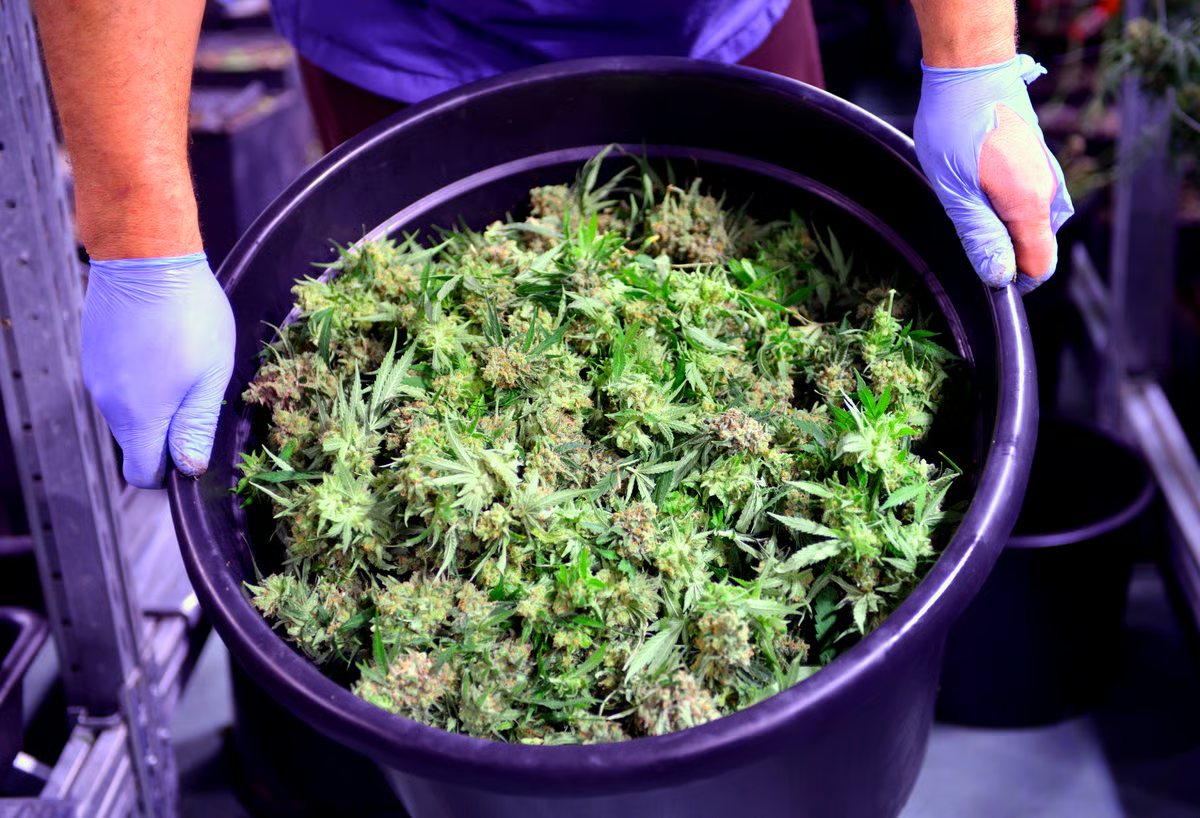
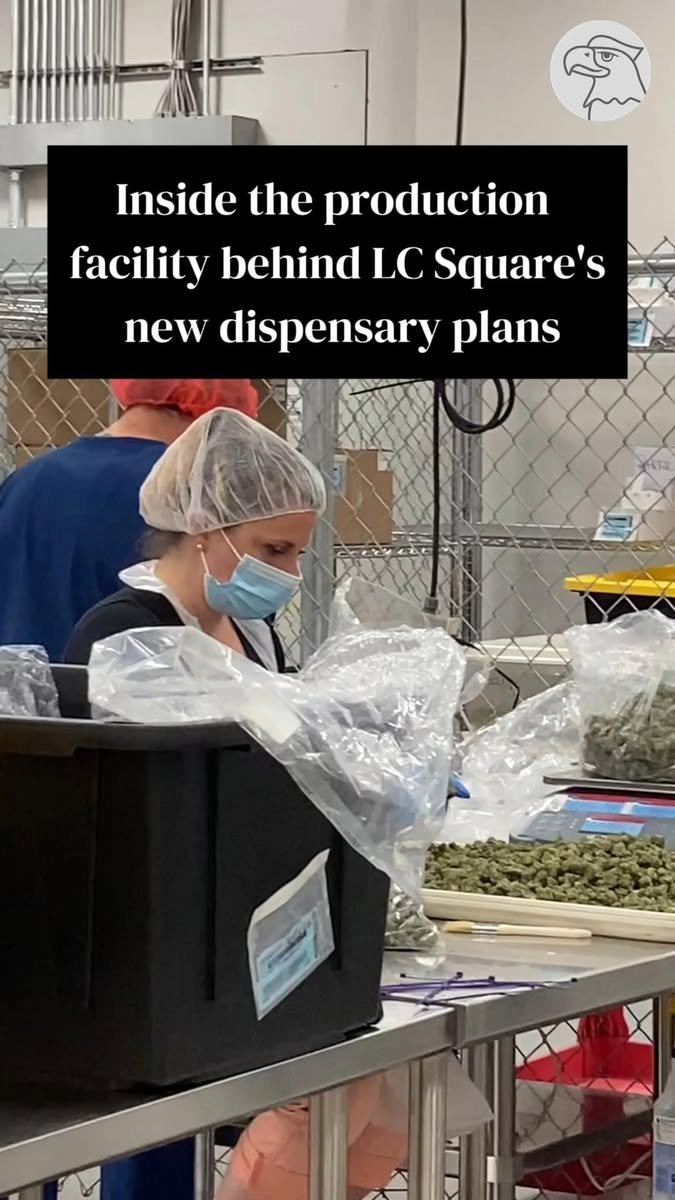
Existing operations and business rationale LC Square currently grows cannabis and operates manufacturing on the same property. Adding a retail location would allow the company to sell directly to adult-use customers from the same site where it produces products. Selling on-site can reduce the need to transport product to third-party retailers and gives the company direct control over retail pricing and inventory decisions, subject to state and local regulation.
Regulatory steps and approvals To open a retail store in Massachusetts, LC Square must secure municipal approvals and a retail license from the Massachusetts Cannabis Control Commission (CCC). Municipal steps typically include local zoning clearance, any required special permits or site plan review, and a host community agreement if the town requires one. The company also must meet state-level requirements for security, seed-to-sale tracking, testing, and recordkeeping before the CCC issues a retail license.
Timeline and constraints LC Square’s timeline — opening within 12 months — depends on a sequence of approvals: local permitting, state application review, and construction or interior build-out. Small-footprint stores can often complete interior work faster than larger builds, but the company must still install security systems, regulated storage areas, and staff training to meet CCC standards.
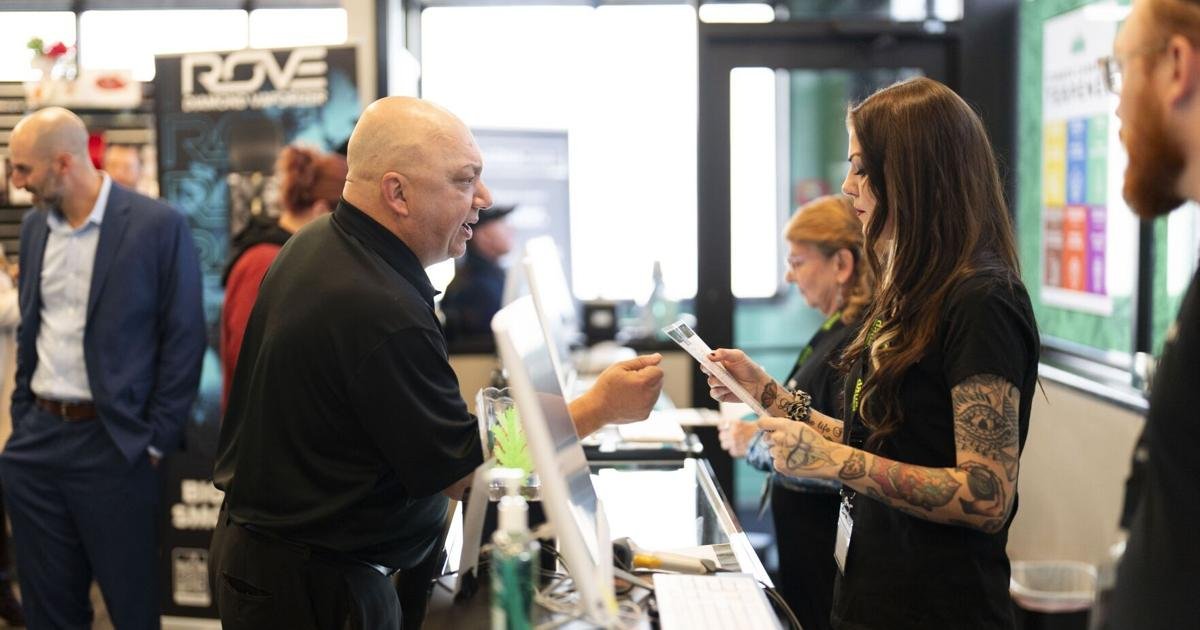
Operational impacts and customer offering A retail space under 700 sq ft will likely carry a curated selection of products rather than the full range available at larger dispensaries. Customers should expect limited floor capacity and a focus on the company’s own cultivars and manufactured items. Staffing needs for a small store will be correspondingly modest, but the site must maintain secure inventory controls and comply with state daily reporting requirements.
Community considerations Converting an existing outbuilding rather than constructing a new building reduces site disturbance and can shorten permitting timelines tied to construction. Town boards reviewing the project will assess parking, traffic flow, security plans, and proximity to restricted uses (such as schools). LC Square will need to present those details during local review meetings.
What to watch next Key milestones to watch are town zoning or planning board approvals, any special permit decisions, and the company’s submission to the CCC for a retail license. Each successful step will bring the project closer to opening; delays in approvals or in meeting state security and testing standards would push the timeline beyond 12 months.
Source and context The plan to add a retail location comes from LC Square’s filings and coverage by the Berkshire Eagle. The company’s approach reflects a trend among cultivators seeking to add on-site retail to sell their own branded products directly to consumers while remaining subject to municipal and state oversight.
Bottom line LC Square intends to open a small, on-site cannabis dispensary by converting an under-700 sq ft former weigh station on the south side of its property. The company expects to complete permitting and licensing steps and begin retail operations within the next 12 months, contingent on local approvals and final CCC authorization.