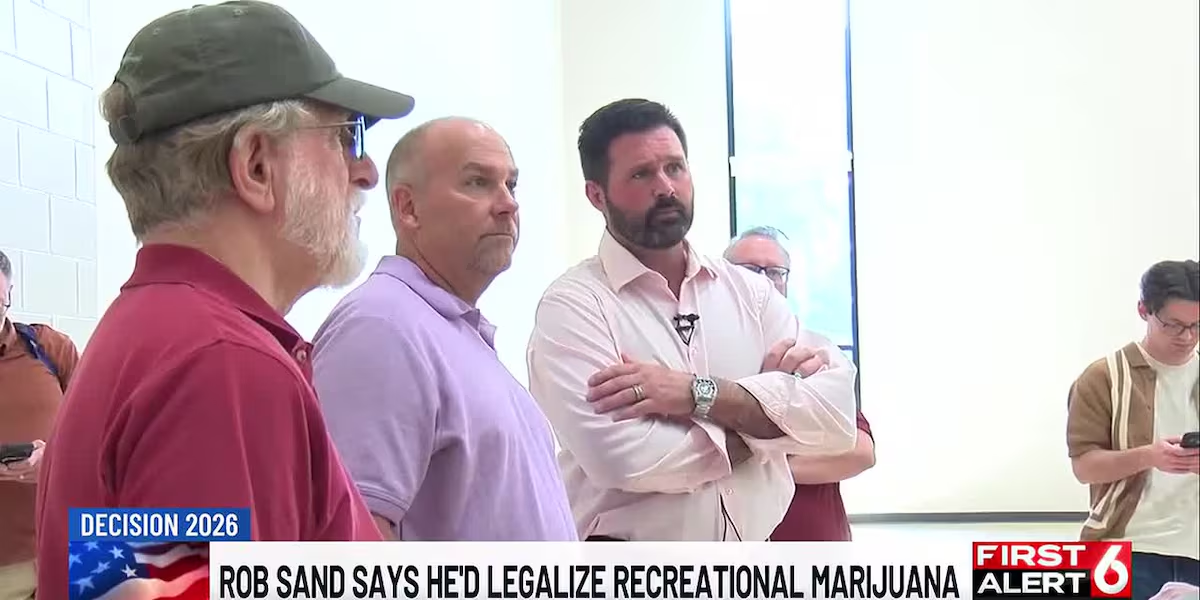
cannabis legalization is a campaign issue in Iowa after Democratic gubernatorial candidate Rob Sand said he would legalize recreational cannabis for adults. On Wednesday, lieutenant governor candidate Dave Muhlbauer toured Ember Recovery, a substance use disorder treatment center in Cambridge, and answered questions from staff, advocates and people in recovery about how legalization might affect young Iowans and treatment demand.
During the visit, Andrew Allen, CEO of Youth Standing Strong, warned that legal adult access could change youth perceptions and increase use. Allen said roughly 90% of young people who enter addiction treatment began using substances before age 18 and argued that making recreational cannabis legal for adults could lower perceived risk among adolescents. “Our concern is that legalized recreational cannabis means a reduced perception of risk, more kids potentially using, and more investments that we’re going to have to make as a state from a treatment standpoint,” Allen said.
Several people in recovery told personal stories to staff and Muhlbauer, describing early marijuana use as a stepping stone toward other substances. Those accounts underscored the treatment center’s focus on prevention, early intervention and youth services.
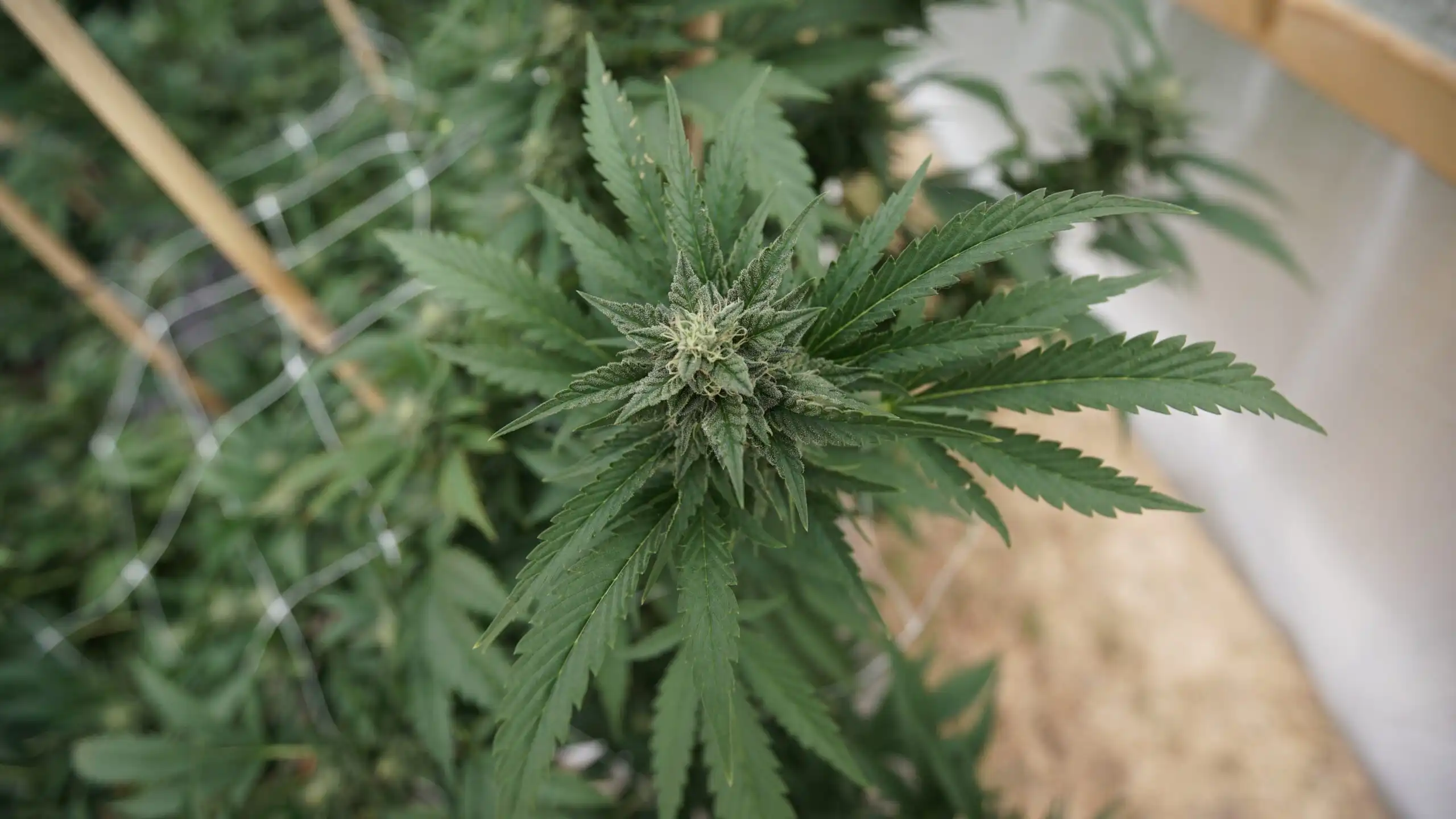
Sand’s campaign frames adult legalization as an economic measure as well as a regulatory one, saying taxed in-state sales would recapture money Iowa residents currently spend in neighboring states. Muhlbauer said that, if elected, he and Sand would regulate cannabis for adults similarly to alcohol: set a strict adult age limit, restrict advertising and marketing, ban public consumption and create a state framework for licensing and enforcement.
“I know the concerns firsthand,” Muhlbauer said, noting that his son recently received treatment at Ember Recovery for mental health needs. He told staff he supports tighter rules aimed at keeping cannabis out of schools and away from minors and emphasized prevention measures in education settings. “Truly an age limit, you know it has to be for adults very much like how alcohol is regulated. We want to put a framework around it, limit marketing and advertising, no public consumption. We realize people in Iowa are already doing it and they can go across the border and get it and bring it in,” Muhlbauer said.
Muhlbauer said one practical step to reduce youth substance use is expanding school-based prevention and support services. He advocated increasing access to counselors and evidence-based prevention programs so students can receive help before use escalates.
Republican gubernatorial candidate Zach Lahn has said he would not support legalization of recreational cannabis. Lahn’s position aligns with concerns cited by Ember Recovery staff and local advocates who pointed to possible increases in youth use and pressure on treatment systems if adult sales become legal.
At Ember Recovery, staff described current capacity and service offerings: outpatient programs, youth-specific interventions, and mental health care integrated with substance use treatment. They stressed that changes in statewide policy would require adjustments in funding, workforce training and school partnerships to prevent elevated youth caseloads.
On the regulation side, Muhlbauer outlined several concrete measures he would support: a minimum purchase age of 21, tiered licensing for producers and retailers, strict limits on marketing directed at young people, well-defined public consumption rules, and coordination with law enforcement to prevent illegal diversion across state lines. He did not provide revenue projections or specific tax rates but echoed Sand’s point that in-state sales could reduce cross-border purchases.
Advocates at the tour called for precise, enforceable rules. They requested funding increases tied to legalization revenue to expand youth treatment slots, school prevention programs and public education campaigns that quantify health risks. Local providers asked for data collection requirements in any legalization measure so the state can track changes in youth use rates, treatment admissions and emergency visits.
Muhlbauer acknowledged the need for monitoring and measurement but offered few concrete numbers beyond the 90% figure cited by Youth Standing Strong. He said the campaign would work with state health agencies and providers to design monitoring systems if legalization moves forward.
The exchange at Ember Recovery reflects a specific policy trade-off: proponents point to recapturing spending and regulating an existing underground market; opponents and treatment providers warn the state must plan for increased demand among youth and fund prevention and treatment to offset that demand. In Iowa’s governor’s race, those differences map cleanly to the two major tickets—Sand and Muhlbauer favoring adult legalization with regulatory limits, and Lahn opposing legalization outright.
The candidates will face voters’ questions on these topics as the campaign continues. Advocates at Ember Recovery said they plan to press all campaigns for detailed proposals, including dollar estimates for prevention and treatment expansions and metrics to monitor youth outcomes if policy changes occur.
Reporting note: The event occurred in Cambridge, Iowa, at Ember Recovery. Sources quoted include Dave Muhlbauer, Andrew Allen of Youth Standing Strong and Sand’s campaign statements on tax revenue and regulation. Muhlbauer referenced a personal family experience with Ember Recovery during the visit.