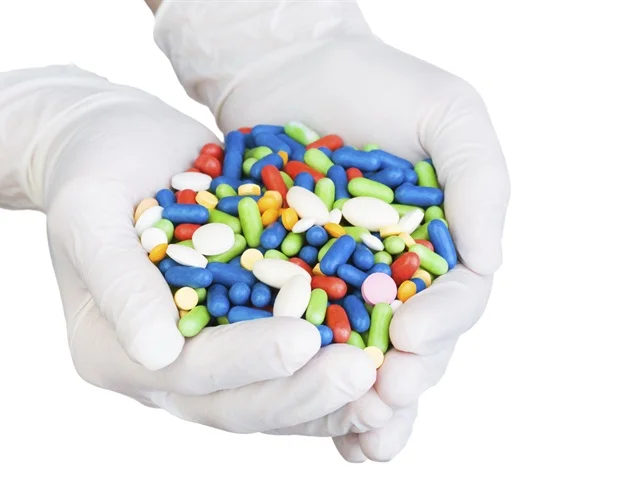

A new study finds cannabis branding increases appeal among children and teenagers by using candy-like design, bright colors and familiar snack shapes. Researchers showed participants images of packaged products commonly sold in legal markets — gummies, chocolates, mints and snack bars — and measured how packaging elements affected perceived appeal and intent to try.
Researchers tested three packaging styles: plain adult-oriented designs, clear medical-style labeling, and candy-style branding that used bright colors, cartoon characters or shapes that mimic popular sweets. Across visual-choice tasks, participants under 21 selected candy-style packages at higher rates than other designs. The authors report that candy-style branding raised product appeal scores and willingness to try by measurable margins compared with plain or medical-style packaging.
The study highlights two concrete risks. First, candy-like packaging increases the probability that a young child will try an edible by mistaking it for a snack. Second, branding that mirrors mainstream confectionery lowers psychological barriers for adolescents, making them more likely to experiment. Both outcomes increase public health burdens: higher rates of accidental ingestion among children and higher likelihood of underage cannabis use among teens.
Context and product details
Legal edible products in many U.S. states use a standard serving size of 10 mg THC, and manufacturers often sell multi-dose packages containing multiple 10 mg pieces. When manufacturers shape gummies into fruit slices, animals or bright translucent pieces and place them in colorful, toy-like boxes, those items visually resemble nonregulated candy on store shelves. The study notes that design choices — color palettes, character mascots, and resealable translucent windows that show the product — drive viewer responses more than labeling text alone.
Comparative policy responses
Regulators in several jurisdictions already limit packaging features that appeal to youth. Canada’s Cannabis Act explicitly prohibits packaging and promotional material that could be appealing to young persons, including cartoon characters, animals, and bright, child-friendly imagery. Some U.S. states require child-resistant containers, opaque packaging and prominent THC warnings; others allow more flexible branding under marketplace pressure.
The study tested several policy-relevant interventions in controlled settings. When researchers digitally altered packaging to add opaque, child-resistant outer wraps and large standardized THC labels, youth selection of those items fell. When they removed cartoon elements and reduced color saturation, appeal scores declined further. These interventions produced consistent directionality: clearer, less playful packaging correlated with lower youth interest.
Public health implications
The researchers link packaging design to two measurable outcomes: mistaken ingestion by young children and increased trial rates among adolescents. Pediatric emergency departments and poison control centers track accidental cannabis exposures; those data streams show spikes in hospital visits and calls after legalization in some states. Reducing visual similarity between cannabis edibles and common candy would lower the baseline risk of accidental consumption, the authors argue.
Beyond accidental ingestion, the study finds that branding influences adolescent decision-making. Adolescents shown candy-style packages assigned lower perceived risk to the product and higher expectations of social acceptability. Those shifts in perception correspond to higher stated willingness to try the product in survey measures. Younger teens reported stronger effects than young adults, indicating that packaging has a larger influence on earlier-age groups.
Industry practices and commercial incentives
Manufacturers use candy-like branding to capture attention in a crowded market and to compete against licensed and unlicensed products. Retail data from legal markets show that edible categories—particularly gummies—account for a large share of retail edible sales. Producers cite consumer demand and shelf differentiation as reasons for design choices. The study’s authors note a tension between commercial branding strategies aimed at adult consumers and the need to prevent appeal to minors.
Recommendations
The study offers several policy options that regulators can implement without banning edibles outright:
– Prohibit child-appealing imagery: Ban cartoon characters, animals, toys and shapes that mimic common sweets. – Require opaque outer packaging: Mandate child-resistant, opaque outer wrappers that prevent visual access to product shape and color. – Standardize THC labeling: Use large, uniform THC-content labels per serving and per package to reduce confusion about potency. – Limit multi-dose formats: Encourage single-serving formats or clearly marked individual servings to reduce accidental overconsumption. – Monitor retail placement: Restrict placement near non-cannabis confectionery and require separate shelving in adult-only areas.
Each option reduces a measurable pathway by which packaging increases youth appeal: visual similarity, visibility, unclear potency and accessibility.
Conclusion
The study provides evidence that specific branding elements — bright color schemes, cartoon-like imagery and candy shapes — increase product appeal among children and adolescents. Modifying packaging requirements and labeling standards reduced youth interest in experimental settings. Regulators and industry can use straightforward, measurable rules such as opaque packaging, standardized THC labels and limits on candy-like designs to lower the chance of accidental ingestion and reduce underage experimentation without banning adult access to edibles.