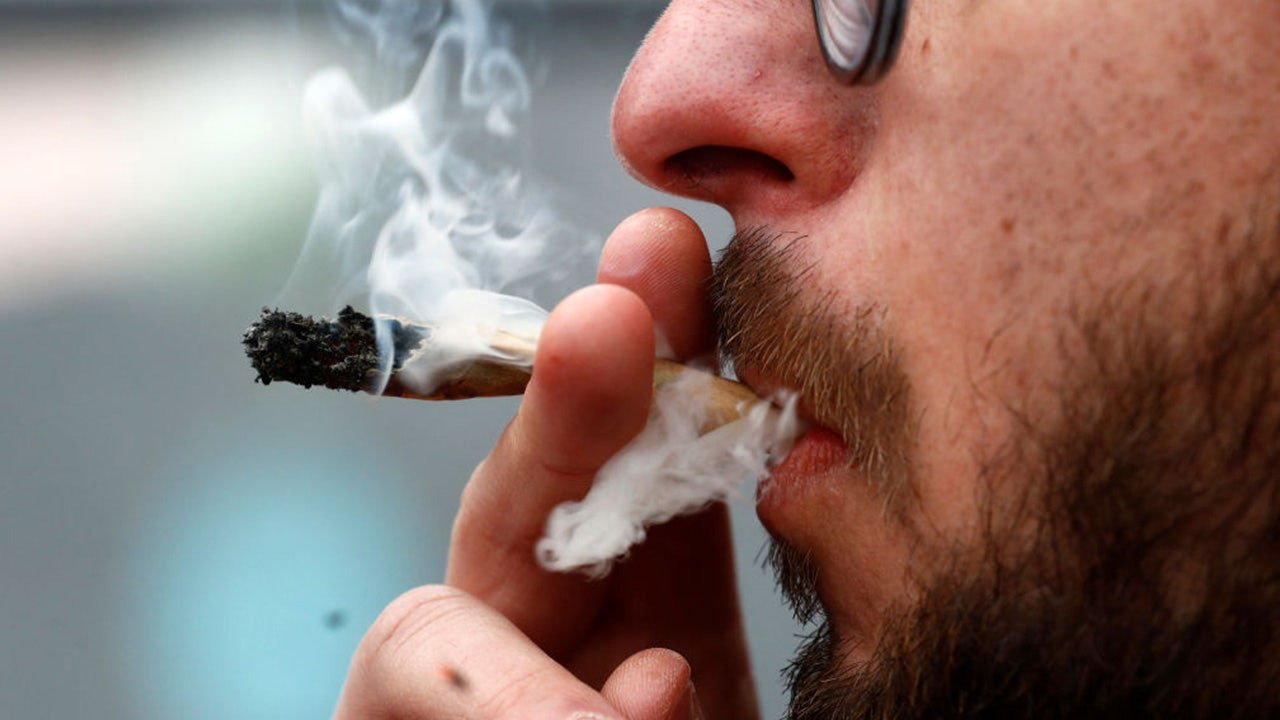

The New South Wales government has proposed changes to how the state treats medicinal cannabis on the road. Under the draft law, eligible drivers prescribed medicinal cannabis would no longer face automatic penalties for trace THC detected in saliva, provided they meet registration and education requirements and are not impaired.
What the proposal changes – Threshold: Registered medicinal cannabis patients would be allowed up to 50 nanograms per millilitre (ng/ml) of THC in saliva without automatic penalty. Current law applies a zero-tolerance presence offence. – Registration and proof: Drivers must register with Transport for NSW and provide evidence of a valid prescription to qualify. – Education: Eligible drivers must complete an online education program about cannabis and driving safety before protections apply. – Roadside testing: Police will continue to use current roadside oral fluid tests; the saliva detection threshold police use will not change. – Immediate removal: Drivers who return a positive roadside result will still be removed from the road for 24 hours. Any driver found to be impaired by cannabis remains liable for the same criminal and licensing penalties as today.
Who this affects The government says about 300,000 people in NSW currently hold prescriptions for medicinal cannabis for conditions such as cancer-related nausea, chronic pain, epilepsy, and PTSD. Officials argue the existing immediate three-month licence suspension for a drug-presence offence creates a barrier for patients who must drive to work, medical appointments, and daily tasks.
Process and obligations To receive the new protection, a driver must: – Register with Transport for NSW. – Submit a current prescription or clinical evidence of a legitimate medicinal cannabis regimen. – Complete the online education module before the registration is accepted. Once registered, drivers who meet the 50 ng/ml saliva threshold would not face automatic licence suspension under the presence offence alone. Police will still remove drivers after a positive roadside test and may pursue impairment prosecutions if officers suspect functional impairment.
Government position and timing NSW Roads Minister Jenny Aitchison described the changes as a recalibration of road rules to reflect medical prescribing practices. The government first announced plans for the reform on June 4, 2026. The proposed law aims to keep enforcement tools—roadside testing, 24-hour removal, impairment prosecutions—while reducing automatic penalties for patients who are not functionally impaired.
Legal and practical context Australia legalized medical cannabis in 2016. States have varied rules on drug-driving. NSW’s draft focuses on oral fluid (saliva) testing and a 50 ng/ml saliva threshold for registered medicinal users. The government emphasizes that any evidence of impairment will still trigger standard criminal procedures and penalties.
Comparison: Canada Canada uses blood-based THC thresholds. Key markers under federal law include: – 2 ng/ml blood and up to 5 ng/ml: summary conviction offence (lower-level offence; fines and potential driving bans). – 5 ng/ml blood or more: hybrid offence with mandatory penalties and potential jail time. – Mixed alcohol and drugs threshold: 2.5 ng/ml THC combined with 50 mg alcohol per 100 ml blood constitutes an offence. On April 19, 2026, the Ontario Court of Appeal upheld these Criminal Code limits against a constitutional challenge. The court accepted that some legally prescribed or chronic users may have residual THC but ruled the thresholds serve deterrence and enforcement purposes.
Implications and likely outcomes If passed, the NSW reform would change enforcement outcomes mainly for patients who: (a) are prescribed medicinal cannabis, (b) register with Transport for NSW, and (c) are not impaired when driving. Quantitatively, the law would affect an estimated 300,000 prescription holders in NSW who currently face automatic penalties under the presence offence framework.
Enforcement issues remain Practical questions persist about how police and courts will assess impairment versus presence. Saliva tests detect recent use but do not measure impairment directly. The change moves policy from absolute zero tolerance toward a conditional allowance tied to registration and a numerical saliva threshold. Critics and legal advocates have pushed for reforms on the grounds that residual THC can persist after impairment ends; defenders of strict limits point to road safety data linking substance-impaired driving with crash risk.
Next steps The government must pass the bill through the NSW Parliament. If approved, Transport for NSW will need to set up registration, verification, and the online education portal. Road authorities and policing agencies will also require guidance on how to handle roadside positives from registered medicinal patients.
Bottom line NSW’s proposal allows registered patients to carry up to 50 ng/ml THC in saliva without automatic licence penalties, while retaining roadside testing, 24-hour removals, and impairment prosecutions. The reform targets about 300,000 prescription holders and aims to reduce licence suspensions that commentators say disrupt work and care access. The bill reflects a policy trade-off: a measured clinical exemption for prescribed users against the continued use of detection and impairment enforcement tools to protect road safety.