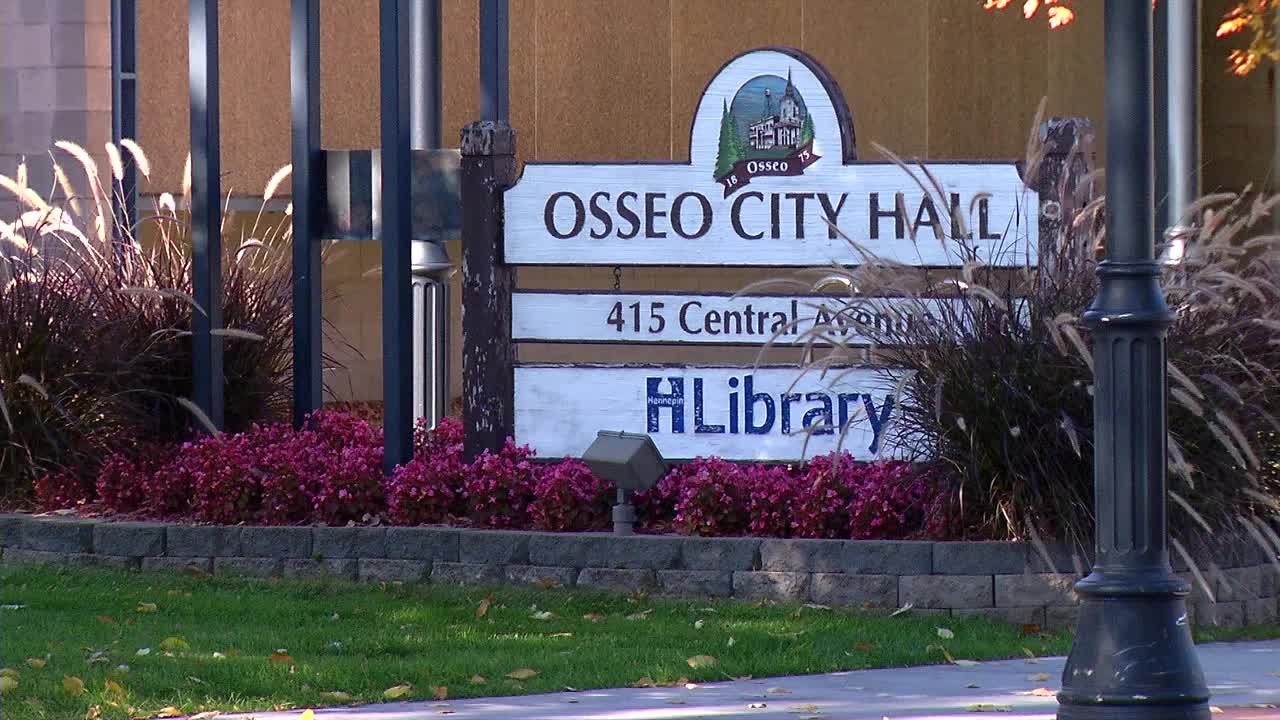
Osseo paused its municipal cannabis plans after residents challenged a proposed $4 million tax abatement bond and questioned whether the city should own a retail cannabis store. The city has already spent $725,000 to buy a vacant downtown building that officials had earmarked for a city-run dispensary. Council members voted “no action” on the bond request at Monday’s meeting, leaving the project’s next steps unclear.
City documents show the proposal dates to 2024 and was pitched as a way to generate revenue and help offset property taxes. The financing vehicle under discussion was a $4 million tax abatement bond intended to cover build-out and startup costs while allowing tax relief during early years of operation.
Local business owners gave mixed reactions at the meeting. Laurie Duffy, owner of Duffy’s Bar and Grill, said a dispensary could increase foot traffic for nearby restaurants and shops. “I think any businesses that are coming into town that are going to bring in people are going to be good for Osseo,” Duffy said. Duffy estimated a steady stream of customers could raise weekday sales at her restaurant by 10 to 20 percent, based on comparable nearby openings.
Phil Lutgen, owner of Dick’s Bar and Grill, pressed a counterpoint: he questioned whether a municipality should act as a retailer. “I just don’t know how they can separate the difference between a cannabis store and being the owner of that cannabis store,” Lutgen said at City Hall. Most residents who spoke at the meeting expressed similar concerns about public ownership, financial risk, and local control.
Council members placed the bond proposal on hold with a no-action vote rather than approving or rejecting it outright. The city declined a request for an interview and did not provide a timeline for revisiting the proposal or returning the $725,000 purchase funds to the general fund.
Supporters of municipal ownership point to Anoka, Minnesota, which operates Anoka Cannabis Company. Anoka Mayor Erik Skogquist told reporters his city’s store opened earlier this year and posted more than $200,000 in net revenue in its first few months. The mayor said his city planned to route profits toward property tax relief and that other municipalities had asked Anoka for operating details.
“Anoka Cannabis Company opened and netted more than $200,000 in its first few months,” Skogquist said. “We want to set a high bar and that’s something that’s going to be in your city whether you like it or not.” He added that Anoka officials have shared cost estimates, staffing models, and regulatory procedures with interested cities.
Municipal ownership changes the typical retail model in three concrete ways: the city controls licensing and compliance, it captures gross receipts or net revenue rather than only licensing fees, and it assumes operational risk including staffing, inventory loss, and regulatory penalties. In Osseo’s case, the $4 million bond would have covered construction, security upgrades, and initial inventory purchases; the city estimated a three- to five-year ramp to break-even based on projected daily sales.
Opponents at the meeting emphasized those ramp-up risks and questioned the accuracy of sales forecasts. Several residents asked whether the city would subsidize losses, how it would ensure separation between regulatory oversight and retail operations, and what contingency plans would protect the city’s general fund.
The pause leaves several fiscal and policy questions open: whether the city will pursue a private operator instead of running a store, whether officials will seek a smaller bond or phased financing, and whether the purchased building will be repurposed. City leaders have not published an updated financial model or a timeline for public hearings on revised proposals.
For now, the bond proposal is on hold. Residents and business owners in Osseo can expect more committee meetings and public discussions if city staff or councilors reintroduce a revised plan. Other Minnesota municipalities will likely watch Osseo’s next moves closely; Anoka’s early revenue figures show a possible path, but they do not remove operational and political risks associated with municipal retail ownership.