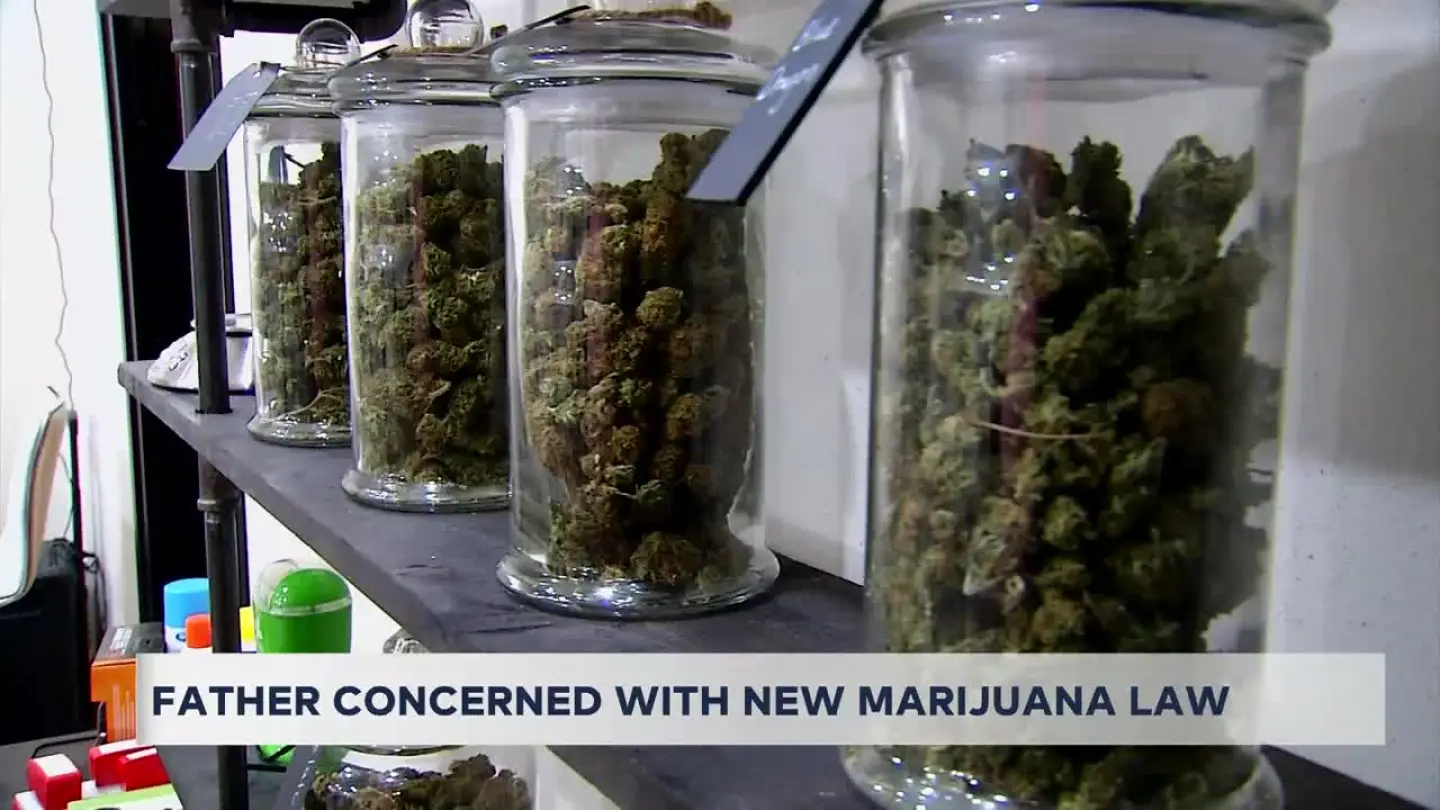
House Bill 4454, signed last month, limits medical cannabis edibles to 10 milligrams of THC per serving and 100 milligrams per package, and restricts packaging that appeals to children. The law takes effect on November 1, 2026.
Parents and some public safety advocates say the caps and design rules respond to a clear risk illustrated by a recent incident in Mustang. Bryant Bosarge reported that his four-year-old son, Rownan, found and ate a 1,000 mg THC gummy at Horizon Intermediate School’s playground. Rownan was hospitalized and remained unresponsive for more than 26 hours. Bosarge said his son continues to have emotional and behavioral effects while recovering.
“He thought it was candy,” Bosarge said. “The packaging was colorful with fruity designs. He played at a park, ate something he thought was candy, and then he didn’t wake up for over 26 hours.” Bosarge added that the product his son consumed violated existing packaging rules and that previous regulations were not adequately enforced.
What the law changes – Serving size: Edible products must contain no more than 10 mg of THC per serving. A single gummy may not exceed that amount. 10 mg per serving is a reduction compared with larger-dose products that have been sold in the state. – Package total: Individual packages are capped at 100 mg of THC. That cap equals one-tenth of the 1,000 mg gummy involved in the Mustang incident. – Appearance rules: The law bans packaging and product designs that are likely to attract children, including candy-like shapes, child-appealing graphics, and added colorants that make items resemble conventional candy. It also restricts color additives that imitate candy.
Regulators and enforcement The Oklahoma Medical Marijuana Authority (OMMA) enforces state licensing and packaging standards for medical cannabis producers and sellers. News 9 sought comment from OMMA but did not receive a response. Bosarge criticized enforcement, saying the gummy his son found had been produced, distributed, and sold despite already-existing rules.
State officials will need to translate the new statutory language into inspection priorities, licensing conditions, and penalties. Without consistent inspections and penalties for noncompliance, industry observers and families like the Bosarges expect limited change in real-world product availability.
Public health and safety impact The 10 mg per-serving limit aligns with dosing guidelines used in other states and with consumption patterns for adults who use THC therapeutically or recreationally. For children, the difference between 10 mg and doses in the hundreds or thousands of milligrams is material: the 1,000 mg gummy likely exposed the child to a dose 100 times the new per-serving cap and 10 times the new package cap.
Medical and emergency staff note that pediatric THC exposures can produce prolonged sedation, breathing problems, and behavioral effects that require hospital monitoring. In this case, Bosarge said his son remained unresponsive for more than a day and is still recovering.
Industry response and compliance challenges Manufacturers and dispensaries will need to reformulate products, change packaging art, and adjust labeling to comply with HB 4454. Producers that previously sold high-dose edibles will either split doses into smaller units or stop offering certain product lines. Distributors and retailers must track per-serving THC counts and package totals to avoid license sanctions.
Remaining questions include how inspectors will evaluate subjective criteria like “child-appealing” design and what penalties will follow for violations. Industry groups typically seek clear written guidance and a compliance timeline to avoid abrupt market disruption. Advocates for tighter controls highlight that specific limits and objective examples of prohibited designs can improve enforcement consistency.
Voices from families and advocates Bosarge said he supports stricter rules but stressed that passage alone will not prevent similar incidents unless regulators enforce them. “If they had enforced the rules already on that product, my son never would have had it,” he said. The family hopes the law will be backed by active oversight so other children do not experience the same harm.
Timeline and next steps HB 4454 is effective November 1, 2026. Between now and that date, OMMA and local law enforcement can issue guidance to producers and retailers, update inspection protocols, and notify licensees about required packaging and product changes. Parents, schools, and healthcare providers are also encouraged to continue education efforts about secure storage and to treat cannabis products like any other potentially dangerous substance for children.
The Mustang incident prompted immediate media attention and renewed debate over enforcement. Whether the law reduces pediatric exposures will depend on how quickly regulators write and apply rules, how manufacturers redesign products, and whether retailers adhere to new distribution limits.
Reporting: Elizabeth Fitz, News 9. Sources: family statement from Bryant Bosarge; Oklahoma House Bill 4454 text; hospital incident details reported by local media.