
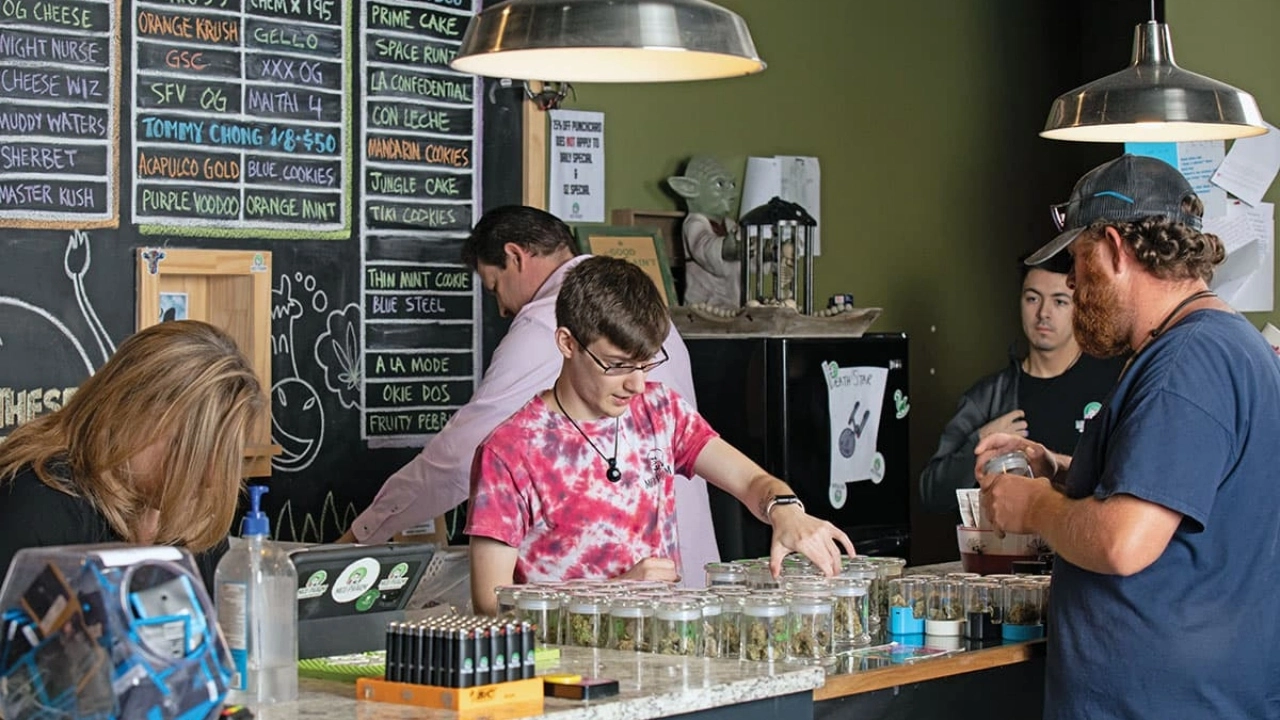
Massachusetts voters will decide in November whether to repeal adult-use cannabis sales in the state’s $1.65 billion annual market. The repeal measure, listed as Question 8 on the Nov. 3 ballot, cleared its final legal challenge when the State Ballot Law Commission on Tuesday rejected claims that petition signatures were tainted by fraud or formatting errors.
The measure, titled the Act to Restore Sensible Marijuana Policy, would ban commercial recreational cannabis sales beginning in 2028 while preserving medical cannabis sales and adult-use possession. If voters approve the measure, licensed retail sales that began after legalization would end under state law; municipalities that have collected tax revenue from those sales would lose that revenue stream after the transition.
Challenge and commission ruling
Kevin Gilnack filed the most recent appeal, arguing that anti-legalization campaign workers gathered signatures through fraudulent means and that formatting problems on petition sheets should invalidate enough signatures to disqualify the measure. Gilnack pointed to 231 signatures appearing on sheets with what he called “stray marks,” which exceeded the 123-signature threshold the commission would need to disqualify the initiative.
The State Ballot Law Commission disagreed. Commissioners described the marks as “errant pen marks that have no material effect on the remainder of the content of the petition” and concluded Gilnack “failed to meet the burden of proof to disqualify enough signatures.” This ruling follows an earlier January decision by the same commission that rejected a separate challenge alleging campaigners misled signees about the petition’s purpose.
Campaign funding and political context
SAM Action Inc., the political arm of Smart Approaches to Marijuana, funded the repeal drive and reported providing roughly $1.55 million of the campaign’s receipts through the end of 2025. SAM Action is organized as a 501(c)(4) and is not required to disclose its donors. The group cites increases in emergency room visits, youth addiction, and traffic incidents as reasons to end recreational sales; Kevin Sabet, SAM Action’s president and CEO, made those points in a campaign statement.
Opponents of the repeal report far smaller resources. A Stop the Repeal campaign reported $10,500 on hand in its most recent filings. That funding gap could affect outreach, advertising, and get-out-the-vote operations ahead of the midterm election.
What a vote would change
If voters approve Question 8, Massachusetts would join no other state in reversing a functioning adult-use market after regulated retail sales had already begun. (By contrast, South Dakota voters approved a recreational measure in 2020 that later was invalidated by the state supreme court before retail sales commenced.)
Under the proposed law, the timeline would phase out commercial adult-use sales so that criminal penalties for selling recreational cannabis return in 2028. The measure would not rescind medical cannabis programs or decriminalize possession; patients and adults could still legally possess cannabis under existing medical and possession rules.
State and local revenue impact
Massachusetts’ adult-use market generated approximately $1.65 billion in retail sales in the most recent reporting year. That activity produced excise, sales, and local-option tax revenue that state and municipal budgets have used for services and programs. Ending legal retail sales would remove that revenue source; the measure’s supporters argue that public safety and health costs stemming from recreational sales outweigh the tax income, while opponents highlight the budgetary shortfall that would follow a repeal.
Next steps
With the Ballot Law Commission’s decision, Secretary of the Commonwealth officials will place Question 8 on midterm ballots. Campaign groups on both sides will publicize arguments to persuade voters before Nov. 3. The commission’s rejection of the signature challenge removes an immediate legal barrier, but stakeholders may pursue other legal or political options after the vote depending on the outcome.
Key facts at a glance
– Ballot item: Question 8 (Act to Restore Sensible Marijuana Policy) – Ballot date: Nov. 3 (midterm election) – Industry size: ~$1.65 billion in annual adult-use retail sales – Campaign funding reported: SAM Action provided $1.55 million through end of 2025; Stop the Repeal reported $10,500 on hand – Petition dispute: 231 signatures flagged vs. 123 needed to invalidate measure; commission rejected challenge – If passed: Commercial adult-use sales would become illegal beginning in 2028; medical sales and adult possession remain legal
Voters will weigh public-safety claims from repeal backers against economic and regulatory arguments from opponents. The ballot decision will determine whether Massachusetts becomes the first state to formally end legal retail sales after building a regulated adult-use market.