
Virginia Governor Abigail Spanberger included cannabis legalization in the state budget proposal on Tuesday, opening the possibility of licensed retail sales if the budget passes later this month. Under the proposal, the new law would take effect on July 1, 2027.
Spanberger’s office said the measure aims to create a safer, better-regulated retail market for adult consumers. The proposal is tied to the biennial budget; legislators must approve the budget for the retail sales provision to become law.
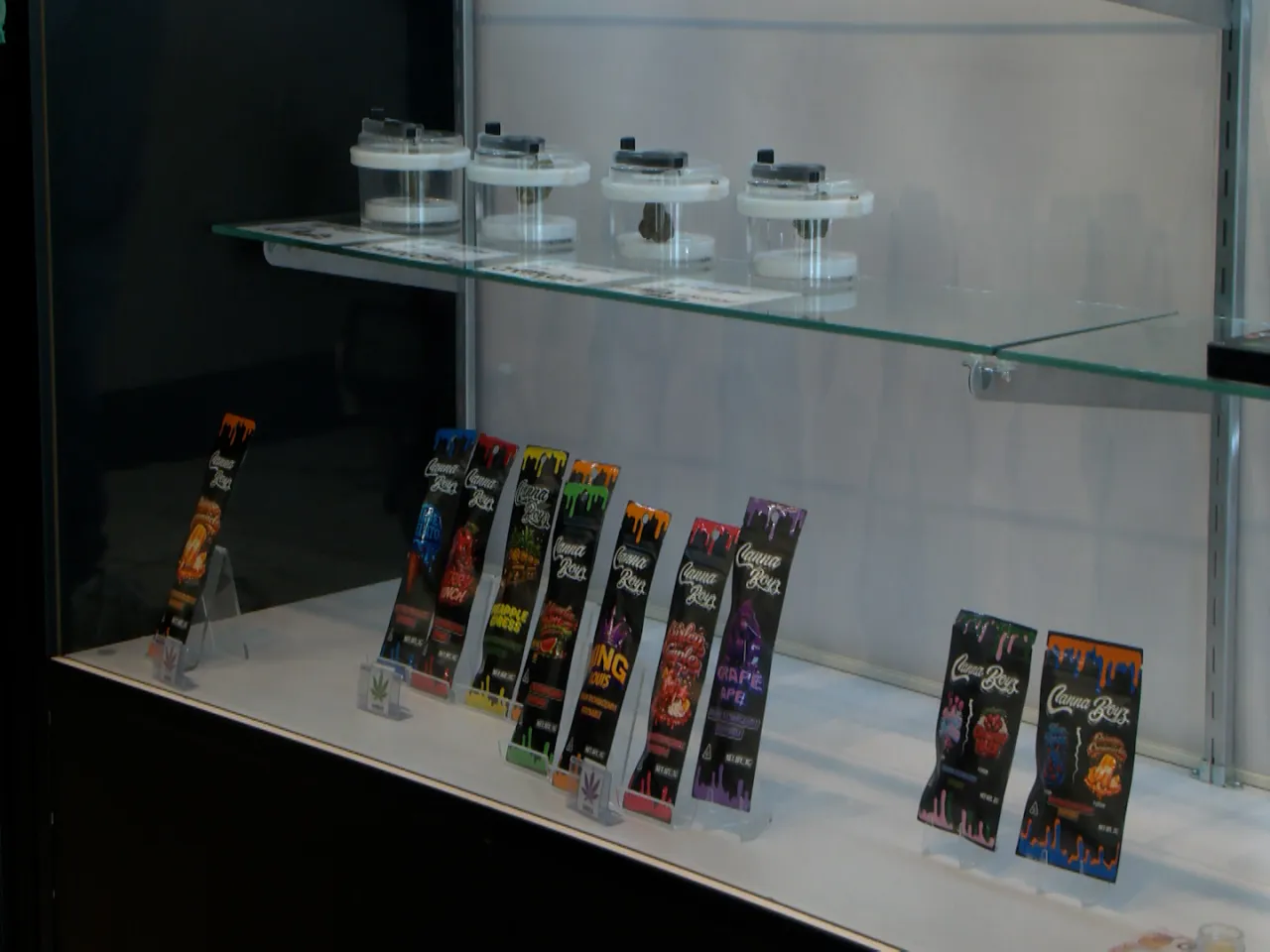
In Bristol, Virginia, Cannaboyz owner Chance Crusenberry said the change has been overdue. “We’re very excited,” he told News Channel 11. “We’ve been probably one of the loudest voices for regulation. It just gives the customer a safe place to go. Any time you add regulation to something like this, it’s good for everyone all the way around.”
Crusenberry described a gap that exists now in Virginia law: adults can possess cannabis but cannot buy it from licensed retail shops statewide. That gap, he said, fuels unregulated sales. “Any time when you’re on the black market, and it’s unregulated, you never know what you’re going to get,” he said. “There’s no testing. It’s just people that are hustling. They don’t care about quality or what the customer is getting or the end result. They just care about the money.”
He gave a concrete example of harm from unregulated products: a cancer patient seeking relief who purchases cannabis from an unregulated source may receive product stored improperly or grown with poor practices, allowing mold to form. “Now that cancer patient with every puff is inhaling mold into their lungs; it’s hurting them more than it’s helping them,” Crusenberry said.
Current purchase restrictions in Virginia also complicate transactions for consumers and retailers. At present, some operators sell cannabis through time-based memberships or by bundling purchases with other items to comply with local rules. Crusenberry said the proposed law would let customers buy the specific products they want directly from licensed retailers, removing the membership workaround.
Cannaboyz has already taken preparatory steps. Crusenberry said the store hired staff with Curaleaf experience to handle compliance and brought them in months before the budget proposal. “All of our employees and everybody, they have already been trained,” he said. He added that other businesses will face a steeper transition, requiring new standard operating procedures and extensive staff training as the market shifts.
If the budget passes, Crusenberry said Cannaboyz will apply for a recreational retail license. The timeline in the budget proposal sets the effective date at July 1, 2027, giving retailers, regulators and municipal governments roughly a year to prepare, set licensing rules, and finalize testing and safety standards where required.
Regulators and industry observers note two direct effects if the measure becomes law: licensed retailers would operate under state oversight, and consumers would gain legal points of sale for tested products instead of relying on unregulated sources. Crusenberry emphasized testing and storage as measurable changes: licensed supply chains would allow lab testing and controlled storage, which he believes will reduce incidents of contaminated product reaching vulnerable users.
Opponents of retail legalization have raised concerns in other states about youth access, impaired driving, and local zoning. Spanberger’s budget-language approach leaves many implementation details to the regulatory process and to lawmakers who will debate the budget in the coming weeks.
For Bristol entrepreneurs like Crusenberry, the key practical outcomes are clearer: the ability to sell product directly, require and document testing, and operate under a state licensing system. He expects those factors will reduce black market demand and improve product consistency.
The next step is procedural: lawmakers must pass the budget for the retail sales provision to take effect. If approved, the July 1, 2027 effective date starts a period for licensing, compliance checks, and public messaging. Local dispensaries that have trained staff and prepped operations say they are ready to apply immediately; others face months of building new compliance systems.
Spanberger framed the proposal as a public-safety and regulatory measure in her press release. Local dispensary owners like Crusenberry are already translating that regulatory intent into practical business steps: hiring experienced compliance personnel, training staff, drafting standard operating procedures, and preparing license applications to enter a state-licensed retail market if and when the budget becomes law.