federal hemp law set to take effect Nov. 12 would ban hemp products that contain more than 0.3 percent THC, a change that could force Wisconsin retailers to stop selling many popular CBD and THC items. The measure removes a federal loophole that cannabis-adjacent shops in Wisconsin have relied on and directly affects businesses such as Kelly’s Greens, a cannabis cafe in Wauwatosa.
Owner Erin Kelly said Kelly’s Greens opened after she lost her job during the COVID-19 pandemic and has since become a local storefront for hemp-derived products. She told reporters her store faces “uncertainty” as the new federal standard is implemented. Kelly estimates 3,500 jobs statewide are tied to the current hemp market and called the economic impact large; she emphasized that small retailers will need immediate policy or market adjustments to remain viable.
Wisconsin outlaws both recreational and medical marijuana. For years, retailers sold items labeled as hemp-derived — including CBD oil, gummies, topicals and pet treats — by citing a 2018 federal definition that limited THC in hemp to 0.3 percent on a dry-weight basis. The incoming federal rule narrows that space by banning any hemp product exceeding the 0.3 percent THC threshold, regardless of how it is marketed or used.
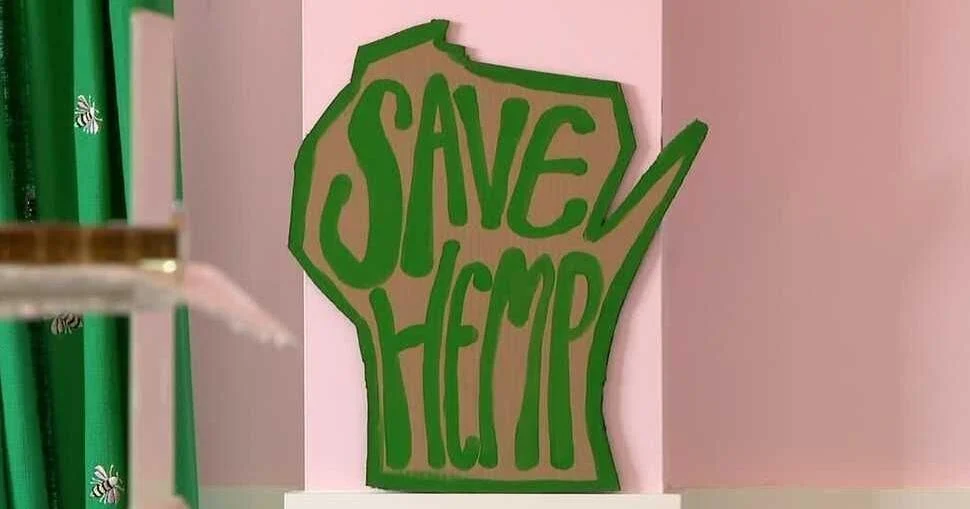
Local impact: Kelly’s Greens sells a mix of CBD tinctures, sleep gummies, pet products and low-dose THC offerings. Under the new rule, several of those items would be illegal to sell nationwide. Kelly said her shop will host a “Save Hemp” rally Monday at 5:30 p.m. outside Kelly’s Greens at 90th and North to press lawmakers for action and to draw public attention to the change.
State politics: Lawmakers in Madison have considered multiple bipartisan bills to regulate THC products in Wisconsin, including proposals that would create state licensing, testing and labeling requirements. Those bills have not passed. If the federal rule takes effect without a state regulatory framework, Kelly and other business owners say consumers in Wisconsin will lose local access to products they currently buy, from CBD dog treats to sleep aids.
Economic effects and numbers: The rule’s direct restriction — 0.3 percent THC as the maximum allowable concentration in hemp products — means any retail item that tests above the threshold could be treated as a controlled substance under federal law. That will remove retail supply for certain edibles and extracts. Kelly estimates 3,500 jobs could be affected in Wisconsin; she also described the market as worth hundreds of millions of dollars to the state, though statewide industry valuations vary by source.
Testing and compliance: Retailers have relied on third-party lab certificates to show product THC levels fall below 0.3 percent. Industry operators warn that natural variation in hemp plant chemistry and inconsistencies in testing can produce sample results that cross the 0.3 percent line on a given day, creating compliance risk for products and inventories.
What retailers say they need: Store owners want a clear, state-level regulatory system that sets testing standards, labeling requirements and licensing procedures so legal hemp-derived products can remain available while preventing high-THC items from entering the market unchecked. Without state rules, many retailers expect to halt sales of any item with uncertain THC content to avoid criminal or civil penalties.
Consumer consequences: Customers who rely on CBD for sleep, pain management or pet care may find fewer legal options in Wisconsin after Nov. 12. Kelly and other retailers say that would push some consumers to unregulated sources or out-of-state purchases rather than removing demand.
Next steps: Kelly’s Greens plans to use the rally to urge state lawmakers to revisit regulation and to collect signatures for a petition. Legal analysts advise that retailers review inventories, test results and supplier certificates now and consult counsel about compliance steps. Lawmakers in other states have responded to similar federal changes by drafting state licensing and testing laws; Wisconsin legislators may pursue that route if there is enough political support.
Bottom line: The federal change narrows the definition of legal hemp-derived retail goods by enforcing a strict 0.3 percent THC cap. That shift creates near-term business risk for Wisconsin shops that have sold hemp products under previous federal guidance, raises questions about jobs and tax revenue, and puts pressure on state officials to design a regulatory response before the Nov. 12 effective date.