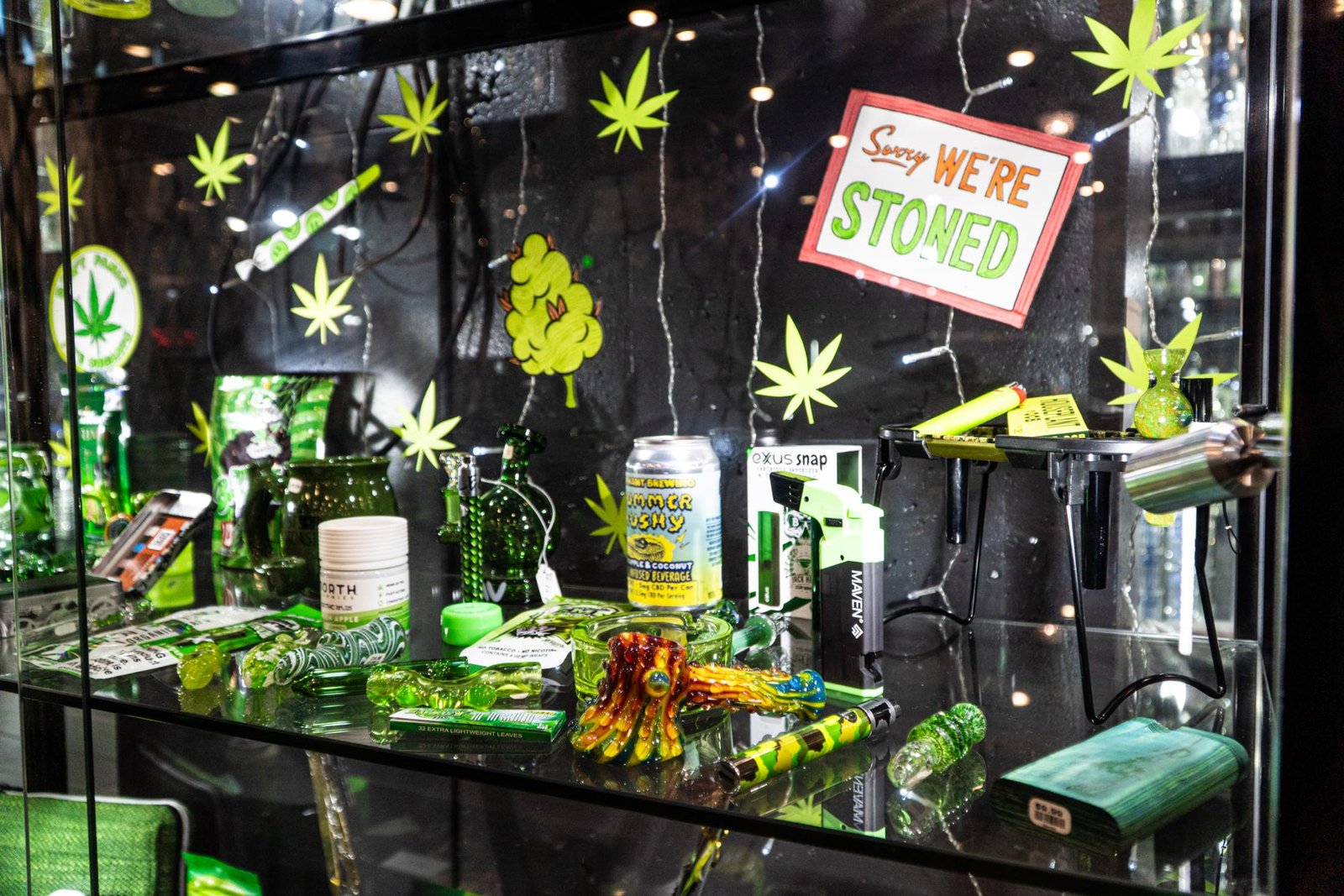
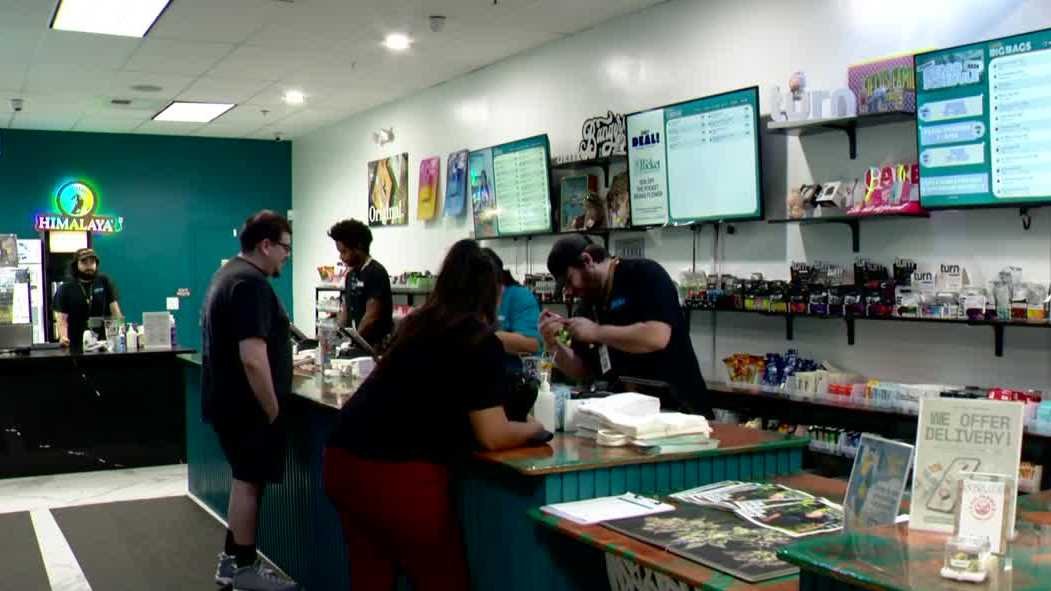
Sacramento approved a five-year pilot allowing cannabis consumption lounges at licensed dispensaries, a change city leaders say will create legal indoor spaces for people who cannot consume in public or many residences.
The City Council voted nearly unanimously for the program Tuesday; Councilmember Karina Talamantes voted no and Councilmember Eric Guerra was absent. The pilot lets licensed dispensaries apply for two permit types: Type 1 for non-smoking consumption such as edibles and infused drinks, and Type 2 for smoking and vaping in specially ventilated rooms.
Permit fees are set at $7,238 for a Type 1 lounge and $9,651 for a Type 2 lounge. Applications are expected to open next month. City officials framed the five-year trial as a way to collect data and observe outcomes before deciding whether to adopt the policy permanently.
Business owners and advocates who pushed for the change said they worked on the issue for years. Mindy Galloway of The Pocket Dispensary said local operators have attended City Council meetings on the topic for roughly five years. “We’re not allowed to smoke in parks, on the street, or in apartments,” she said, adding that lounges give people an option to consume either recreationally or medically when private spaces are not available.
Maisha Bahati of Crystal Nugs said she was excited by the council action: “I can’t believe this. We finally got here. I’m super excited.” Supporters expect lounges to serve consumers who otherwise have no legal indoor options.
Several business owners warned that the permit fees and other costs could limit participation, especially for smaller operators and social equity businesses. Kimberly Cargile, owner of A Therapeutic Alternative, said the fees represent a barrier to entry for small, women-owned and social equity businesses. She added that roughly half of local cannabis businesses have closed in recent years because of what she described as overregulation and high taxation.
Councilmember Lisa Kaplan criticized the fee levels during the discussion, saying the costs reflect the city’s budget pressures this year. Supporters of the pilot have asked the city to monitor the program’s financial impact on businesses and to revisit fee levels if necessary.
Under the ordinance, only dispensaries already licensed by the city can apply to run a consumption lounge. Type 1 lounges will prohibit smoking and vaping and permit consumption of edibles and infused beverages on-site. Type 2 lounges will allow smoking and vaping but must meet ventilation and safety standards set by the city.
City officials said the pilot will include oversight and data collection. Officials have not yet published a specific evaluation framework, but they said the five-year window will allow staff to measure tangible outcomes — for example, the number of permits issued, public nuisance complaints, compliance violations, and any impacts on neighboring properties.
Supporters described the pilot as incremental change intended to test rules and enforcement approaches. Opponents and some council members have raised concerns that high fees will favor larger operators and limit access for businesses created under social equity programs.
The council did not change existing rules that prohibit public smoking of cannabis in parks and on streets; the pilot creates a regulated, indoor alternative rather than broadening where people may consume in public. Applications are scheduled to open next month, and the city will accept requests only from businesses that currently hold dispensary licenses.
What happens next: dispensaries that decide to apply will need to meet the city’s permit requirements and any ventilation or safety standards tied to Type 2 licenses. The city will track the pilot’s outcomes during the five-year period and then vote on whether to continue, modify, or end the program.
The new rules give Sacramento a structured way to test on-site consumption while preserving local control over permit issuance and enforcement. For dispensary owners weighing participation, the decision will depend on the permit costs, expected demand for on-site consumption, and the operational costs of meeting ventilation and safety requirements.
Applications are expected to open next month; dispensaries and interested stakeholders should monitor the city’s licensing portal for the official application packet and any additional operational guidelines.