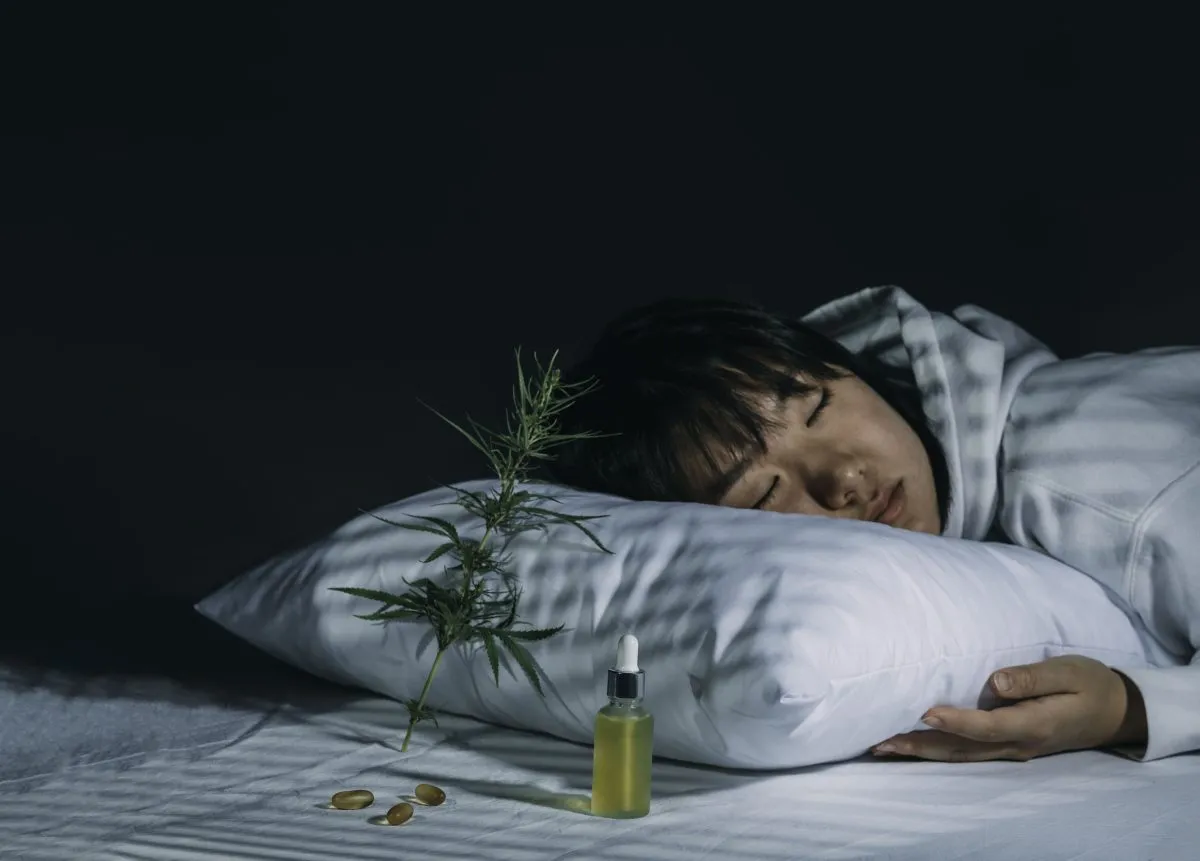
safer cannabis use begins with choosing consumption methods that reduce lung exposure and control dose. More than a quarter of adults in the United States and Canada report using cannabis for medical reasons, and nearly 80 percent of those users inhale it by smoking. That widespread preference carries measurable respiratory risk: regular cannabis smoking increases rates of chronic bronchitis and daily respiratory symptoms such as cough and phlegm. Peter Grinspoon, MD, a primary care physician and addiction specialist at Massachusetts General Hospital and an instructor at Harvard Medical School, says smoking cannabis “for a number of reasons, that’s a bad idea.”
This article lists five lower-risk alternatives to smoking, explains how they differ in onset and duration, and offers practical safety measures. Use lab-tested products wherever possible, track milligrams of THC and CBD per serving, and consult a clinician if you have lung disease, heart disease, pregnancy, or are under 25 years old.
1) Regulated vaping of cannabis oils and distillates – How it works: Vaporizers heat cannabis oil or distillate to produce an inhalable aerosol without burning plant material. – Onset and duration: Effects usually begin within minutes and last 2–4 hours. – Benefits: Vaping eliminates combustion products such as tar and many polycyclic aromatic hydrocarbons produced by smoking. Several studies show lower levels of carbon monoxide and some carcinogenic combustion byproducts in vapor versus smoke. – Risks and precautions: The 2019 EVALI outbreak was tied to vitamin E acetate in illicit THC cartridges; the CDC reported roughly 2,800 hospitalizations and 68 deaths during that event. To reduce risk, buy tested cartridges from regulated retailers, check certificates of analysis (COAs) for contaminants, avoid cutting agents like vitamin E acetate, and use devices designed for cannabis oils rather than modifying hardware. Even with regulated products, aerosols contain ultrafine particles that can irritate airways.
2) Edibles (foods and drinks) – How it works: Cannabis is ingested and metabolized by the liver, converting THC to 11-hydroxy-THC, which crosses the blood-brain barrier more effectively. – Onset and duration: Onset 30–120 minutes, peak 2–4 hours, effects can last 6–12 hours or longer. – Benefits: No inhalation exposure; consistent dosing possible when products list mg of THC per serving. – Risks and precautions: Delayed onset leads many people to overconsume. Start with 2.5–5 mg THC for new or sensitive users; 10 mg is a common standard serving in many U.S. states. Wait at least two hours before taking more. Store edibles securely to avoid accidental ingestion by children or pets.
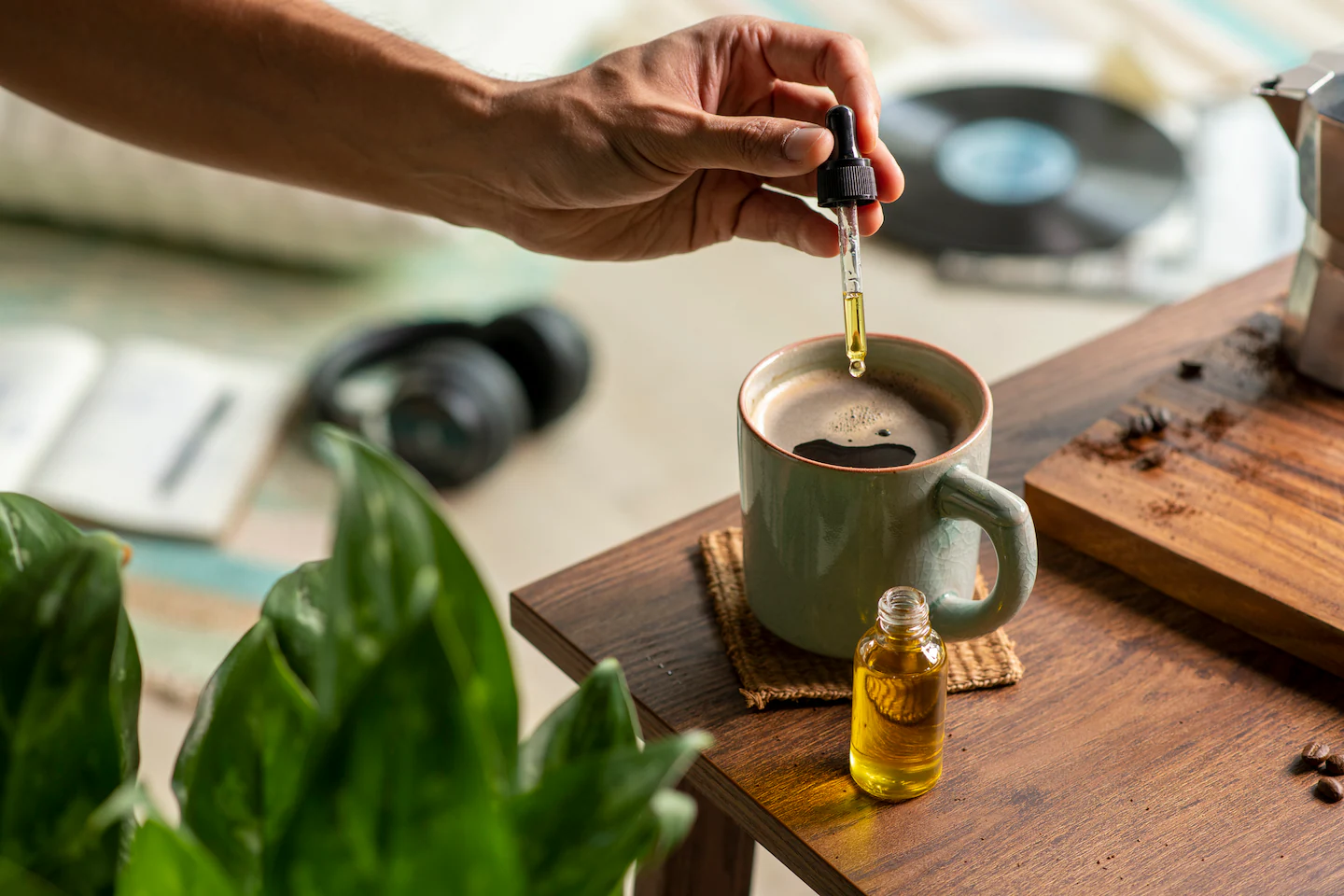
3) Tinctures and sublingual oils – How it works: Liquid extracts placed under the tongue are absorbed through oral mucosa and enter the bloodstream while some is swallowed and metabolized like an edible. – Onset and duration: Onset 15–45 minutes, duration 3–6 hours. – Benefits: Faster and more dose-controlled than edibles; minimal lung exposure. Many products list mg of THC/CBD per drop or per full dropper. – Risks and precautions: Absorption varies by placement and saliva; dose conservatively—try one small measured drop and wait 30–45 minutes before more.
4) Topicals and transdermal patches – How it works: Creams and lotions deliver cannabinoids to skin and underlying tissues; patches deliver cannabinoids systemically through the skin. – Onset and duration: Topicals act locally within 15–60 minutes and can last several hours; transdermal patches provide gradual systemic delivery over hours to days. – Benefits: Topicals produce localized effects without producing intoxication for most formulations. Patches enable steady dosing without inhalation. – Risks and precautions: Check product type—some transdermals intentionally deliver systemic THC and can cause impairment. Use lab-tested products and follow dosing instructions.
5) Capsules and measured oral tablets – How it works: Standardized pills contain measured mg of THC and/or CBD and are swallowed. – Onset and duration: Same pharmacology as edibles—onset 30–120 minutes, effects lasting 6–12 hours. – Benefits: Precise dosing and easy storage; no inhalation. Pharmaceutically manufactured formulations offer consistent potency. – Risks and precautions: Expect delayed onset; follow dosing schedules and avoid combining with alcohol.
Specific dosing and product tips – Labeling: Prefer products with clear mg-per-serving labeling and a COA from an independent lab showing potency and absence of pesticides, heavy metals, and residual solvents. – Dosing for new users: Begin with 2.5–5 mg THC for oral and sublingual products. For inhaled products, take a single, small inhalation and wait 10–15 minutes to assess effect. – THC vs. CBD: Balance matters. Products with CBD in a 1:1 or higher CBD:THC ratio can reduce anxiety or dysphoria for some users. Quantify ratios when possible.
When to avoid cannabis – Do not use cannabis if pregnant or breastfeeding. Clinical guidance links prenatal cannabis exposure to measurable differences in birth weight and neurodevelopmental outcomes in childhood. – Avoid recreational or medicinal use for adolescents; brain development continues into the mid-20s and repeated exposure can affect cognition and academic performance. – People with unstable heart disease, uncontrolled psychiatric conditions, or severe lung disease should consult specialists before using any cannabis product.
Practical safety checklist – Buy from regulated retailers with posted COAs. – Track milligrams of THC/CBD per dose, not grams of plant matter. – Store all products locked and out of reach of children and pets. – Avoid mixing cannabis with alcohol or sedatives until you know how a product affects you.
Choosing a non-smoking method reduces exposure to combustion byproducts and gives you better control over dose and duration. For many medical and recreational users, switching to regulated vaping, edibles, tinctures, topicals, or capsules lowers respiratory risk while allowing predictable effects when products are tested and labeled accurately.