missouri cannabis dispensaries and unlicensed THCa shops are locked in a legal and regulatory clash after a court ruling that highlighted a loophole in hemp and marijuana rules. David Hudnall, in a recent video, walked through the legal distinctions and the practical effects on retailers, consumers and enforcement.
What THCa shops sell
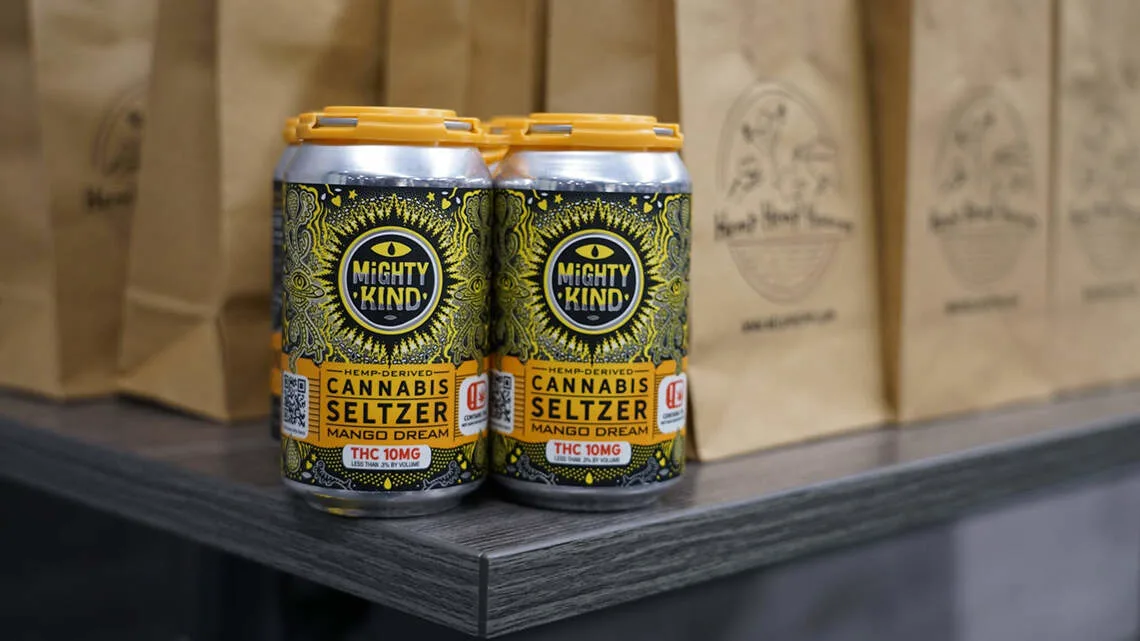
Stores such as Motion City and Mr. Nice Guy in Kansas City sell products that look and smell like marijuana flower but are marketed as hemp-derived THCa. THCa (tetrahydrocannabinolic acid) is the acidic precursor to delta-9 THC. In raw plant material it does not create the same psychoactive effect as delta-9 THC until it is heated and decarboxylated. THCa shops rely on a legal distinction: federal law and many state rules define hemp by delta-9 THC concentration on a dry-weight basis (generally the 0.3% threshold). Sellers argue that raw flower or extracts that test below that delta-9 percentage qualify as hemp, even if they contain high levels of THCa that convert to delta-9 THC when smoked or vaped.
Why licensed dispensaries object
Licensed dispensaries must obtain state permits, submit product samples for potency and contaminant testing, comply with seed-to-sale tracking, and remit excise and sales taxes. Licensed retailers, which operate under Missouri’s adult-use and medical frameworks, say unregulated THCa shops avoid those requirements and can undercut prices. They also point to public-safety gaps: licensed tests measure finished-product delta-9 levels and screen for pesticides, heavy metals and residual solvents; several THCa vendors use limited testing or testing standards intended for hemp, not regulated cannabis.
The court ruling and the legal gap
A recent Missouri court decision, examined in Hudnall’s video, found that certain THCa products can meet the narrow statutory definition of hemp when delta-9 THC on a dry-weight basis remains under the legal threshold. That interpretation created a window for retailers to sell hemp-derived THCa products that can produce intoxicating effects when consumed in ways that convert THCa into delta-9 THC.
At the same time, state regulators and some judges have signaled that the legal distinction may not survive closer scrutiny. Regulators argue that labeling, consumer use patterns and the chemical behavior of THCa undermine the policy purpose of the hemp definition. Courts that focus on consumer outcomes — for example, whether the product will be used as a marijuana substitute — could reach different conclusions than courts that apply a strict textual reading of the statute.
Consumer safety and public health issues
Health officials and licensed retailers raise two practical concerns. First, consumers who buy THCa products outside regulated channels may get inconsistent potency and no reliable contaminant testing. Licensed dispensaries must provide potency labels and laboratory results; unlicensed THCa sellers often offer fewer guarantees. Second, THCa flower that converts to delta-9 THC when smoked or vaped can produce impairment similar to licensed cannabis products, yet purchasers lack access to standardized dosing guidance and warnings required in the regulated market.
Economic effects
Licensed retailers report revenue pressure in local markets where THCa shops proliferate. Licensed shops pay application fees, annual license costs, testing bills and excise taxes that can total a substantial share of retail price; unlicensed THCa sellers typically do not incur the same costs. That divergence affects retail pricing and can shift consumer demand toward unregulated shops, reducing tax collections and complicating market oversight.
Regulatory and legislative paths forward
State regulators can respond in several ways. They can tighten definitions of hemp to focus on total potential THC (including THCa) rather than delta-9 THC alone, or require testing protocols that convert THCa to delta-9 before measuring potency. Agencies can also pursue enforcement actions against sellers whose products are clearly used as intoxicants. Lawmakers can amend statutes to close the loophole explicitly.
Any change will affect retailers, consumers and enforcement budgets. Requiring hemp-derived products to be tested for total potential THC would increase lab workloads and raise compliance costs for sellers that aim to remain legal. Enforcing against unlicensed sellers would require agencies to allocate inspection and legal resources to pursue violations.
What Hudnall highlights
In the video, Hudnall emphasizes three points: licensed dispensaries view THCa shops as competitors operating outside the regulatory framework; the chemical reality that THCa converts to delta-9 THC under normal consumption methods undermines the functional boundary between hemp and marijuana; and recent court decisions have created temporary legal clarity that could prompt regulatory updates or legislative fixes.
Outlook
The court ruling gave THCa vendors a clearer path in the short term, but several forces could narrow that window: state agencies updating testing rules, prosecutors pursuing enforcement, and legislators changing the statutory definition of hemp. For consumers, the immediate effect is easier access to products that can cause intoxication without the testing, labeling and taxation that apply to licensed cannabis. For the regulated market, the outcome will shape pricing and competition in Kansas City and other Missouri communities where THCa shops operate.
Policymakers now face choices about how to measure THC in plant material, how to treat THCa for legal purposes, and how to allocate enforcement. Those choices will determine whether the current legal separation between licensed dispensaries and THCa shops remains in place or narrows in the months ahead.