
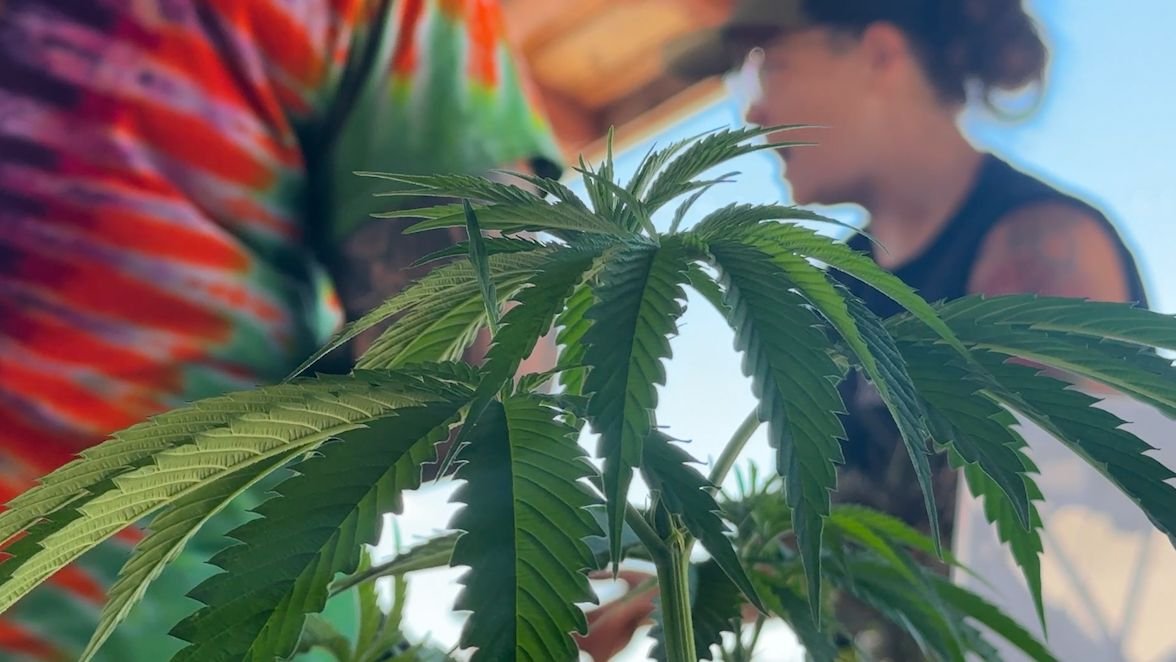
The cannabis showcase in Rochester gathered 12 licensed cultivators and microbusiness operators five years after New York legalized recreational sales. Organizers held the event at Lincoln Farms to give small, vertically integrated producers face-to-face access to consumers and to demonstrate what microbusiness licenses allow: on-site cultivation, processing and retail under a single ownership structure.
Twelve licensed cultivators attended, many identified as microbusinesses that grow and sell small batches. Owners described tight margins, steep compliance costs and limited access to banking and capital. Felix Harris, owner of 6 Point Cannabis, said his company operates a dispensary downtown Rochester and a farm in Bloomfield, N.Y., and functions under a microbusiness license that permits both cultivation and retail. Harris said he financed operations in part by using personal assets and that many peers have done the same.
“Money is a huge challenge,” Harris said. “You pay application fees, then you face build-out costs, testing fees, and municipal requirements before you even open.” He also criticized product variability in the market, saying consumers in New York demand higher-grade flower and more variety than many current suppliers produce.
Event curator Karen Tobin of Evergreen Retail framed the showcase as the first licensed grower event held under New York’s current regulatory framework. She said the showcase emphasized small-scale craft producers, including several from the Finger Lakes region. “We have 12 licensed cultivators across the state and beyond, mostly micro-business craft farms,” Tobin said. “This event creates direct consumer access that these operators wouldn’t otherwise get.”
Curt Boshnack of Sunwalker Farms described the participating businesses as “mom-and-pop” farms rather than corporate operations backed by out-of-state investors. He said microbusinesses focus on quality over volume and that many customers respond positively to small-batch, locally produced flower.
Organizers and owners outlined the specific regulatory steps required to run a public cannabis event in New York: at minimum, one licensed cultivator and one licensed processor must participate, a licensed retail partner must host, and the organizer must secure a cannabis event permit from the municipality. Lincoln Farms obtained local approval for this event, and curators said they plan to apply for the permit again to make the showcase an annual affair.
Several speakers cited a continuing patchwork of local policies: Tobin estimated roughly 50% of New York’s municipalities still prohibit retail cannabis sales, a figure that limits where microbusinesses can operate legal storefronts. Organizers said that public, in-person events can influence municipal decision-making by exposing local officials and voters to regulated cannabis production and sales.
Beyond zoning and local opt-outs, microbusinesses face quantifiable costs that slow expansion. Application and licensing fees can total thousands of dollars per license category. Build-out expenses — including secure storage, compliant ventilation and testing equipment — often require six-figure capital investments for a small farm or retail space. Access to traditional banking remains constrained for many operators, which pushes owners to rely on personal loans or private investors.
Owners at the showcase described personal financial strain. Harris said several operators have mortgaged homes or drawn on savings. “This isn’t a quick profit,” he said. “A lot of people are doing this because they want to produce quality product and because they see a market that values craft cannabis.”
The showcase highlighted product variety from participating farms. Attendees sampled different strains and small-batch processed products, and owners used the event to explain cultivation methods, potency ranges and terpene profiles. Organizers aimed to educate consumers on distinctions between microbusiness products and larger-scale commercial output, and to build direct sales relationships that bypass some wholesale channels.
Policy and permitting remain immediate constraints. Boshnack summarized the event application steps: confirm participating cultivator(s) and processor(s), secure a hosting retail license, submit an event permit request to local authorities, and meet inspection and security requirements. Once a municipality approves the permit, vendors must still comply with state testing, labeling and packaging rules before selling products onsite.
Organizers said the showcase seeks practical objectives: increase direct sales for small farms, draw municipal attention to regulated commerce, and offer consumers clearer choices. Tobin suggested that repeated, regulated events could change municipal votes: when residents see local businesses operating safely and generating sales, she argued, more towns may permit retail stores.
The event also produced concrete networking outcomes. Small cultivators met retail buyers and discussed short-run contracts, local distribution and cooperative testing arrangements. Several microbusiness owners reported follow-up meetings to negotiate shelf space and future pop-up events.
Local economic impact remains modest but measurable: one organizer estimated immediate on-site sales and vendor contracts could generate tens of thousands of dollars per event cycle for participating microbusinesses, depending on attendance and product pricing. Organizers plan to track those figures in future showcases to quantify revenue gains and to present data to municipalities considering retail opt-in.
The Rochester showcase illustrated both market demand and policy friction. Microbusinesses are producing locally distinctive cannabis but face capital, compliance and municipal barriers that slow growth. Organizers and owners said they will continue to pursue annual events, pursue local approvals and push for broader retail access so small farms can increase wholesale and direct-to-consumer sales.
Participants left the event with specific next steps: apply for additional municipal permits, pursue retail-host partnerships, and document sales and attendance figures to support future licensing and zoning appeals. For now, the showcase provided a concentrated forum where 12 licensed cultivators and several retail partners could measure consumer interest, compare product quality and test small-scale sales strategies under New York’s regulatory rules.


