cannabis poisoning has increased sharply in New York, creating more emergency room visits and prompting officials to push safe storage and clearer labeling. A New York State Department of Health report found a 190% rise in ER visits for cannabis-related poisoning outside New York City between 2016 and 2023.
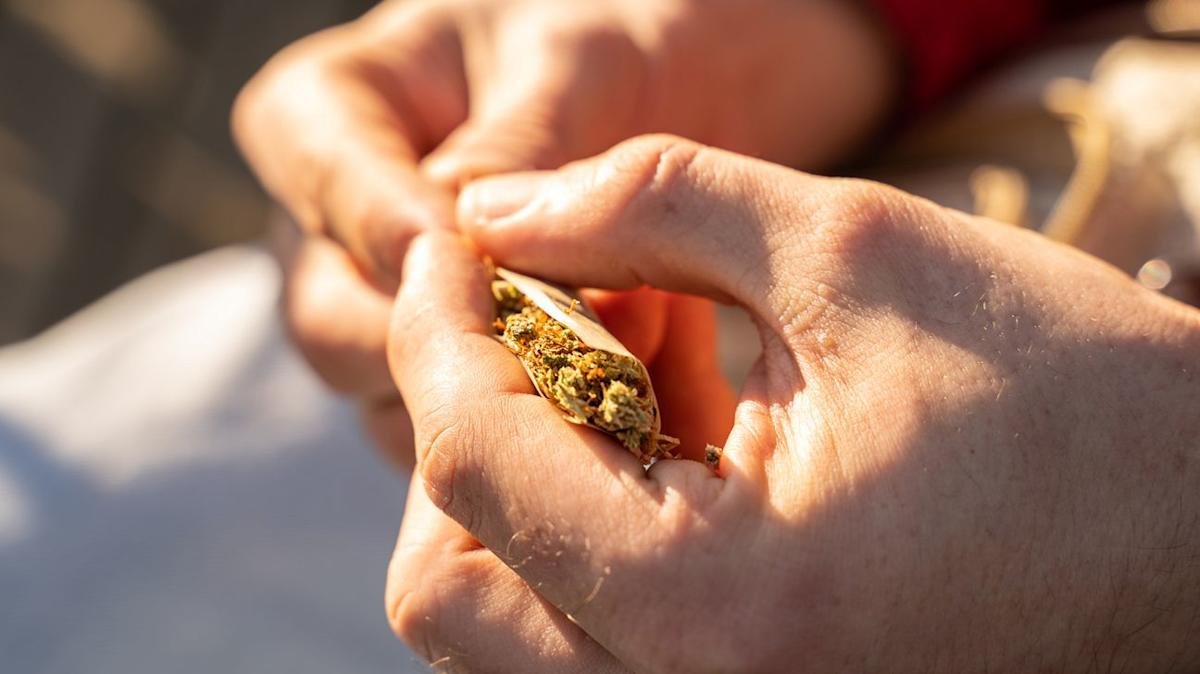
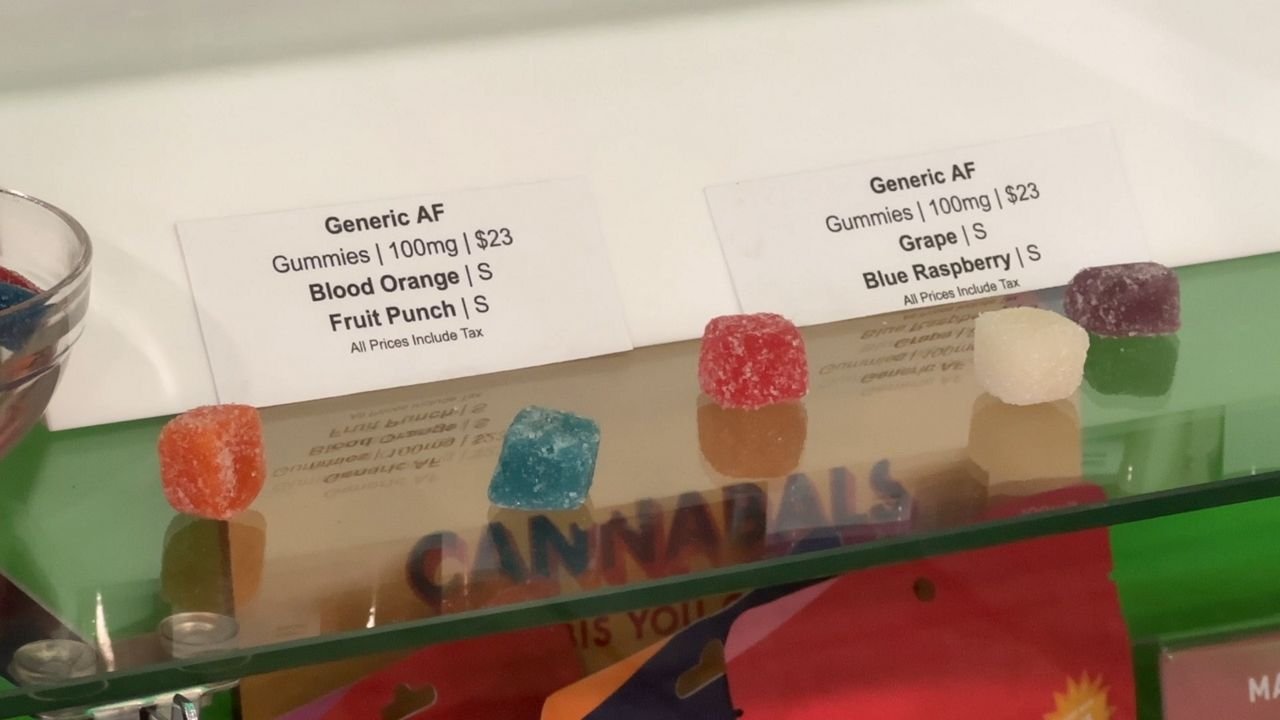
State and local agencies link the rise to widespread availability of edible products that resemble candy, plus gaps in storage. Dispensaries sell gummies, vapes and pre-rolls; edible formats are especially risky for young children because they look like familiar sweets. Collin Seeley, coalition manager with the Oswego County Prevention Coalition, summed the cause: when packaging or products resemble candy, children try them.
Packaging standards for legal New York products include three required symbols to distinguish regulated items: a yellow triangle with a marijuana leaf and “THC!” beneath it; a red circle marked 21+; and an outline of New York labeled “New York State.” Still, some children cannot read labels or recognize the symbols, so unattended products remain a hazard.
Medical data show the harm. The Upstate New York Poison Center reported 569 cannabis-related cases last year, which the center described as a 17% decrease from its 2023 peak. Of those calls, 78% required treatment at a health care facility or were advised to seek one. By comparison, 29% of all poison calls are managed in a health care setting. Edibles accounted for the largest share of cannabis poisonings; for children ages 0–5, roughly half of accidental ingestions involved edibles.
Clinicians describe the physiological risks in children. Cannabinoids can depress the central nervous system and slow breathing; in young children that can reduce oxygen intake and interfere with organ and brain function. Symptoms reported in pediatric cases include drowsiness or difficulty waking, impaired coordination or difficulty walking, and trouble breathing. Medical officials advise immediate evaluation for any child who appears unusually sleepy, hard to rouse, disoriented, or has breathing problems.
Counties with comparatively high rates of cannabis poisoning three years ago included Wyoming, Onondaga, Cayuga and Orleans, according to the state report. Local prevention groups have responded with concrete measures. The Oswego County Prevention Coalition has distributed 3,000 free lock bags designed to keep cannabis products out of children’s reach and to limit access by pets. The coalition supplies bags to local dispensaries; Leafy Wonders in Oswego has handed out about 250 free bags so far. Ashley Powell, general manager at Leafy Wonders, recommended locking products and keeping them stored up and away from children and pets.
State-level guidance echoes local actions. Dr. June Chin, chief medical officer at the state Office of Cannabis Management, told reporters that safe storage should be routine—comparable to buckling a car seat or locking up medications. The coalition’s lock-bag distribution relies on a grant that continues through June 2027.
Practical steps parents and caregivers can take – Store all cannabis products in locked containers or high cabinets out of sight and reach of children. – Keep products in their original child-resistant packaging with warning symbols visible. – Treat edibles like any other medicine or hazardous household item and educate older children about not sharing unknown foods or candies. – If a child is exposed, call the Poison Center at 1-800-222-1222 immediately or seek emergency care if the child has breathing difficulty, loss of consciousness, or seizures.
Public health messaging in New York focuses on measurable actions: lock storage, distribute child-resistant containers, and educate caregivers about packaging symbols and the higher risk posed by edibles. The data show a clear pattern—when children access cannabis products, health care use rises—and officials are prioritizing prevention steps that reduce accidental ingestion.
For parents and caregivers, the most direct protection is secure storage and prompt response. If you suspect a child has ingested cannabis, call the Upstate New York Poison Center at 1-800-222-1222 or go to the nearest emergency department.