
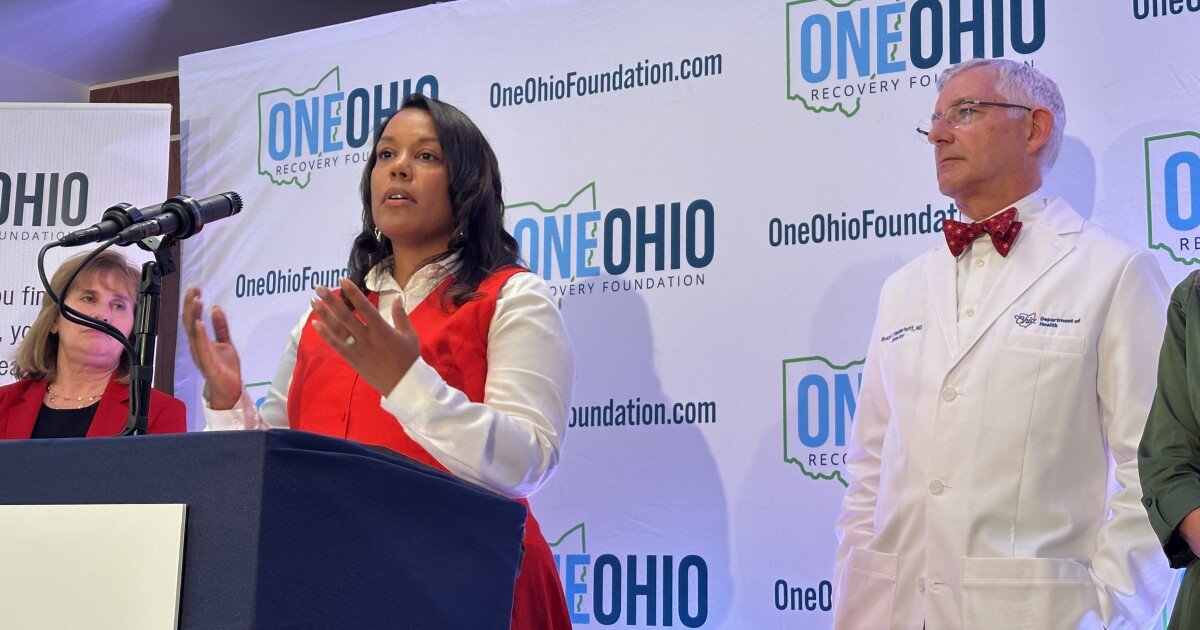
Ohio health officials and the OneOhio Recovery Foundation told reporters July 23, 2026 that cannabis in pregnancy increases risks for infants and should be avoided. State and nonprofit leaders cited recent polling and medical research while announcing new public-education spending and urging clinicians to discuss use with patients.
Officials invoked several data points. A May 2026 Pew Research Center survey found 11% of Americans say marijuana should remain illegal. More than half of U.S. residents live in states that permit recreational cannabis. Separately, a 2024 poll commissioned by OneOhio reported that more than 50% of women who were pregnant or said they wanted to become pregnant had used cannabis—an outcome OneOhio called concerning for maternal and infant health.
At the news conference, Ohio Department of Health Director Dr. Bruce Vanderhoff said, “In pregnancy and in breastfeeding, cannabis is not the safest choice.” He and OneOhio Executive Director Alisha Nelson pointed to specific health risks tied to THC exposure in utero. Research shows THC crosses the placenta and can increase the odds of stillbirth, low birth weight and measurable delays in early childhood growth and cognition.
OneOhio committed $250,000 to an initial campaign of advertising, social media and educational materials aimed at pregnant and breastfeeding Ohioans. The foundation and the Ohio Department of Commerce also announced plans to direct a combined $20 million to broader cannabis education that will include programs targeting teenagers and workplace safety.
Officials framed the spending as response to rising acceptance of cannabis. “Legal status does not equal safety,” Vanderhoff said, adding that labeling a product “natural” is not an evidence-based substitute for clinical guidance. Nelson noted that women reported receiving conflicting advice from family, friends and online sources; she urged clinicians to raise the topic during prenatal visits and to offer alternatives when women report using cannabis to manage nausea, insomnia or anxiety.
Medical and public-health research cited at the event identified specific outcomes linked to prenatal cannabis exposure: – Increased risk of stillbirth in some large cohort studies. – Higher likelihood of low birth weight and small-for-gestational-age infants. – Associations with later childhood differences in attention, memory or executive function in some longitudinal studies.
State officials stressed that associations vary by study design, timing and dose of exposure, but they emphasized consistent biological evidence: THC readily crosses the placenta and can reach the developing fetal brain. Officials also warned that THC and other cannabis compounds can pass into breast milk, exposing infants during breastfeeding.
Ohio health agencies and OneOhio advised concrete steps for pregnant or breastfeeding people who use cannabis: disclose use to your clinician, ask about safer alternatives for symptom control, and seek behavioral or medication options that have better-established safety profiles in pregnancy. Vanderhoff and Nelson both encouraged conversations with doctors, nurses and midwives rather than stopping medication or treatment without guidance.
The announcements come as states and advocacy groups allocate funds for public education about cannabis harms and safe use. OneOhio said it will track the reach of its initial $250,000 campaign through media engagement metrics and aim to measure changes in self-reported use among pregnant people in follow-up surveys. The larger $20 million education fund will support school programs, workplace outreach and additional public-health messaging across Ohio.
Clinicians and public-health professionals quoted at the event noted operational goals: include cannabis screening in standard prenatal intake forms, add clear patient materials about THC exposure risks, and ensure referral pathways to treatment and counseling for people who want to stop using cannabis. Several hospitals and community health centers in Ohio already screen for substance use during pregnancy and provide counseling and treatment referrals; state leaders said they will expand those efforts and share best practices.
Resources and contact points: OneOhio plans to publish campaign materials and a resource list online; Ohio Department of Health maintains guidance for clinicians and links to local maternal-health services. Officials said they will monitor research developments and update messaging as new clinical evidence emerges.
By combining polling data, clinical research, and targeted funding, Ohio officials aim to lower prenatal and breastfeeding exposure to cannabis and to strengthen clinician-patient conversations about safer symptom management during pregnancy and postpartum periods.