
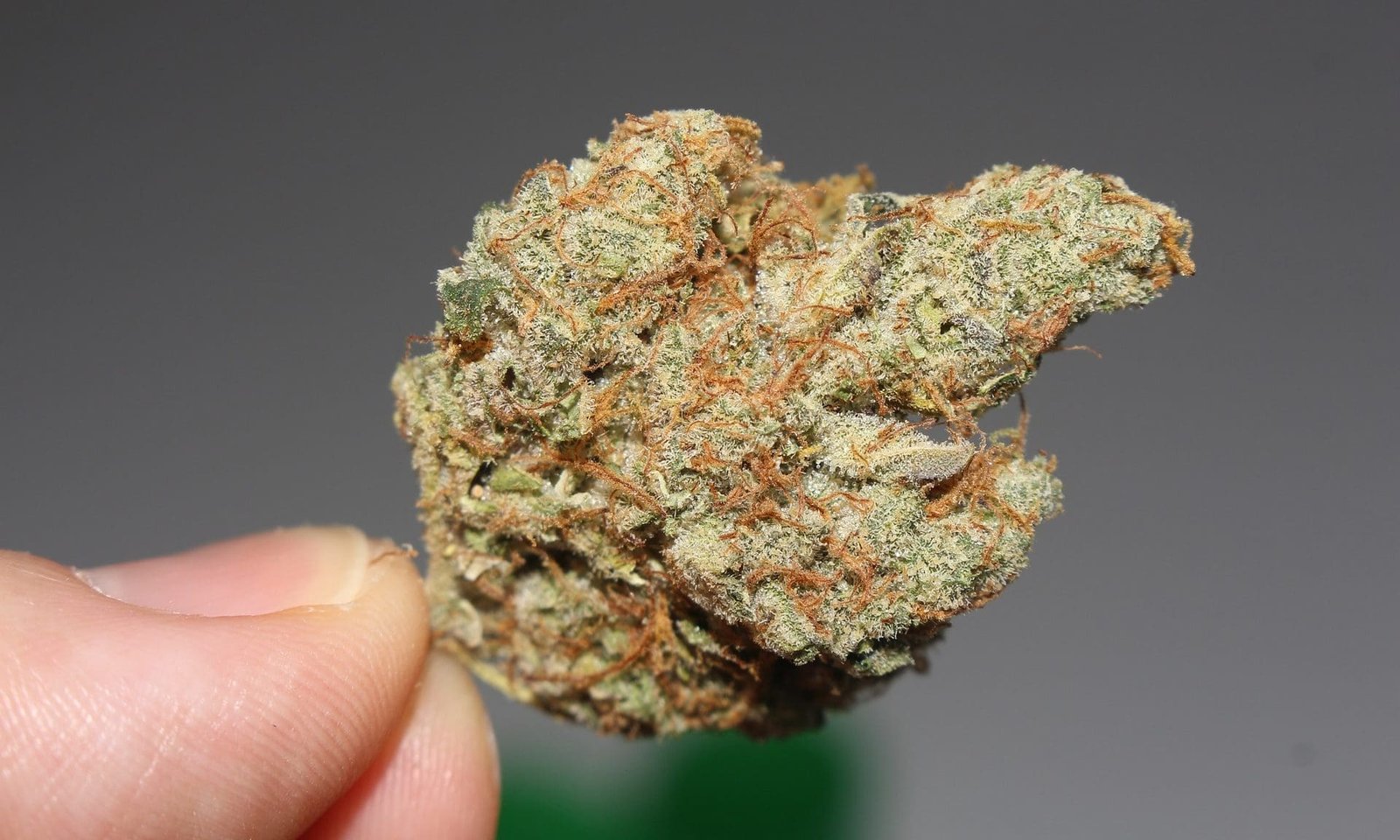
The Trump administration has yet to decide whether to appeal an appeals court ruling regarding the federal prohibition on gun ownership for cannabis consumers. Solicitor General D. John Sauer has requested and received another extension from the U.S. Supreme Court, leaving the issue unresolved.
In state news, Minnesota Governor Tim Walz (D) recently signed a bill decriminalizing bong water. This law amends a previous statute that allowed police to charge individuals for the weight of the bong water as if it were the full weight of the substance used in the bong.
Meanwhile, in Colorado, Governor Jared Polis (D) announced the full launch of the state’s psychedelics program, following the licensing of a testing lab for psilocybin. Polis emphasized that officials are acting on the voters’ wishes with the rollout.
In Texas, lawmakers have sent a bill to Governor Greg Abbott (R) aimed at significantly expanding the state’s medical cannabis program. This proposed legislation includes adding qualifying conditions such as chronic pain and traumatic brain injury, allowing new product forms like vapes and lotions, and increasing the number of dispensary locations.
In Pennsylvania, Representative Rick Krajewski (D) criticized Senate Republicans for blocking his House-passed cannabis legalization bill, claiming they are out of touch with the views of constituents.
A recent analysis from Ground Game Texas revealed that San Marcos’s voter-approved marijuana decriminalization law saved nearly half a million taxpayer dollars by reducing arrests for simple possession.
Research has shown varied results regarding the relationship between cannabis use and health outcomes. While many studies indicate a positive correlation between cannabis use and certain benefits, some studies report no significant relationship, and a few suggest potential drawbacks.
In Alaska, a federal judge upheld regulations that restrict intoxicating hemp products, dismissing a lawsuit from an industry group that challenged the rules.
Despite concerns from advocates, the Nebraska legislature confirmed Governor Jim Pillen’s (R) appointees to the Medical Cannabis Commission, although these appointees have consistently opposed legalization efforts.
In New Jersey, the Senate Judiciary Committee held a hearing regarding a bill aimed at recriminalizing the purchase of cannabis from unlicensed sources. Texas farmers have raised alarms over proposed legislation that would ban consumable hemp products with any THC, warning it could severely impact the state’s agricultural sector.
Regulatory issues continue in California, where officials announced a recall of certain marijuana products due to incomplete compliance testing and labeling that could appeal to children. In Oregon, regulators will no longer require marijuana businesses to have labor peace agreements, following a federal judge’s ruling against a voter-approved law.
The Massachusetts Department of Conservation and Recreation stated that medical cannabis usage is prohibited in state parks and trails. Meanwhile, the Rhode Island Cannabis Advisory Board has published a list of study projects, and Pennsylvania regulators have updated their list of approved physicians for issuing medical cannabis recommendations.
As the cannabis industry continues to evolve, many states are grappling with legislative challenges and regulatory frameworks to adapt to changing public attitudes towards cannabis and its various uses.