
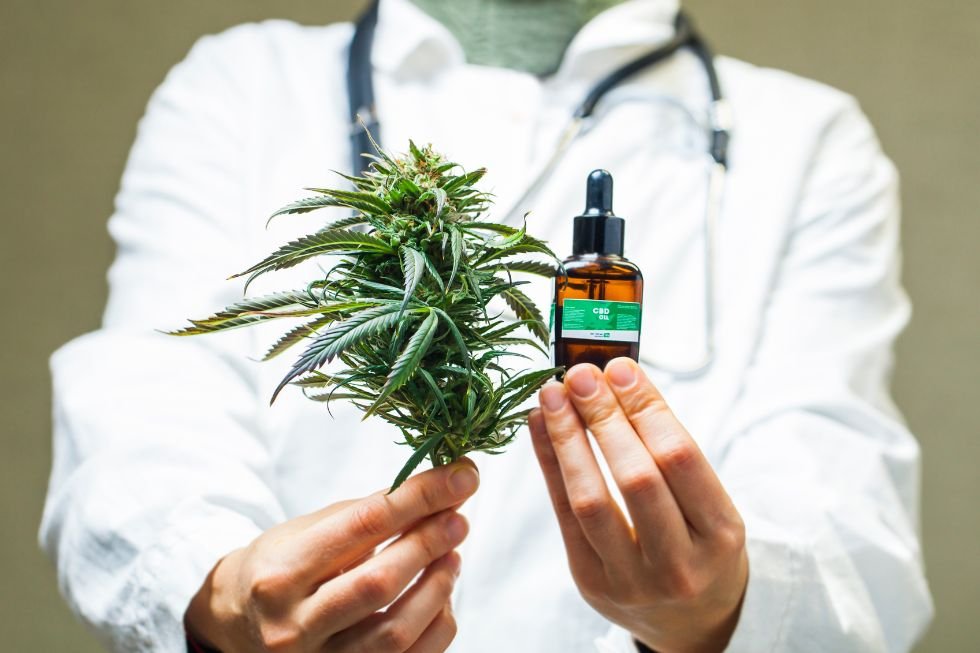
South Carolina faces rising opioid overdoses and mounting economic costs as lawmakers continue to delay medical cannabis legalization. Between 2020 and 2022 the state recorded 18,063 opioid overdoses. State projections estimate the opioid crisis will cost South Carolina $361 million over the next 15 years. Local counties report especially acute burdens: Union County ranked second and third highest for overdose rates among 46 counties in 2020 and 2021.
Advocates — including patients, physicians and public-health researchers — argue that legalizing medical cannabis would expand treatment options, reduce opioid prescriptions, and lower overdose rates. Their proposal focuses on three measurable changes: increase prescriber choices, reduce opioid dose levels, and lower nonmedical opioid use.
What legalization would change for doctors and patients Doctors now choose between over-the-counter analgesics and prescription opioids for many types of pain. Medical cannabis would add alternative modalities that physicians can tailor to specific conditions and patient tolerances. Clinicians already use controlled substances in narrow, medically supervised settings (for example, cocaine in sinonasal surgery and diamorphine in some end-of-life care), a point proponents cite when arguing for regulated medical cannabis.
Policy advocates list specific conditions that medical cannabis can target. State-level and federal sources identify uses for glaucoma, epilepsy, Crohn’s disease and multiple sclerosis; the South Carolina legislature reports roughly 4,000 residents with multiple sclerosis. Cancer patients in states with medical cannabis laws commonly report using it to reduce chemotherapy-induced nausea and to stimulate appetite.
Forms and dosing matter. Patients can use inhaled cannabis, pills, edibles, sublingual liquids, or topical formulations. These options let clinicians choose delivery methods that match treatment goals and limit systemic exposure when appropriate.
Evidence on opioid use and nonmedical consumption Researchers have measured changes in opioid prescribing and use after medical cannabis access. A 2023 analysis from City University of New York and New York State researchers found that among people with chronic pain who used medical cannabis over eight months, opioid dosages fell by 47%–51% relative to baseline. Other studies, including research led by Rutgers University, report that states legalizing medical cannabis experience declines in nonmedical opioid use compared with states that do not.
Those findings show associations, not guaranteed outcomes. Researchers caution that patient selection, program design, and regulation affect results. Still, the data indicate that regulated medical cannabis programs can change prescribing patterns and substance-use trends in quantifiable ways.
Safety profile and side effects All medicines carry side effects; cannabis is no exception. A 2022 Canadian review reported an average adverse-effect rate near 26% across studied populations, a figure comparable to discontinuation or adverse rates reported for some standard drugs. For example, a 2005 American College of Cardiology report documented a 28.9% discontinuation rate linked to ramipril side effects.
Proponents argue that these numbers support a risk-management approach rather than outright prohibition. With regulated access, clinicians can monitor patients, adjust doses, and switch delivery methods to mitigate unwanted effects. Medical programs can require patient registries, adverse-event reporting and clear guidance on contraindications.
Criminal-justice and equity considerations The current ban on medical cannabis also affects criminal-justice outcomes. Historical policy choices during the War on Drugs era increased arrests for drug offenses and disproportionately affected Black communities. In later interviews, policy architects acknowledged that drug enforcement targeted political opponents and racial minorities as part of broader domestic strategies. Today, advocates say legalization can reduce low-level arrests and lessen barriers to employment and housing that follow drug convictions.
Opponents’ concerns and evidence on use rates Concerns that cannabis acts as a gateway to harder drugs persist in public debate. Studies that support a gateway hypothesis often rely on animal models or observational correlations with confounding factors. A 2009 University of Washington study found that decriminalizing marijuana possession did not increase population-level cannabis use. Policymakers who oppose legalization argue about youth access, impaired driving, and long-term psychiatric effects; these are measurable risks that legalization frameworks must address through age limits, track-and-trace systems, impairment testing, and funding for behavioral-health services.
Policy design recommendations Based on available data and comparisons with other states and countries, advocates propose a policy package that includes:
– A medical registry for qualifying conditions and authorized prescribers. – Clear lists of qualifying illnesses and a process to add conditions based on clinical evidence. – Multiple licensed product types (inhaled, oral, topical) and potency limits to support physician dosing choices. – Mandatory adverse-event reporting and an independent outcomes evaluation after two and five years. – Age limits, ID verification, and criminal penalties targeted at unlicensed distribution to protect minors. – Funding for research into long-term outcomes, interactions with opioids, and impacts on overdose rates.
What lawmakers must weigh Legalization would not eliminate opioid misuse or erase related harms overnight. But measurable targets exist: reduce per-patient opioid dosages; lower nonmedical opioid use prevalence; decrease overdose counts; and cut state spending tied to treatment and criminal-justice costs. Lawmakers can set specific benchmarks (for example, 20–50% reduction in opioid dose among registered medical-cannabis patients within 12 months) and require transparent reporting to evaluate progress.
South Carolina currently stands at a policy choice point. Data from other jurisdictions show quantifiable changes in prescribing and use after legalization. State legislators can design a medical cannabis law that expands therapeutic options, tracks outcomes, protects minors, and funds research. The state can measure success by changes in overdose rates, opioid prescribing levels, criminal-justice metrics and patient-reported symptom relief.