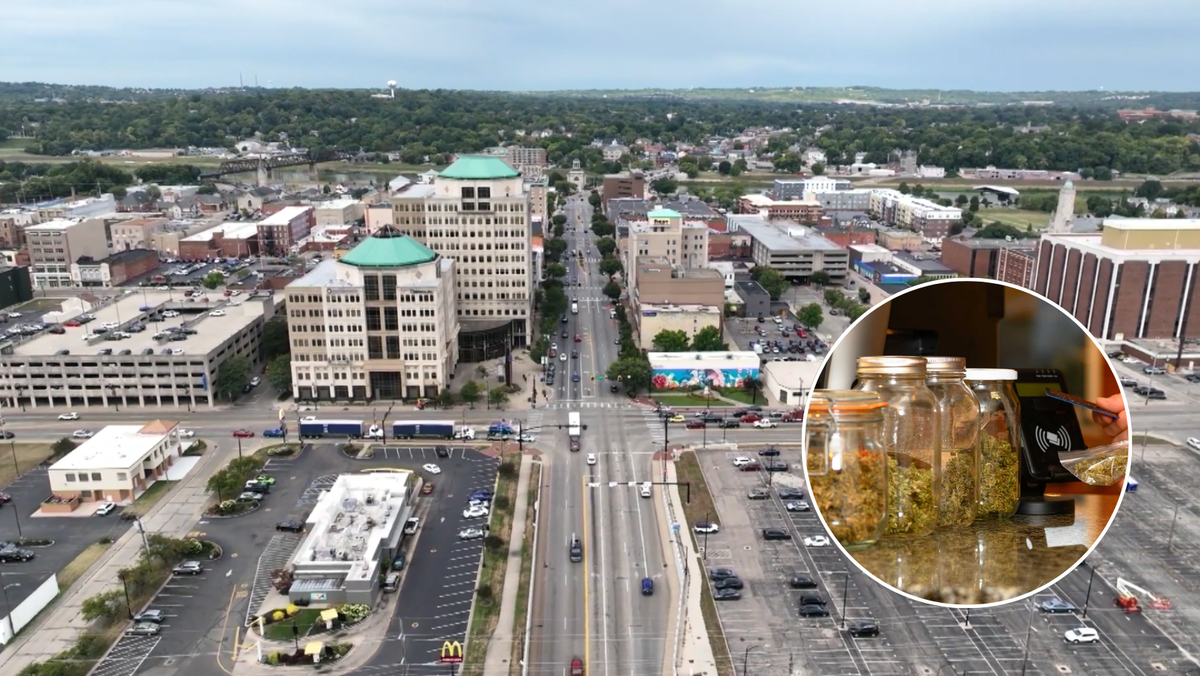
John Day City Council will refer a proposed 3% cannabis tax to voters in the November 2026 general election, estimating $60,000–$100,000 in annual revenue for public safety, infrastructure, or other council-directed uses. The referral appears alongside city budget votes the council plans to take on June 23.
At a joint meeting with the John Day Urban Renewal Agency (URA) board, officials will first consider the URA budget. The URA board is scheduled to adopt a $192,000 budget and ask the Grant County assessor to raise the maximum permissible revenue by dividing taxes in accordance with Oregon law. The board will then appropriate that URA budget.
The city council meets immediately after the URA board and will vote to adopt a city operating budget of nearly $19.5 million for fiscal year 2026–27. Council actions on the agenda include: – Voting to participate in the state revenue sharing program. – Imposing a property tax rate of $2.9915 per $1,000 of assessed value for city operations. – Adopting a new master fee schedule for fiscal year 2026–27 and repealing all prior master fee schedules. – Voting to adopt Ordinance 26-02, which refers the proposed 3% cannabis tax to the November 2026 General Election ballot.
City documents forecast the cannabis tax could produce between $60,000 and $100,000 annually. The council identified public safety and infrastructure as primary spending categories but left open the option to allocate revenue to other council-directed priorities. If voters approve the measure, the tax would apply to retail cannabis sales within John Day city limits and the city would collect the revenue to fund the designated programs.
The proposed property tax rate of $2.9915 per $1,000 is specifically for operations; voters will not see a separate ballot item for that rate as part of this meeting. The master fee schedule vote will consolidate the city’s fees into a single ordinance for the 2026–27 fiscal year, replacing previous fee schedules used in earlier years.
Meeting logistics: the John Day URA board will convene at 5:30 p.m., and the John Day City Council will convene at 6:30 p.m. on Tuesday, June 23. Both meetings will take place at the John Day Fire Station, 316 S. Canyon Blvd., John Day.
What happens next: If the council adopts Ordinance 26-02 to refer the measure, county election officials will place the cannabis tax question on the ballot for the November 2026 General Election. Voters will then decide whether to approve the 3% local tax on retail cannabis sales. If voters reject the measure, the city will not collect the tax and the council would need to identify other revenue sources to cover any funding gaps in the adopted budget.
How the revenue would be tracked: City staff will need to set up accounting lines to receive and track cannabis tax receipts and ensure spending aligns with council directives. The council will review revenue and expenditures in future budget cycles and can propose adjustments or new allocations in subsequent years.
The combined agenda highlights how local revenue decisions and voter approval processes can intersect: the council will finalize the city’s operating budget and related tax and fee measures while asking residents to weigh in on a new revenue stream from cannabis sales. The meetings are open to the public and will record formal votes that set the fiscal framework for John Day’s 2026–27 year.
For residents who want to review the city materials, the agenda and backup documents are available through city offices and the John Day municipal website. Those who wish to comment in person can attend the June 23 meetings at the fire station; the agenda will provide details on public comment procedures during the sessions.