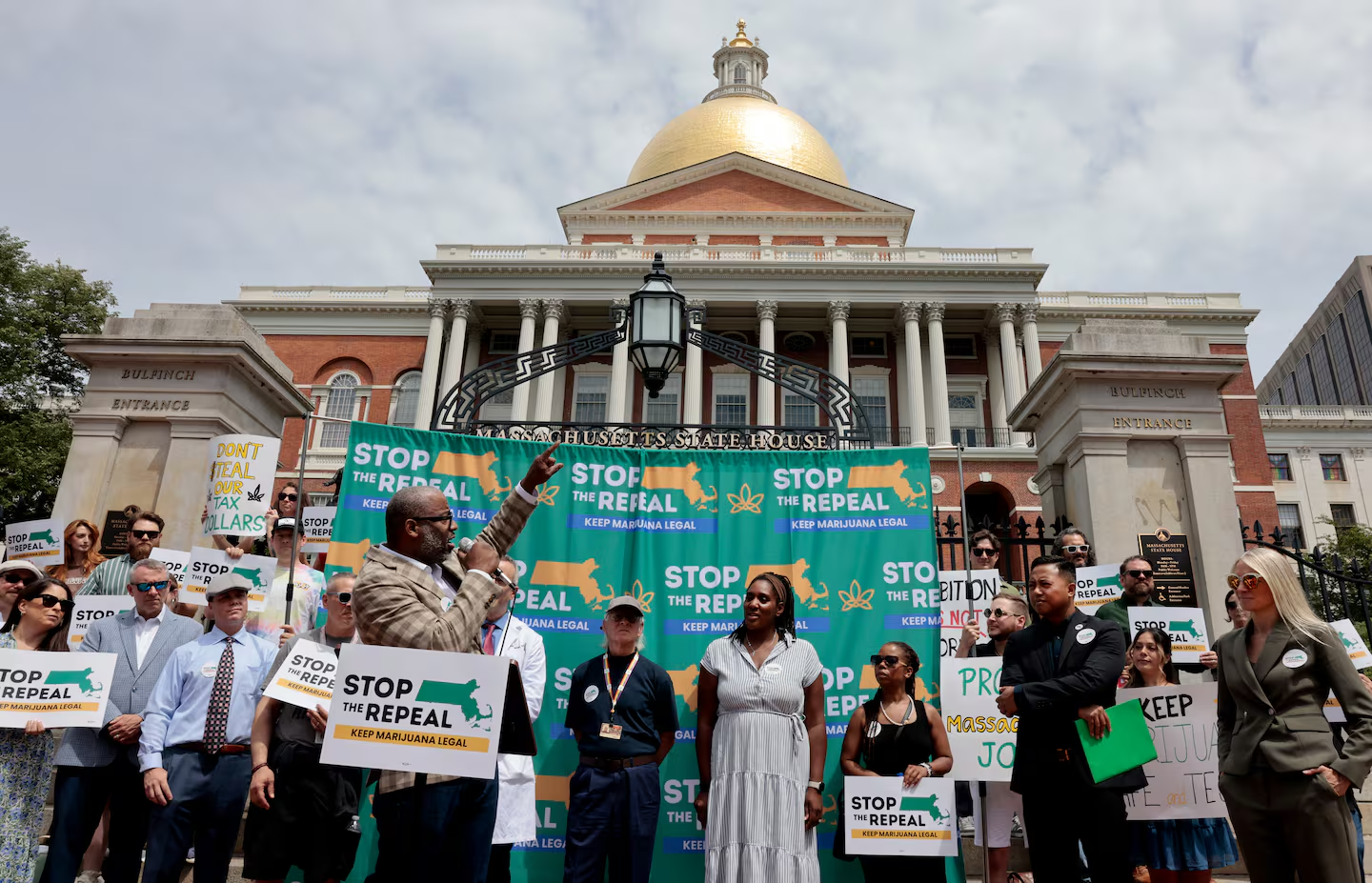
Massachusetts is preparing for a statewide vote on cannabis legalization repeal after anti-marijuana backers submitted final signatures this week. If certified in July and approved by voters, the measure would end regulated recreational cannabis sales in the state and would mark the first time a U.S. state has reversed voter-approved legalization.
What the measure would do – The proposal targets recreational sales and regulation, not medical cannabis. Medical programs would remain intact under the measure. – If approved, the law would not take effect until 2028, giving adult-use retailers time to convert to medical dispensaries or sell inventory. – Adults 21 and older could face a $100 fine for possession of small amounts. Minors would face the same fine plus mandatory drug-awareness training. Public consumption remains prohibited under current rules and would not change under the repeal.
Campaigns and funding Two organized campaigns have formed around the question. Stop the Repeal, backed largely by cannabis industry groups, opposes the ballot measure. The Coalition for a Healthy Massachusetts is sponsoring the repeal effort, and Smart Approaches to Marijuana (SAM), a Virginia-based nonprofit, has reported $1.5 million in contributions to the Massachusetts campaign as of January. SAM also allocated $2 million for a similar initiative in Maine and reported $23.2 million in assets in its 2024 federal disclosure. Opponents of the repeal have criticized SAM as an out-of-state funder trying to influence state policy. Supporters of repeal say they also expect outside money.
Industry representatives and pro-legalization groups say fundraising will determine the outcome. Ballotpedia and state records show the better-funded side won nearly 75 percent of statewide ballot questions in Massachusetts since 2008. Stop the Repeal’s chair, Ryan Dominguez, said the campaign will lean on trade groups and businesses that depend on adult-use sales but acknowledged market pressures. Jesse Mermell, a consultant for pro-cannabis groups, said many retailers face thin margins because of an oversupplied market and low prices.
Policy arguments and public safety claims Repeal supporters argue commercialization led to higher potencies, increased youth access, and traffic safety concerns. Kevin Sabet, president of SAM, said supporters are responding to what he described as “buyer’s remorse” after several years of retail expansion. Opponents contend repealing the law would punish lawful businesses, erase hundreds of millions in tax revenue, and revoke a voter decision first made in a 2016 referendum. Massachusetts recreational sales totaled about $1.65 billion in the most recent year of available data.
Polling and voter views Polling on the question has produced different snapshots. A University of New Hampshire survey earlier this year found 63 percent of respondents opposed to repeal; that survey asked about policy positions rather than a direct vote. A separate poll commissioned by the Retailers Association of Massachusetts in April–May found a closer margin: 41 percent would vote to repeal recreational sales, 48 percent would reject repeal, and 11 percent were undecided. The retail association opposed legalization in 2016 but voted in June not to back the current repeal, saying sudden rollback could disrupt businesses that have integrated cannabis into the state’s retail landscape.
Legal fights and signature gathering Industry groups filed legal challenges to keep the question off the ballot; courts rejected those attempts and the state’s Ballot Law Commission dismissed fraud allegations tied to petition-gathering for lack of evidence. State officials will officially certify ballot questions in July. During the signature drive, video circulated showing a petition circulator allegedly misrepresenting the campaign’s goals; the vendor hired that worker and the campaign said it fired the person. Co-sponsor Wendy Wakeman said the coalition has “zero tolerance” for misleading circulation tactics.
What’s at stake financially and politically Proponents of repeal say they seek to curb what they describe as unchecked commercialization, not to reintroduce heavy criminal penalties. Opponents warn that repeal would eliminate a retail sector that produced hundreds of millions in annual tax revenue and supported hundreds of shops across Massachusetts. Campaign operatives on both sides describe the upcoming contest as a difficult, high-stakes fight. Adam Smith, executive director of the Marijuana Policy Project, said pro-legalization groups are concerned about being outspent. Stop the Repeal officials argue they are defending local communities from perceived harms tied to retail expansion.
Timeline and voter decision – Final petition signatures have been submitted; state certification is expected in July. – If voters approve repeal, provisions affecting recreational sales would take effect in 2028. – Medical cannabis would remain legal under the proposed change.
Implications for other states This ballot drive is part of a broader pattern of repeal and rollback efforts surfacing in multiple states this election cycle, despite recreational cannabis now being legal in 24 states plus Washington, D.C. Campaigns in Maine and exploratory efforts in Arizona that did not reach the ballot drew financial support from the same national groups involved in Massachusetts.
Bottom line Massachusetts voters will weigh whether to rescind a 2016 voter-approved framework for legal recreational cannabis. Key variables include campaign funding, voter turnout, and public concern about youth use and public safety. The state’s decision will provide the first concrete test of whether a previously legalized adult-use market can be rolled back through direct democracy.