
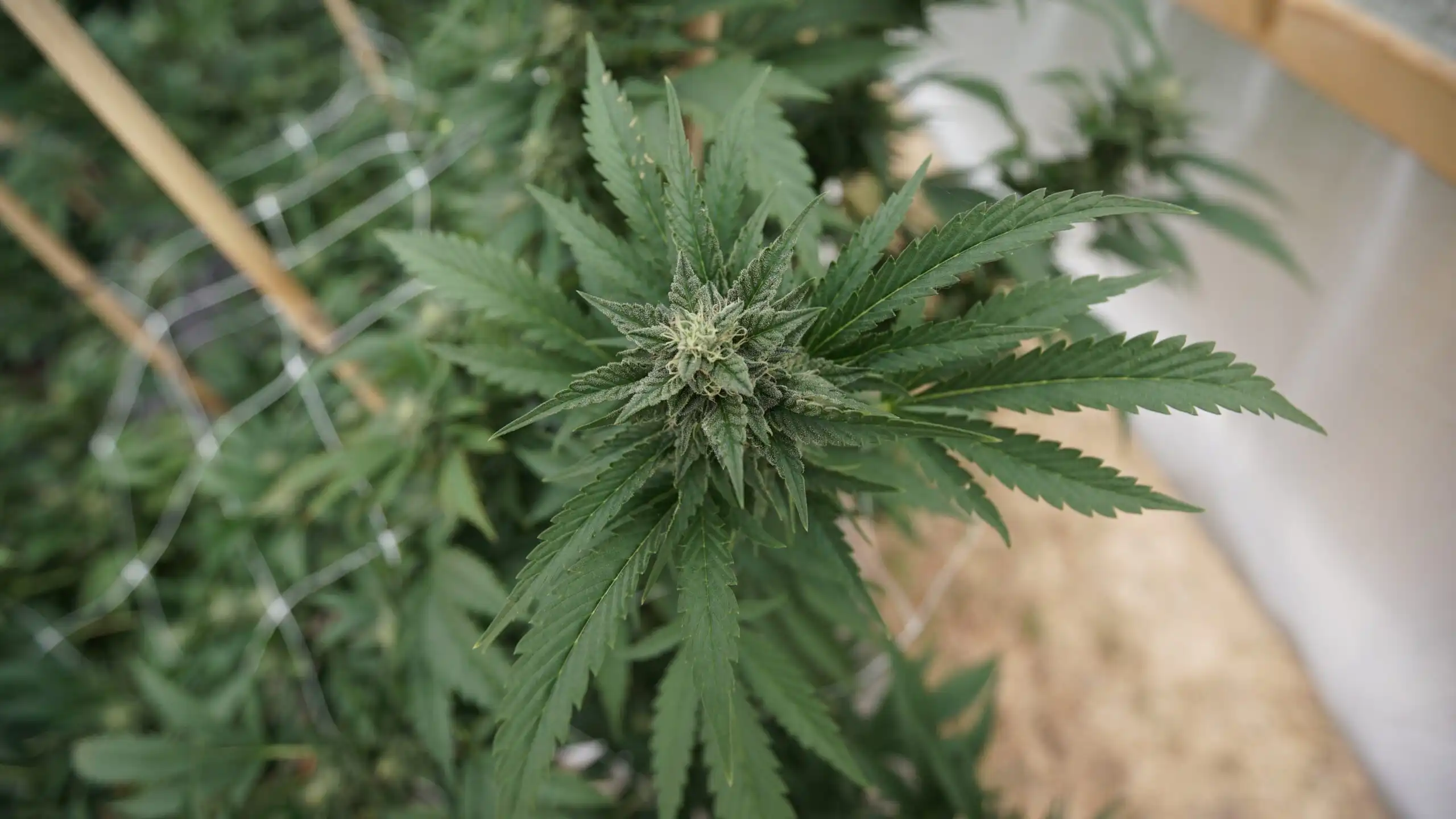
Acting Attorney General Todd Blanche declined to commit to broader cannabis rescheduling when pressed during his confirmation hearing, saying he would not expand scheduling beyond medical use and indicating he would not hesitate to prosecute simple possession in national parks. The exchange occurred as Blanche seeks permanent appointment to lead the Justice Department and drew renewed attention to federal enforcement policy.
Blanche told senators he supports limited rescheduling for medical purposes but stopped short of endorsing removal of cannabis from Schedule I or wholesale reclassification. He also said federal prosecutors retain authority to charge possession and other cannabis-related offenses on federal land, a position that could affect users in national parks, monuments and other federally managed areas.
In Massachusetts, the State Ballot Law Commission rejected a challenge to petition signatures for an initiative that would roll back parts of the state’s marijuana legalization law, clearing the measure for the November ballot. The commission found the signatures met the state’s threshold, ensuring voters will decide whether to alter existing rules on retail sales and licensing.
Sen. John Fetterman (D-PA) used blunt language to urge Congress to act on legalization. “I’ve always been very pro-weed,” he said. “I think your path to wellness should be without judgement or punishment—legal, safe, and regulated.” Fetterman called on lawmakers to pass federal legislation to legalize cannabis rather than continue piecemeal reforms.
A study funded by the National Football League surveyed elite contact-sport athletes and found they use cannabis deliberately for recreation, symptom management and recovery. Researchers reported athletes face barriers including misinformation, stigma and inconsistent policy guidance from teams and leagues. The study documented use patterns and identified conflicts between medical needs and workplace drug rules.
Max Jackson, writing in an op-ed, described attending the Drug Enforcement Administration’s public hearing on cannabis rescheduling as “the strangest proceeding I have ever sat through.” The DEA convened the hearing to gather testimony on petitions seeking to change cannabis’s federal classification; public commenters included researchers, patients, industry representatives and law enforcement officials.
In Nebraska, the Medical Cannabis Commission approved rules that set application and licensing fees for marijuana businesses. Regulators said the fee structure is intended to cover program costs and provide a predictable framework for operators seeking state licenses.
Other federal and state developments this week: – House Energy and Commerce Chairman Brett Guthrie (R-KY) asked witnesses about ways to accelerate development of psychedelic medicines during a congressional hearing. – Rep. Max Miller (R-OH) reportedly had MDMA in his system at the time of a 2011 crash for which he was charged with operating a vehicle while intoxicated; the report has prompted renewed scrutiny of his record. – A Navy veteran sued in federal court seeking review of a dishonorable discharge tied to marijuana use and requested an upgrade to honorable status, citing changes in law and policy. – Virginia Gov. Abigail Spanberger (D) appointed a new member to the Cannabis Equity Reinvestment Board to direct penalties and fees toward communities affected by past drug policy. – Maryland regulators opened a public comment period on proposed changes to marijuana rules, including licensing and compliance requirements. – Oklahoma regulators defended enforcement actions taken against several medical cannabis businesses, saying inspections found violations of state law and public-safety rules. – California Highway Patrol awarded more than $41 million in grants funded by marijuana excise tax revenue to support impaired-driving prevention and enforcement programs. – Minnesota’s Cannabis Expungement Board reported ongoing efforts to identify eligible records and clear convictions related to marijuana possession and low-level offenses. – Nevada’s Cannabis Advisory Committee Taxation Subcommittee scheduled a meeting to review tax policy and revenue projections. – A Michigan judge lifted an injunction in Menominee that had halted city officials from issuing additional retail marijuana licenses, allowing local licensing to proceed.
New research and health items: – A German study found no immediate increase in cannabis use among young people one year after partial legalization, measuring prevalence before and after the policy change. – An animal study on rats reported that ayahuasca treatment reduced relapse drinking and prevented alcohol-induced anxiety- and depression-like behaviors; researchers stressed this is preclinical work and not directly transferable to humans.
Advocacy, business and culture: – The Hawai‘i Alliance for Cannabis Reform published a voter guide ahead of primary elections, detailing candidates’ positions and ballot measures. – Workers at The Botanist New Jersey voted to unionize, marking a labor milestone in the cannabis retail sector. – Actress Sharon Stone publicly explained her decision to stop smoking marijuana, citing personal health considerations.
What this means: Blanche’s limited response on cannabis rescheduling keeps federal policy in a holding pattern. States and localities continue to refine rules on licensing, fees and equity, while research and industry developments highlight tensions between evolving medical uses, workplace and league policies, and federal criminal enforcement. Voters in several states will face ballot and legislative decisions this year that could change market rules and expungement pathways.
Key numbers and concrete actions to watch: – $41 million: California grants funded by marijuana revenue for impaired-driving programs. – November 2026: Massachusetts voters will decide whether to alter the state’s marijuana law after the Ballot Law Commission upheld petition signatures. – DEA hearing: public testimony continues to shape agency review of rescheduling petitions; stakeholders across research, medical and enforcement communities testified about reclassification options.
This roundup summarizes recent policy, regulatory and research developments that will affect federal enforcement, state markets and public-health programs related to cannabis.