
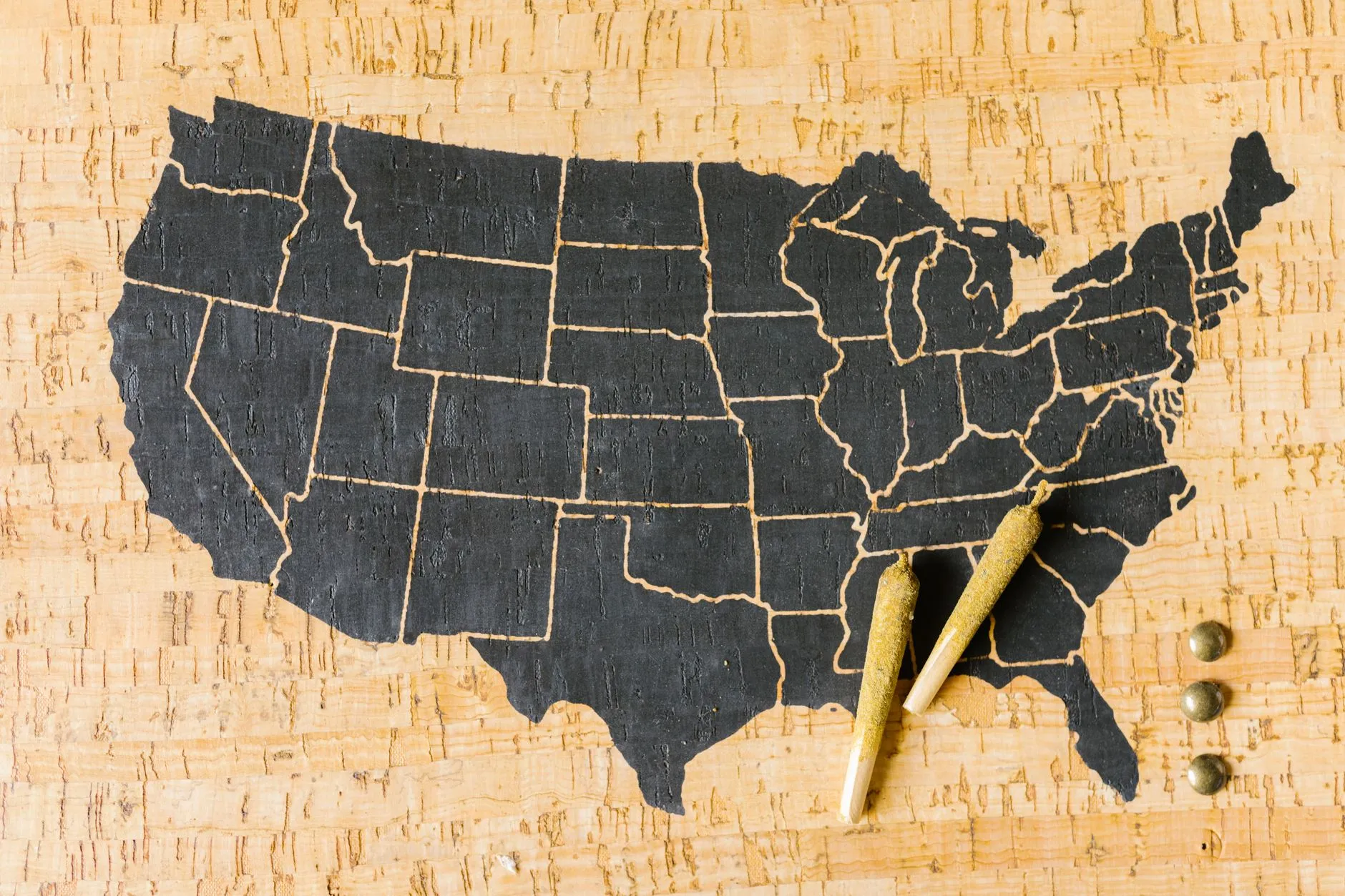
cannabis legalization returns to the Senate as Sens. Cory Booker (D-N.J.), Ron Wyden (D-Ore.) and Majority Leader Chuck Schumer (D-N.Y.) reintroduced the Cannabis Administration and Opportunity Act (CAOA), a bill first filed in 2021 that would remove cannabis from the federal Controlled Substances Act (CSA).
Fourteen Democratic senators have signed on as co-sponsors. The CAOA proposes to declassify cannabis at the federal level by taking it out of the CSA, create a federal regulatory framework for production and sales, expunge past low-level cannabis convictions, and give states the authority to set their own cannabis laws.
The reintroduction comes after a federal rescheduling earlier this year that applied only to states with medical cannabis programs. Supporters of full removal say that rescheduling to a lower federal schedule, or narrowing rescheduling to certain states, leaves large legal and practical problems in place.
Lawmakers and industry advocates list several direct effects they expect from CAOA if it becomes law. Removing cannabis from the CSA would free researchers from Schedule I restrictions that now limit study design, sample access and federal grant eligibility. That change would let universities and private labs secure a wider range of cannabis materials for clinical trials and basic research without seeking special DEA approvals tied to Schedule I drugs.
CAOA also targets criminal records: the bill would require expungement of low-level cannabis possession convictions at the federal level and provide funding and mechanisms to help states clear similar records. Supporters point to thousands of people whose arrests and convictions for small cannabis offenses have affected employment, housing and education opportunities; expungement aims to restore access to those services.
On the economic side, the bill would end one of the main barriers that cannabis-related businesses face today. Under current federal law, many banks, insurers and payroll processors decline to work with producers and retailers because cannabis remains illegal under federal statute. CAOA would let financial institutions offer accounts and services to cannabis businesses without the legal risk tied to federal prohibition, according to the bill summary.
The legislation also includes workplace and public-safety provisions. It would eliminate drug testing for cannabis in many employment contexts at the federal level, set up programs to prevent youth cannabis use, and expand federal protections for people working in the cannabis industry. The bill would direct federal agencies to establish product-safety rules, labeling requirements and advertising limits intended to protect public health.
Sen. Booker framed the bill as a corrective to decades of criminal-justice policy that disproportionately affected communities of color. In a joint statement, he said the CAOA would “dismantle the unjust and outdated federal marijuana prohibition, establish a federal regulatory framework to protect public health and safety, expunge past convictions for low-level cannabis offenses, and deliver restorative justice to the communities most harmed.” Schumer and Wyden reiterated that criminalization damaged specific communities and inhibited research and commerce.
Opponents and some policy analysts have raised questions about aspects of the CAOA, including its details on taxation, regulation of potency and workplace rules. Past attempts to pass similar federal bills stalled amid concerns over federal-state balance, the scope of expungements, and how to regulate cannabis products across a patchwork of state laws.
Political prospects for the CAOA remain uncertain. The Senate majority leader’s sponsorship signals priority, but the chamber’s procedural rules mean the bill will face debate over whether it can clear a filibuster; absent changes to Senate rules, supporters likely need 60 votes to advance major legislation. If the bill cannot gather that support, parts of its agenda — for example, banking relief or research access — might move forward through narrower, more targeted measures.
For researchers, business owners and people with low-level cannabis convictions, the CAOA lays out specific, measurable changes: removal from the CSA; mechanisms to expunge eligible records; greater access to banking and insurance; federal product standards; and programs aimed at reducing youth use. The bill’s backers emphasize those concrete outcomes as the reasons to pursue full declassification rather than partial rescheduling.
The CAOA’s reintroduction sets up a new legislative debate on federal cannabis policy that will test how senators balance public-health rules, criminal-justice reform, and the commercial realities of a growing state-regulated market. Passage would shift the legal status of cannabis nationwide and change how researchers, courts and financial firms operate around cannabis-related activity.