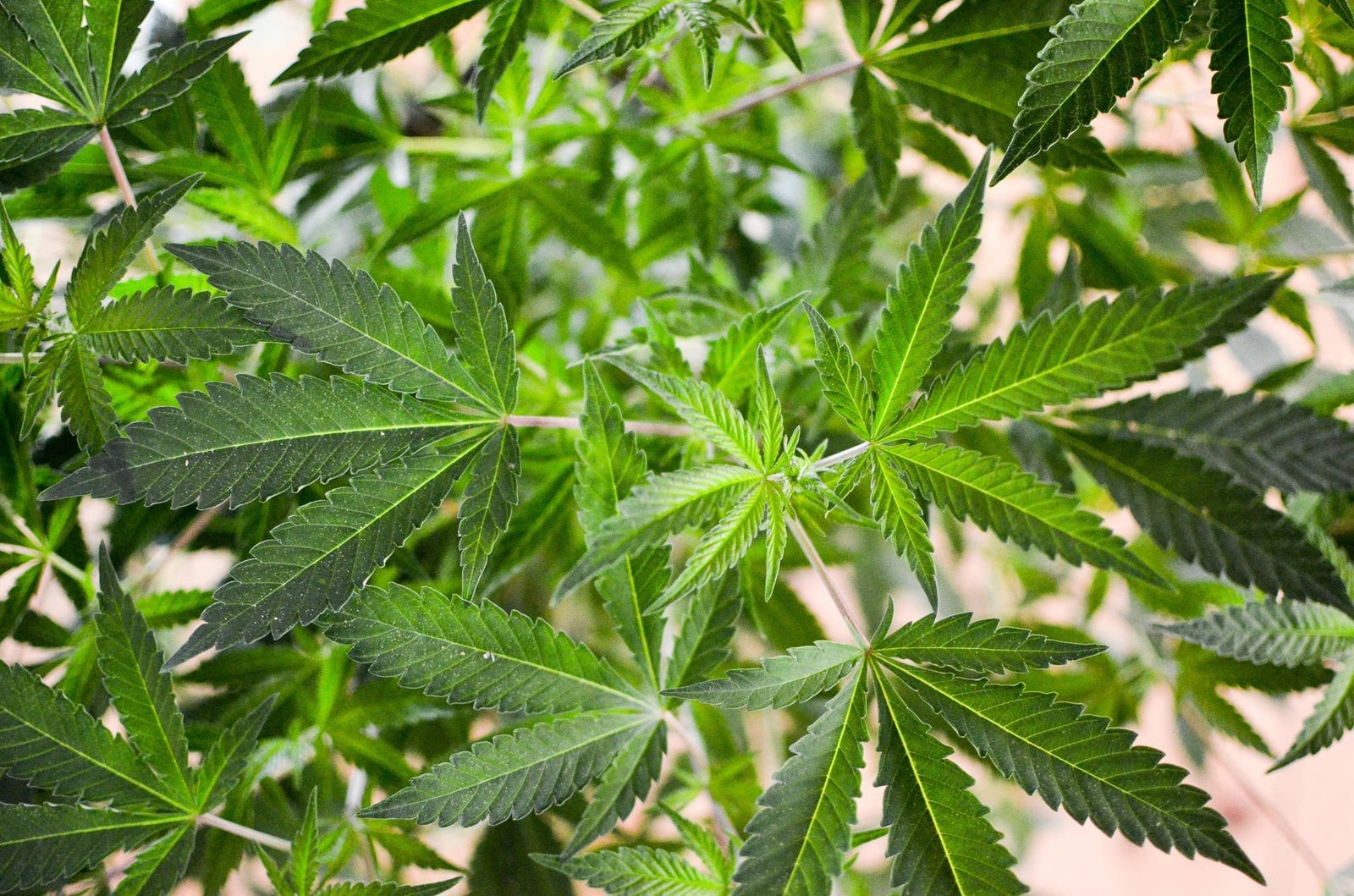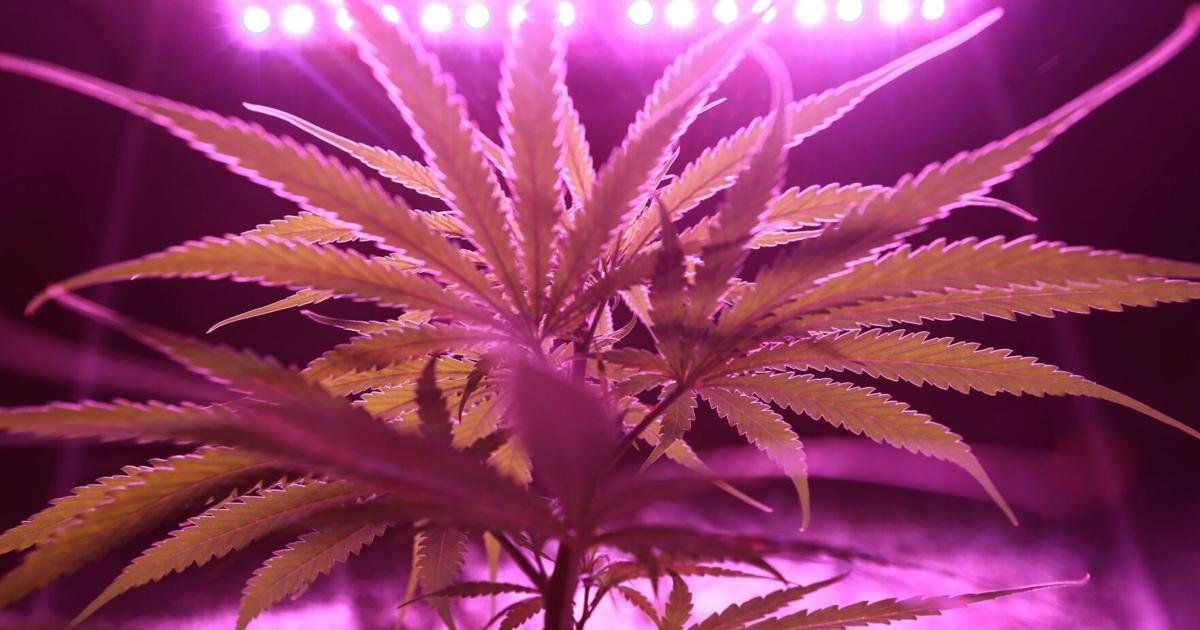
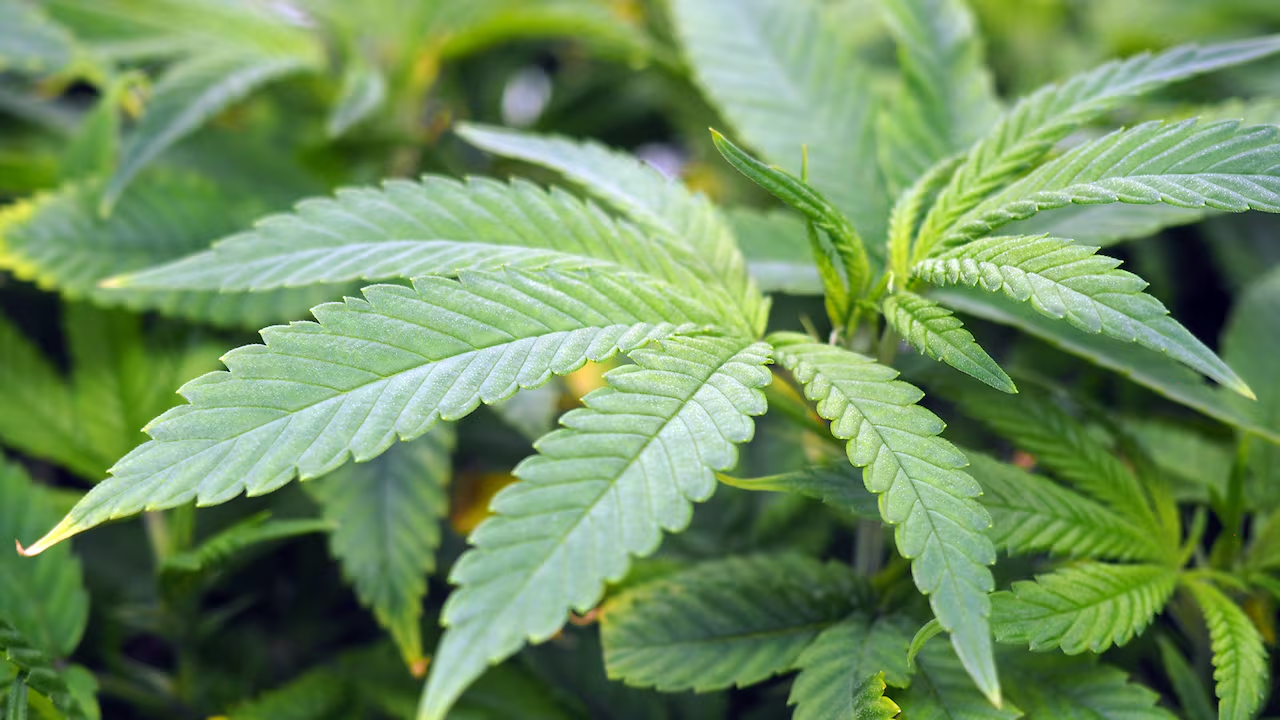
cannabis licensing remains on hold as the Narcotics Control Commission (NACOC) warns that no cultivation licences have been issued and that all existing cannabis farms nationwide are operating illegally and may face sanctions.
NACOC’s Education Unit in the Volta Region said Parliament has not yet approved the final regulatory framework — including fees and charges — that the Commission needs before it can issue licences. Assistant Narcotics Control Officer (ANCO) John Gilbert told the Ghana News Agency in Ho that until Parliament completes that step, any reported cultivation constitutes an offence under current law.
Scope of permitted cultivation Ghana’s law restricts legal cannabis cultivation to medicinal, industrial and scientific research purposes. NACOC reiterated that recreational use and smoking remain illegal. Gilbert specified a chemical threshold: licensed cultivation under the proposed regime would produce plants with tetrahydrocannabinol (THC) levels at or below 0.3%, which the Commission says will be suitable for medicinal processing rather than recreational consumption.
Licence categories and applicant requirements ANCO Millicent Marfo said NACOC has drafted 11 licence categories covering core activities: cultivation, transportation, storage, processing, distribution and related functions. Key applicant criteria she listed include: – Minimum age 18 years. – Demonstrable financial capacity and technical competence. – Proof of land ownership or lawful land access. – Police clearance certificate and tax clearance certificate. – Business registration where applicable.
Marfo added foreign participation rules: foreign investors may participate only through companies with at least 50% Ghanaian ownership, and permanent resident foreigners must meet the same legal and regulatory checks as Ghanaian applicants. The Commission will perform background checks and inspect proposed cultivation sites before issuing any licence.
Security and monitoring requirements NACOC will require successful applicants to install active monitoring systems, including Closed-Circuit Television (CCTV) cameras, at cultivation and processing sites. The Commission said it will coordinate monitoring and inspections with the Environmental Protection Agency, Ministry of Food and Agriculture, Food and Drugs Authority, Ghana Standards Authority and other stakeholders to verify compliance at each stage: cultivation, processing, storage and distribution.
Enforcement and penalties Because NACOC has not issued any licences to date, the Commission regards current farms as illegal operations subject to enforcement action. ANCO Gilbert warned that operators could face sanctions, which may include fines, seizure of plants or equipment, and criminal prosecution depending on the scale and circumstances of the offence. NACOC did not publish a penalty schedule in the interview but emphasized enforcement will follow statutory provisions once Parliament finalizes the regulations.
Concrete steps for prospective applicants NACOC’s checklist gives applicants a clear list of documents and capabilities to prepare: proof of capital or financing mechanisms; technical or agronomic plans for cultivation; land documentation; tax and police clearances; and business registration records. Applicants should also budget for security and monitoring infrastructure such as CCTV and secure storage facilities, and plan to keep product THC concentrations at or below 0.3% if they seek medicinal approval.
Impact on current growers and investors Growers who started operations before the framework is finalized face legal risk. NACOC’s public statement creates immediate legal uncertainty: without a licence, operators cannot lawfully cultivate, transport, process, store or distribute cannabis for medicinal or industrial purposes. Foreign investors must factor the 50% Ghanaian ownership rule into partnership structures and due diligence.
Next steps and timeline The single procedural barrier NACOC cited is parliamentary approval of the final regulatory framework and fees. Once Parliament approves that framework, NACOC will begin issuing licences under the 11-category system, subject to inspections and background checks. Until that approval, NACOC will treat cultivation reports as violations and enforce existing narcotics laws.
What this means: facts to note – Number of licence categories: 11. – Minimum applicant age: 18 years. – Required local ownership for foreign investors: at least 50% Ghanaian. – THC threshold for licensed cultivation: 0.3% or below. – Agencies involved in oversight: EPA, Ministry of Food and Agriculture, FDA, Ghana Standards Authority and NACOC.
For growers and investors this announcement clarifies immediate legal standing and specific compliance expectations while Parliament finalizes rules. Operators currently cultivating should pause expansion and consult legal counsel; prospective applicants should assemble financial, technical and land documentation and plan for security systems before applying once the framework is approved.