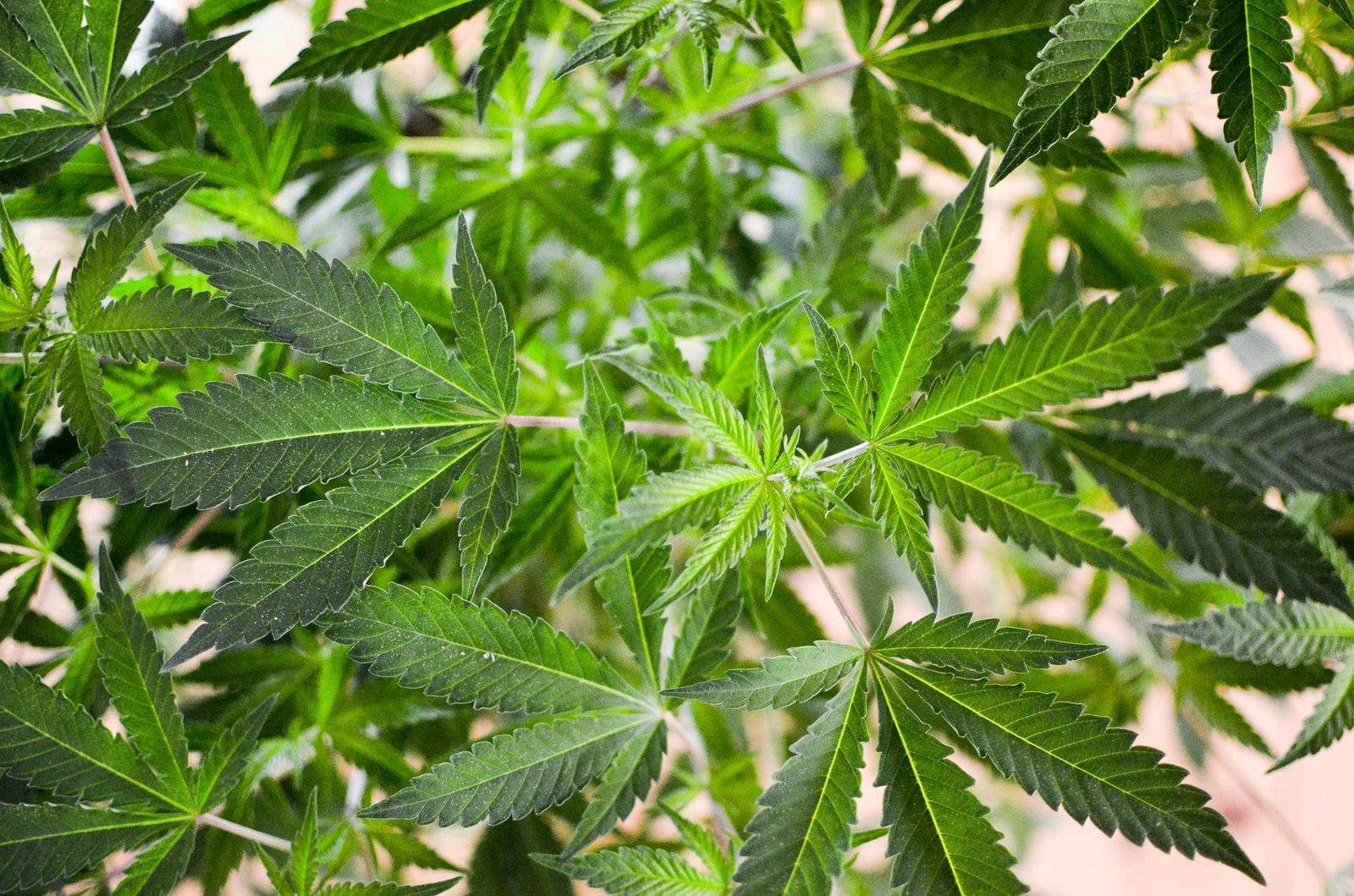
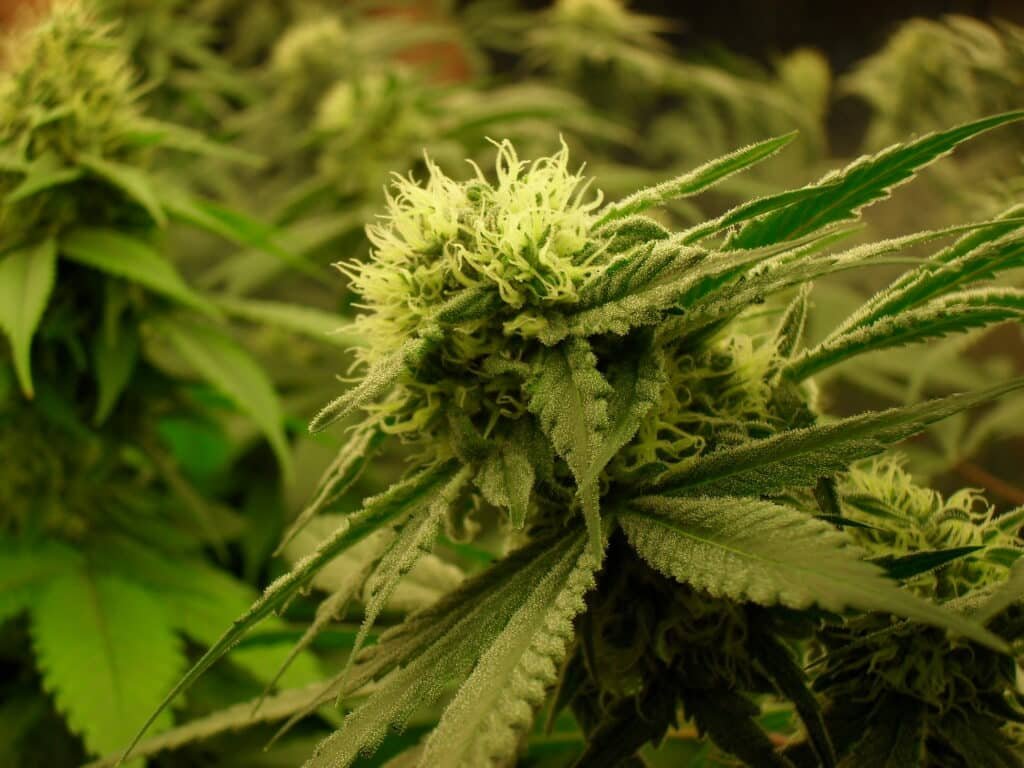
medical cannabis is legal in 47 states, yet nearly 4 million adults on probation or parole face rules that block access to doctor-recommended treatment. That group—almost double the combined population held in jails and prisons—must follow supervision conditions that can include drug testing and automatic penalties for positive marijuana tests. A positive cannabinoid result, even when a licensed clinician prescribes treatment, can trigger technical-violation proceedings and return to custody.
Supervision systems layer reporting requirements, curfews, and behavioral conditions on people released into the community. Those systems also enforce drug-free rules that were designed when cannabis remained widely illegal. The result: patients with chronic pain, PTSD, multiple sclerosis, or chemotherapy-related symptoms may be denied medical cannabis or punished for using it. In 2023, states spent an estimated $3 billion incarcerating people for technical violations that did not involve new criminal conduct—the category that typically includes a positive marijuana test.
Policy conflict and legal developments
Forty-seven states now authorize medical marijuana programs. Still, many statutes either explicitly exclude people under community supervision or leave courts and parole boards free to prohibit use as a condition of release. That produces inconsistent outcomes across jurisdictions.
Several states and courts have changed that dynamic. Minnesota, Missouri, Connecticut, New York, and Colorado passed laws that require individualized assessments before courts or parole boards can bar a supervisee from medical cannabis programs. Appellate courts in Pennsylvania, Michigan, and Arizona have ruled that blanket prohibitions on medical cannabis as a condition of release conflict with state medical cannabis statutes and therefore are unlawful. Administrative agencies in Washington, Florida, and Minnesota have adopted policies allowing registered medical cannabis patients to continue prescribed treatment while under supervision.
These state-level moves matter because federal policy is also shifting. The federal government has announced plans to move cannabis from Schedule I to Schedule III. Rescheduling removes the formal federal designation that treated cannabis as having no accepted medical use, which strengthens the legal argument against supervisory bans that prevent access to legal, clinically recommended care.
Concrete effects on individuals and budgets
When supervision terms treat medically authorized cannabis like illegal drug use, the effects are measurable. A single technical violation can return someone to jail at substantial cost: national estimates attribute roughly $3 billion in state spending in 2023 to incarcerations for technical violations. Those costs include jail beds, hearings, court staff, and probation/parole administration. For individuals, reincarceration disrupts employment, housing, family stability, and medical continuity.
Policy models that reduce harm and costs
Four regulatory and legal approaches have emerged as workable models:
– Statutory protections. States such as Minnesota and Connecticut require courts to evaluate each supervisee’s medical need and the risks of continued use before imposing a bar on medical cannabis. Statutory language often mandates a clinician review and written findings that explain why prohibition is necessary to protect safety or program goals.
– Judicial rulings. Appellate decisions in Pennsylvania, Michigan, and Arizona struck down per se conditions that banned medical cannabis use for everyone under supervision. Courts required individualized determinations tied to statutory medical programs.
– Agency policies. Departments of corrections or parole boards in Washington and Minnesota permit registered medical cannabis patients to use cannabis off-site or under monitored medical plans, while maintaining other conditions of release. These policies limit technical violations to cases where use demonstrably undermines supervision objectives.
– Treatment-court adaptation. Some specialty courts incorporate medical cannabis into treatment plans, distinguishing prescribed use from illicit use and focusing sanctions on noncompliance with treatment rather than automatic incarceration for a positive test.
Recommendations for policymakers
1. Require individualized medical review before restricting access. Statutes or administrative rules should obligate courts and parole boards to document a clinical assessment and narrow reasons for any ban on medical cannabis.
2. Exclude physician-authorized cannabis from per se positive-test violations. Supervision systems should treat a valid prescription or registry registration as a factor that prevents automatic reincarceration for cannabinoids detected in testing.
3. Track outcomes and costs. States should collect data on technical violations, the role of cannabinoid tests, and downstream costs (jail days, hearings, supervision hours) to measure fiscal impact and program effectiveness.
4. Integrate medical oversight into supervision plans. Probation and parole officers should work with treating clinicians to set monitoring protocols that preserve public safety while allowing prescribed treatment.
5. Update rules after federal rescheduling. As federal law moves cannabis to Schedule III, states should revisit supervisory rules that rely on the Schedule I designation to justify blanket prohibitions.
Evidence shows that denying medically authorized cannabis to people on probation and parole creates predictable harms: higher state corrections spending, interrupted medical care, and destabilized reentry. States and courts that require case-by-case review or allow registered patients to continue treatment provide practical templates for balancing supervision objectives with patients’ health needs. Rewriting supervision rules to reflect current state and federal law would reduce unnecessary incarceration, save public funds, and preserve access to clinically recommended care for people under community supervision.