A University of Nebraska–Lincoln survey shows growing support for cannabis legalization among state residents. The Rural Drug Addiction Research Center tracked opinions and use in the Nebraska Annual Social Indicators Survey for 2024 and 2026 and found measurable increases in both support and reported use.
Key findings – Support for cannabis legalization for both medical and recreational use rose from 44% in 2024 to 47% in 2026. – Support for medical cannabis increased from 80% in 2024 to 84% in 2026. – Use of marijuana purchased legally out of state rose from 11% in 2024 to 15% in 2026. – Reported use of Delta-8 and similar hemp-derived THC products grew from 8% in 2024 to 10% in 2026.
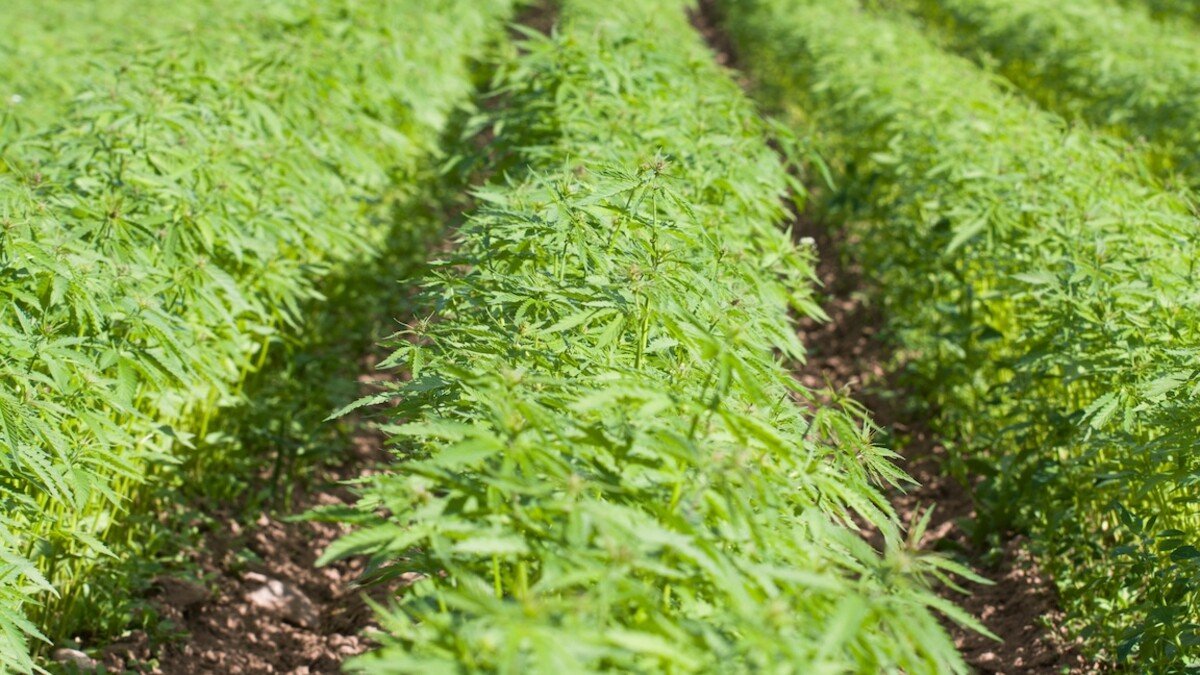
Voter action and rules Nebraska voters approved a medical cannabis ballot initiative in November 2024 with 71% voting in favor. State officials finalized and signed permanent regulations in 2026, and regulators issued the first cultivator license this month, allowing in-state commercial growing under the new program.
Market shifts and legal context The survey notes that some consumers already purchased cannabis legally outside Nebraska, primarily in neighboring Colorado and Missouri, where recreational marijuana is legal. The increase from 11% to 15% in out-of-state legal purchases suggests more Nebraskans are crossing state lines to obtain cannabis.
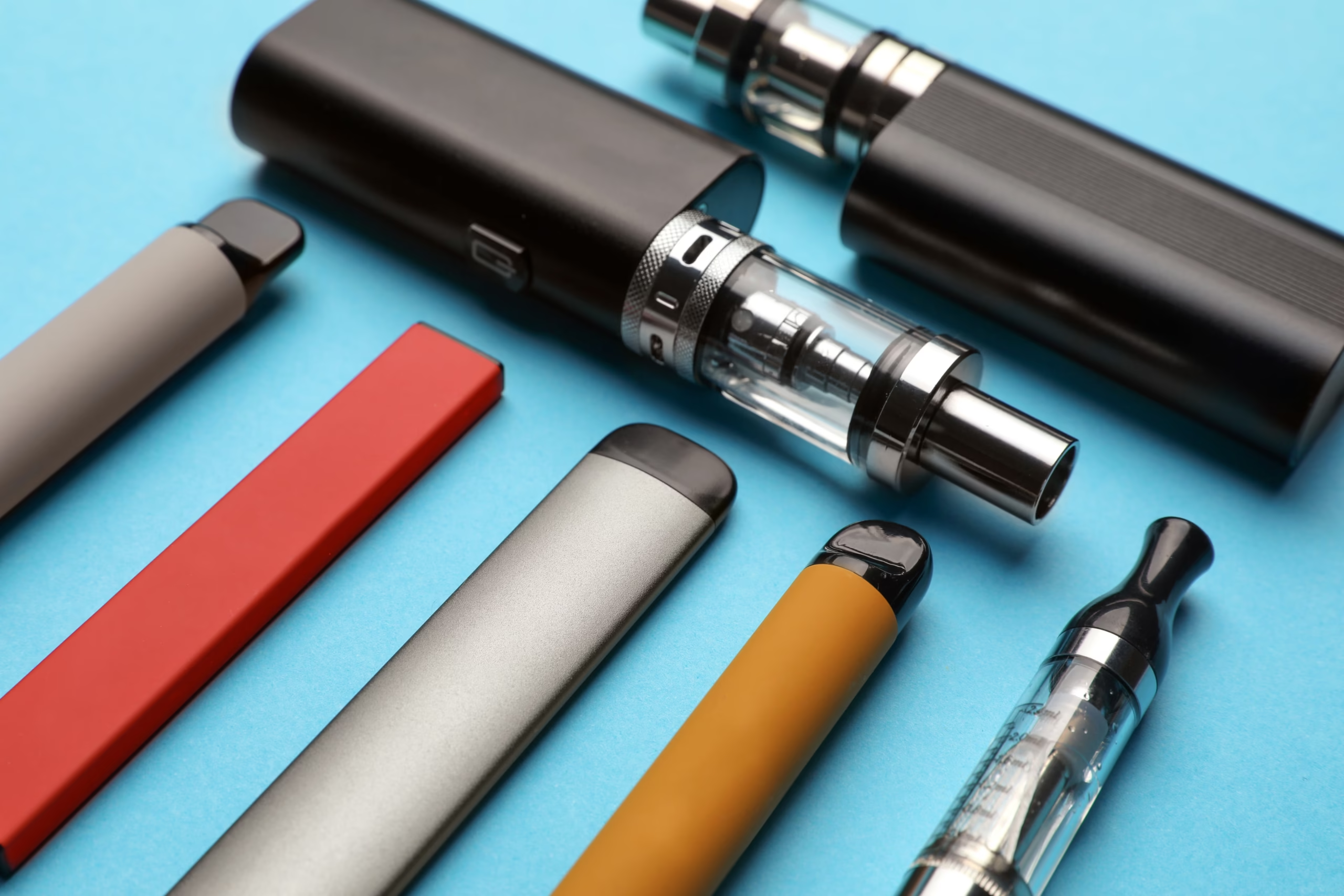
A separate but related development involves hemp-derived THC products such as Delta-8. These products became widely available under a 2018 federal Farm Bill provision that distinguished hemp from marijuana based on THC source and tested thresholds. Nebraska passed a state law to redefine legal THC thresholds for hemp; that law is scheduled to take effect in November 2026 and would close the Farm Bill loophole. Multiple lawsuits are already challenging the new state law.
Researcher observations Patrick Habecker, research assistant professor at the Rural Drug Addiction Research Center and co-author of the report, said the rise in cross-border purchases surprised him. He highlighted that recreational markets in Colorado and Missouri provide readily available legal supply for Nebraskans willing to travel. Habecker emphasized the need to monitor both opinion and behavior as the state implements medical cannabis rules and as the hemp THC standard changes.
Geographic differences Public support varies by population center. In metropolitan areas—Omaha, Lincoln, Grand Island and Sioux City—54% of respondents favored legal recreational and medical use. Support drops to 35% in micropolitan areas (Fremont, Norfolk, Columbus, Beatrice, Hastings, Kearney, Lexington, North Platte and Scottsbluff) and to 32% in other counties. These regional differences may affect patient access, dispensary locations, and cross-border purchasing patterns.
Policy implications and outstanding questions With a legal medical framework now approved and at least one cultivator licensed, Nebraska will begin operating an in-state medical market. At the same time, the possible closure of the Farm Bill hemp loophole could remove a separate source of THC products now sold through dispensaries and other outlets. Habecker listed several concrete outcomes to watch: whether consumers shift to an illicit in-state market if some sellers lose legal status; whether out-of-state purchasing increases further; or whether overall consumption declines.
What the data measures The survey measures self-reported opinions and self-reported use. It does not measure sales or enforcement activity. The percentages above reflect responses from Nebraska adults sampled in 2024 and 2026, reported by the University of Nebraska–Lincoln’s Rural Drug Addiction Research Center.
Next steps Habecker and the research center plan to continue tracking public opinion and reported use as Nebraska moves from ballot approval to implementation of medical cannabis programs and as state rules affecting hemp-derived THC products take effect. The forthcoming data will show whether voter support translates into local market participation, how regional differences affect access, and how legal changes alter consumer behavior.
For policymakers and regulators, the survey provides quantified shifts in support and use that can inform licensing, enforcement, and public-health outreach decisions. For researchers, the changes between 2024 and 2026 establish a baseline to measure the impact of new regulations and market developments on consumption and cross-border activity.