
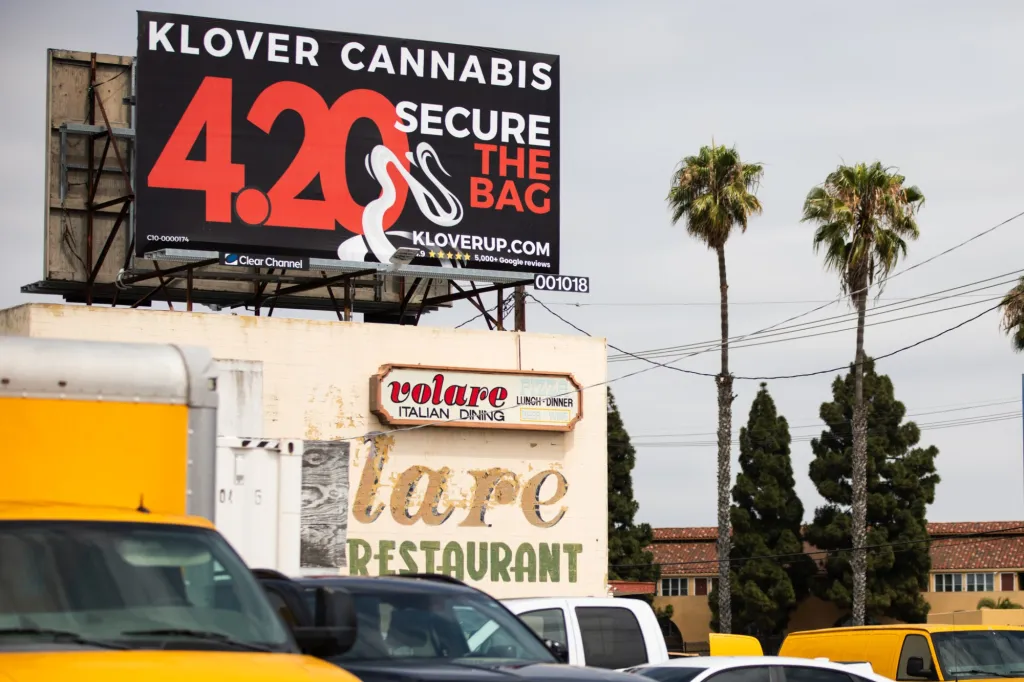
San Diego cracks down on cannabis delivery after the City Council approved new permit requirements, raised penalties and opened a civil path for legal dispensaries to seek damages. The council voted 7-0 to adopt the measures, which officials say aim to reduce competition from unlicensed operators and protect licensed businesses.
The new rules require certain delivery operators to obtain a city permit in addition to any state license. The city raised maximum fines for illegal cannabis activity to $20,000 per day, capped at $500,000 per case. Permitted dispensaries also gain an expanded private right of action: they can sue alleged violators for harms tied to municipal code violations, with any monetary damages split 65% to the city and 35% to the suing business.
Councilmember Raul Campillo, who led the ordinance change, said the measures give licensed businesses legal tools they did not previously have. “If a business continues to ignore local and state laws, they can then be held accountable,” Campillo said during Monday’s hearing. Mayor Todd Gloria’s office said an aide, Kohta Zaiser, will work with city staff to set a permit fee that covers the city’s enforcement costs.
City staff and the Independent Budget Analyst (IBA) warned the policies are unlikely to produce large new revenues. The IBA concluded that only a small number of state-licensed operators that deliver into San Diego but lack a city license will likely apply for the new permits. The analyst added that delivery services operating with no licenses are unlikely to seek city permits, limiting fee income and the ordinance’s revenue impact. The city has nearly 30 licensed storefront dispensaries; those businesses are allowed to make deliveries under existing city rules, but delivery-only storefronts remain banned.
Workers from several legal dispensaries described financial strain during the hearing. Employees said layoffs and reduced hours have left some shops short-staffed. The IBA also noted that city cannabis tax receipts continue to fall below prior projections.
Critics said the new rules will not stop illegal deliveries because the changes do not increase active enforcement by the San Diego Police Department or the Development Services Department. Several speakers argued the ordinance places enforcement responsibility on private businesses rather than expanding public investigation resources.
The rules intersect with a county-level cannabis equity program that is nearing approval. County officials are developing an initiative to lower entry barriers for people with prior cannabis convictions; that program may permit delivery-only operations that serve city residents once finalized. Supporters of the county program said the city’s new requirements could disadvantage equity participants, many of whom live in San Diego.
“It’s San Diego residents you’re attacking here,” said Armand King, a county staff member helping design the equity program. City officials responded that the city rules are not intended to block the county program. They said the ordinance is meant to protect both existing licensed businesses and prospective equity participants from illegal operators who do not pay taxes or comply with safety and testing rules.
Councilmember Henry Foster said he plans to introduce a delayed city cannabis equity program in the near term. Equity programs typically lower financial barriers and licensing costs for people with prior cannabis convictions; allowing delivery without a storefront is one common mechanism to expand access.
Key numerical changes enacted by the council: – Vote: 7-0 approval – Civil damages split: city 65%, suing business 35% – Maximum fine: $20,000 per day, up to $500,000 per enforcement action – Nearly 30 licensed storefront dispensaries operate in the city, per city records
What happens next: city staff will draft permit-fee proposals based on projected enforcement and administrative costs. The IBA and councilmembers will monitor whether the permit requirement prompts state-licensed out-of-city delivery services to obtain city permits or whether unlicensed operators continue to operate without compliance. If dispensaries pursue civil suits under the new private right of action, the city could recover damages while plaintiffs receive a portion of awards.
Observers say the ordinance changes shift some enforcement leverage from criminal or administrative channels to civil litigation, but they caution that litigation is slower and may not halt street-level illegal deliveries. The ordinance gives licensed businesses a legal pathway to seek compensation and may deter some operators who want to avoid civil exposure, but the immediate effect on unlicensed delivery volume will depend on whether enforcement resources and permit uptake increase in the coming months.