
The forbes cannabis list published April 17, 2026, profiles 42 companies that shape the United States’ $30 billion legal cannabis market. Edited by Will Yakowicz, the list groups operators, product makers and service providers by revenue, geographic reach and market activity to show which firms lead sales, expansion and dealmaking in 2025–26.
Composition and scale Forbes identified 42 companies across cultivation, retail, branded products, biotech and ancillary services. The list includes national multi-state operators (MSOs), regional retailers, licensed producers for medical programs and companies that supply testing, packaging and software. Collectively these companies represent the majority of recorded industry revenue and the bulk of public-market capitalization tied to U.S. cannabis operations.
Revenue and market position Forbes used reported revenue and public filings where available. The legal cannabis market is roughly $30 billion in annual retail sales in the U.S.; firms on the list account for large fractions of that total through retail outlets, wholesale flower and extracts, and branded consumables. Several MSOs on the list report operations in more than six states and generate most of their revenue from combined retail and wholesale channels.
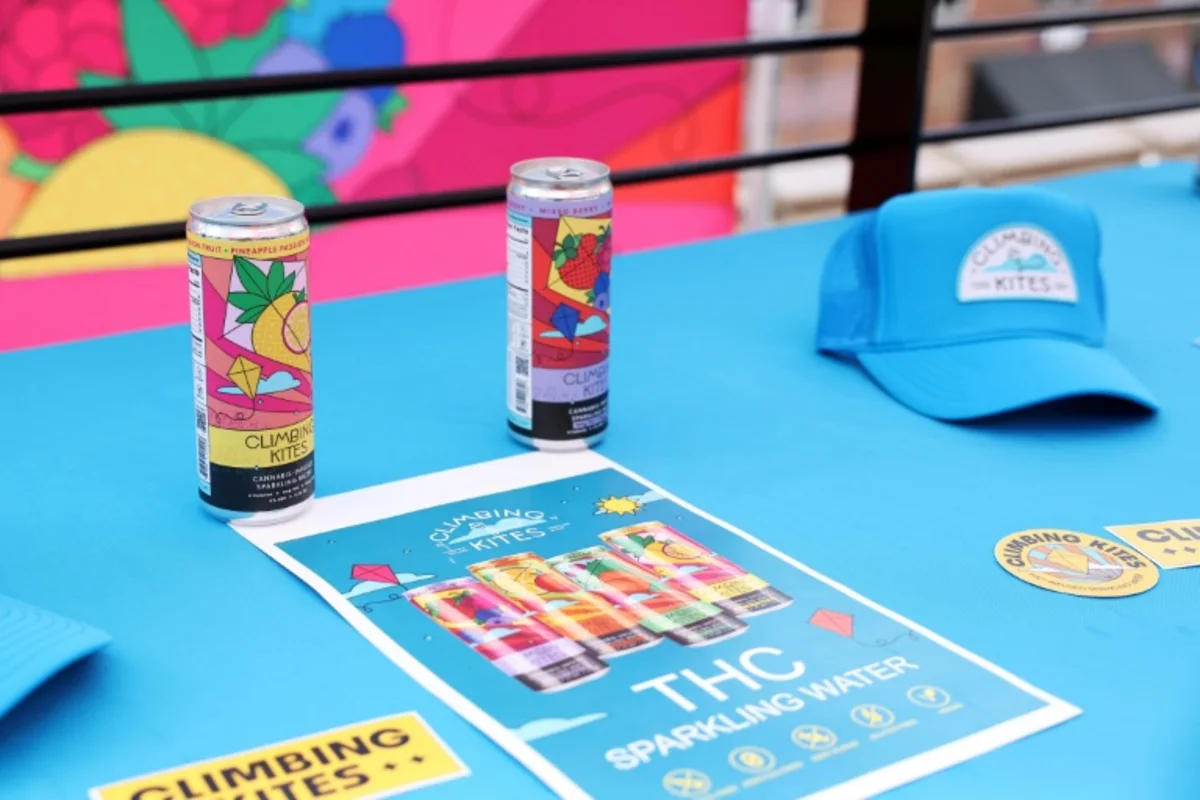
Product trends and vertical moves Companies on the list pursue three concrete product strategies: expand low-cost cultivation to supply retail stores, grow branded edibles and concentrates, and invest in next-generation cannabinoids and formulations. Forbes highlights companies that released new vape cartridges, water-soluble THC/CBD formulations, and CBG/CBN product lines during 2025. Retailers are shifting shelf space toward packaged extracts and pre-rolls, which carry higher margins than commodity flower.
Capital, M&A and public markets Deal activity from mid-2024 through early 2026 appears concentrated among the list members. Forbes documents multiple acquisitions by larger MSOs that targeted regional retail chains and cultivation facilities to capture market share quickly. Public companies on the list used stock and debt to fund acquisitions; several private firms raised growth equity from strategic investors. The list signals continued consolidation: a smaller number of large operators now control a higher share of retail footprints and branded product distribution than five years ago.
Regulatory and tax impacts Forbes emphasizes regulatory constraints that affect listed companies. Federal prohibition continues to limit access to traditional banking and to broader capital markets. Tax code Section 280E remains a material cost: firms cannot deduct ordinary business expenses tied to federal Schedule I cannabis activity, which raises effective tax bills compared with other retail sectors. Companies on the list report investing more in cash handling, compliance staff and state-level licensing than comparable consumer goods firms.
Medical versus adult-use revenue mix The Forbes selections separate firms that depend heavily on medical programs from those driven by adult-use sales. Medical-focused producers concentrate on patient-oriented formulations and are more likely to export to regulated medical markets abroad. Adult-use leaders emphasize retail expansion, product branding and promotional programs that target recreational consumers.
International exposure A subset of the list shows active moves into Canada, Europe and Latin America. Forbes documents cross-border deals where U.S. companies acquired or partnered with licensed producers abroad to access regulated export channels and research partnerships. International moves aim to diversify revenue away from U.S. state-by-state volatility and to capture new markets with clearer federal frameworks.
Operational performance and metrics Forbes highlights companies that improved same-store sales, reduced cultivation costs per pound, or raised gross margins on branded products. Concrete examples include outlets that increased average ticket size by adding higher-margin extracts and retailers that cut per-unit cultivation costs by optimizing indoor-to-greenhouse transitions. The list rewards measurable improvements: year-over-year revenue growth, margin expansion, and successful licensing rollouts.
Investor takeaway Investors reading the forbes cannabis list should note three measurable signals: (1) consolidation concentrates market share among fewer, larger operators; (2) product mix—extracts and branded consumables—drives higher margins than commodity flower; (3) regulatory constraints and federal tax rules continue to raise operating costs and limit capital efficiency. These factors distinguish the stronger revenue performers on the list from smaller, regional players.
What the list implies for 2026 Forbes presents 42 companies that currently lead revenue and expansion in the U.S. legal cannabis market. The list suggests continued M&A, steady prioritization of branded, higher-margin products, and ongoing pressure from federal rules that affect taxes and banking. Companies that cut production costs, secure retail footprints and expand into regulated international markets show the clearest paths to higher reported revenue and market value in the near term.
Method note Forbes compiled the list using public financials, company disclosures and industry reporting. Where private-company data existed, Forbes included available revenue figures and deal history to rank firms by size and market activity. The list does not imply regulatory endorsement; it reports market positions, deal volume and revenue performance as of the publication date.
Bottom line The forbes cannabis list clarifies which companies generated the largest shares of the $30 billion U.S. legal market in 2025–26. Those firms lead through retail reach, product diversification and acquisition of regional competitors, while federal tax and banking restrictions continue to add measurable cost and operational complexity.